
MVP means Minimum Viable Product. It is the smallest useful version of a product that real users can try, judge, and pay for or reject. It is not a sketch. It is not a fancy dream deck. It is a working product with just enough features to test one big idea.
TLDR: An MVP is a simple working product built to learn from real users fast. A prototype is usually a model or mockup used to test design, flow, or interest before building the real thing. For example, a fitness app team might launch an MVP with only workout tracking and basic reminders, then see that 62% of 500 users ignore reminders but love progress charts. That tells the team what to build next, instead of guessing.
What does MVP mean?
MVP stands for Minimum Viable Product.
Let’s break that down.
- Minimum means the fewest features needed.
- Viable means users can actually use it.
- Product means it works in the real world.
An MVP is not about being cheap or lazy. It is about being smart. You build the smallest thing that can answer a serious question.
That question might be:
- Will people use this?
- Will people pay for this?
- Does this solve a real pain?
- Which feature matters most?
It drives me crazy when teams call every rough thing an MVP. A broken app is not an MVP. A login screen with no purpose is not an MVP. A 40 page pitch deck is not an MVP either. An MVP must do something useful.
Small does not mean sloppy. It means focused.

A simple MVP example
Imagine you want to build a meal planning app.
Your dream version has grocery delivery, recipe videos, calorie tracking, family profiles, AI meal suggestions, and a cute avocado mascot named Greg.
Fun. Also huge.
The MVP might only do three things:
- Ask users their food goals.
- Create a simple weekly meal plan.
- Generate a grocery list.
That is enough to test the main idea. Do people want quick meal plans? Do they save the grocery list? Do they come back next week?
If yes, great. Build more. If no, you just saved months of work and many sad meetings.
What is a prototype?
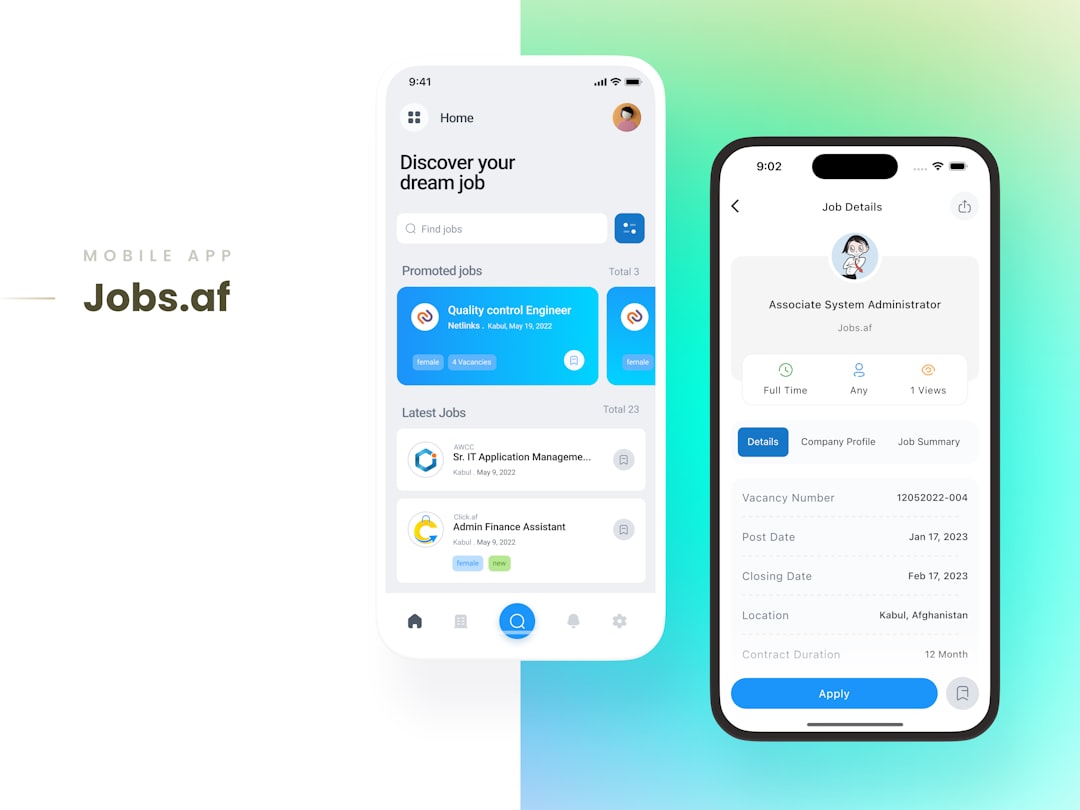
A prototype is a draft version of a product idea. It may look real. It may even click like a real app. But it often does not fully work.
A prototype is used to explore ideas before full development.
It can be:
- A paper sketch.
- A clickable design mockup.
- A simple landing page.
- A fake checkout flow.
- A rough demo made for testing.
A prototype helps answer questions like:
- Can users understand this screen?
- Is the signup flow confusing?
- Does the idea feel useful?
- Where do people get stuck?
Think of a prototype like a movie trailer. It shows the idea. It creates reactions. But it is not the full movie.
MVP vs Prototype: the key difference
The main difference is simple.
A prototype tests the idea.
An MVP tests the product in real use.
A prototype asks, “Does this make sense?”
An MVP asks, “Will people actually use this when it exists?”
| Area | Prototype | MVP |
|---|---|---|
| Purpose | Test design or concept | Test real user behavior |
| Function | May not fully work | Must work enough to use |
| Users | Small test group | Real users or early customers |
| Goal | Learn what to build | Learn what to improve |
| Risk reduced | Design risk | Market and product risk |
Honestly, it feels like many teams skip the prototype because they are excited. Then they spend six weeks building a feature that users abandon in 12 seconds. Painful. Avoidable. Expensive.
When should you build a prototype?
Build a prototype when the idea is still fuzzy.
Use it before you spend serious time on code. It is perfect when you want fast feedback on layout, flow, or wording.
A prototype is smart when:
- You are unsure how the product should look.
- You need to show investors or teammates the idea.
- You want to test the user journey.
- You have several designs and need to choose one.
For example, if users cannot find the “Start trial” button in a prototype, fix that before building the app. Do not make a developer turn caffeine into code for a broken flow.
When should you build an MVP?
Build an MVP when the core idea is clear enough to test with real use.
You are no longer asking, “Could this work?”
You are asking, “Will users use it, keep using it, or pay for it?”
An MVP is smart when:
- You know the main user problem.
- You can build one useful solution.
- You need real data, not opinions.
- You want to test price, demand, or retention.
For example, a booking platform MVP might let users search, book, and pay. That is enough. Reviews, rewards, filters, chat, and custom themes can wait.
What should an MVP include?
A good MVP includes only the core feature set.
Use this simple rule:
If the product cannot solve the main problem without it, include it.
If it only makes the product nicer, cut it for now.
Your MVP should have:
- One clear user problem.
- One main solution.
- A way to measure behavior.
- A feedback channel.
- Basic quality and security.
Do not ship chaos. Users can forgive simple. They rarely forgive confusing, slow, or broken.
Common MVP mistakes
MVPs go wrong in very predictable ways. Sneaky little traps. Here are the big ones.
- Building too much. This turns an MVP into a mini monster.
- Building too little. A useless product teaches nothing.
- Ignoring feedback. Then why launch early at all?
- Measuring vanity numbers. Likes are nice. Retention is better.
- Adding features too soon. More buttons do not equal more value.
The best MVPs feel almost boring. They do one job well. That is the point.

How to choose between MVP and prototype
Ask one simple question.
What do you need to learn next?
If you need to learn whether users understand the idea, build a prototype.
If you need to learn whether users will use the product in real life, build an MVP.
Here is a quick guide:
- Use a prototype to test screens, flows, messages, and concepts.
- Use an MVP to test demand, usage, payment, and repeat behavior.
- Use both if the idea is new, risky, or expensive to build.
A common path looks like this:
- Sketch the idea.
- Create a clickable prototype.
- Test it with 5 to 10 users.
- Fix the biggest confusion points.
- Build the MVP.
- Measure real behavior.
- Improve based on data.
Final takeaway
An MVP is the smallest real product that can teach you something useful. A prototype is a test model that helps you shape the idea before full build.
Use a prototype to avoid building the wrong thing. Use an MVP to learn if the right thing has real demand.
Keep it small. Keep it useful. Keep your ego out of it. The users will tell you what matters, often faster than you expect.