
Proper vehicle maintenance is not simply about keeping your car looking good—it is about preserving safety, performance, and long-term value. While professional servicing remains essential for complex repairs, every vehicle owner benefits from having a small collection of reliable automotive service tools. The right tools allow you to diagnose minor issues early, perform routine maintenance confidently, and avoid unnecessary breakdowns.
TLDR: Maintaining your vehicle effectively requires more than basic hand tools. Four essential automotive service tools—an OBD2 scanner, a torque wrench, a battery charger and tester, and a tire pressure gauge with inflator—help you monitor, diagnose, and maintain your vehicle correctly. These tools improve safety, prevent costly repairs, and extend vehicle lifespan. Investing in quality equipment ensures more accurate results and greater peace of mind.
Below are four critical automotive service tools that significantly improve your ability to maintain your vehicle properly and responsibly.
1. OBD2 Scanner (On-Board Diagnostics Scanner)
Modern vehicles are equipped with onboard computers that constantly monitor engine performance, emissions systems, fuel injection, and dozens of other subsystems. When something goes wrong, the vehicle generates a diagnostic trouble code. An OBD2 scanner allows you to read those codes quickly and accurately.

Why It Matters
Without a scanner, dashboard warning lights—particularly the check engine light—leave you guessing. An OBD2 scanner provides immediate insight, allowing you to determine whether the issue is minor (such as a loose gas cap) or requires urgent professional attention.
Key Benefits:
- Reads and clears diagnostic trouble codes
- Monitors live engine data in real time
- Helps identify fuel efficiency problems
- Reduces unnecessary mechanic visits
Practical Use Case
If your check engine light turns on, an OBD2 scanner can immediately identify whether the issue relates to oxygen sensors, mass airflow sensors, catalytic converters, or misfires. Instead of reacting with uncertainty, you can make an informed decision about the next step.
For vehicle owners who prefer proactive maintenance, higher-end scanners also track performance data such as engine temperature, RPM consistency, and fuel trim levels. This information allows early detection of inefficiencies before they escalate into expensive repairs.
2. Torque Wrench
A torque wrench is one of the most overlooked but critically important automotive service tools. It ensures that nuts and bolts are tightened to the manufacturer’s specified torque settings—not too loose, and not excessively tight.

Why It Matters
Improper bolt tension can lead to severe problems. Under-tightened fasteners may loosen over time, while over-tightened ones can strip threads or even cause structural damage. When dealing with components such as wheel lug nuts, brake calipers, or engine parts, precision is essential.
Common Applications:
- Wheel lug nut tightening
- Spark plug installation
- Engine component assembly
- Suspension work
Types of Torque Wrenches:
- Click-type – Emits a click when the preset torque value is reached.
- Beam-type – Uses a visual scale to display torque level.
- Digital – Provides electronic precision and audible alerts.
For most vehicle owners, a quality click-type torque wrench offers an excellent balance between accuracy and affordability. Using a torque wrench when reinstalling wheels after tire rotation is particularly important, as uneven torque distribution can cause brake rotor warping.
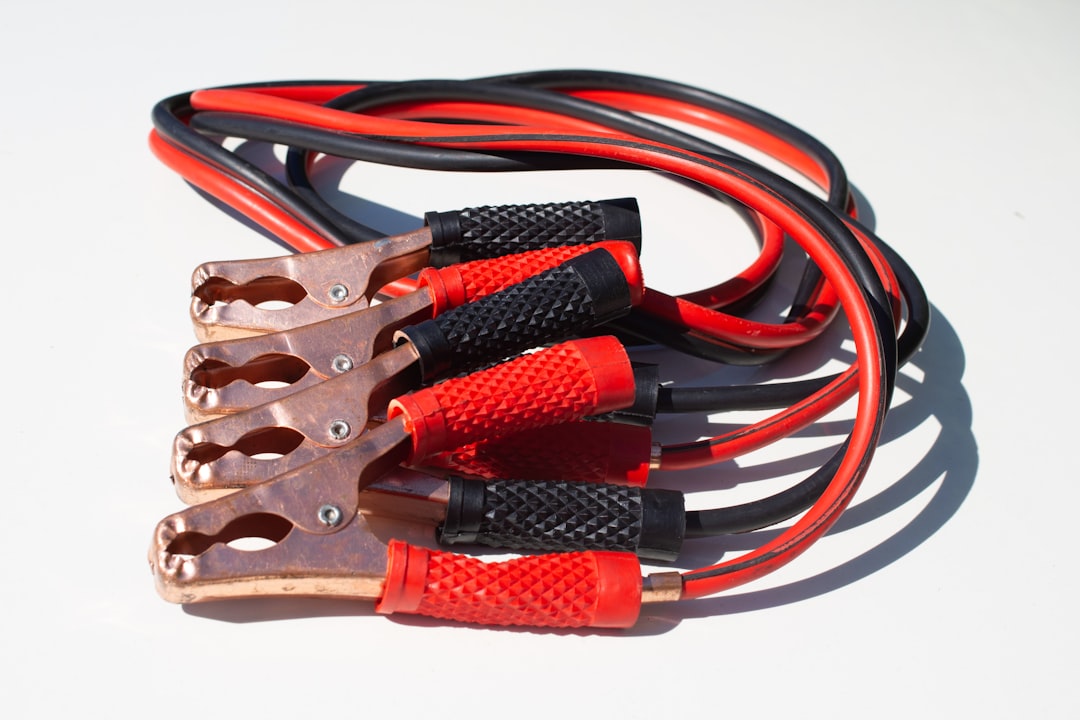
3. Battery Charger and Battery Tester
Battery issues are among the most common causes of vehicle breakdowns. A reliable battery charger and tester eliminates much of the uncertainty surrounding vehicle starting problems.
Why It Matters
A weak battery often shows subtle symptoms before complete failure—slower engine cranking, dim headlights, or electrical hesitation. A battery tester measures voltage and cold cranking amps, while a charger restores depleted power safely and efficiently.
Key Advantages:
- Prevents sudden starting failures
- Extends battery lifespan
- Identifies charging system problems
- Reduces dependency on roadside assistance
Modern smart chargers automatically adjust amperage, prevent overcharging, and include maintenance modes designed for long-term storage. For vehicles that are driven infrequently, maintaining the battery properly can add years to its service life.
Seasonal temperature shifts—especially winter cold—place additional strain on batteries. Having a tester readily available allows you to evaluate battery health before extreme weather conditions expose weaknesses.
4. Tire Pressure Gauge and Portable Inflator
Tires directly influence safety, braking performance, fuel consumption, and handling stability. Yet tire pressure is frequently neglected. A high-quality tire pressure gauge combined with a portable inflator ensures consistent maintenance.
Why It Matters
Incorrect tire pressure causes uneven wear, reduced fuel efficiency, and compromised safety. Underinflated tires overheat, while overinflated ones reduce traction and braking effectiveness.
Advantages of Regular Monitoring:
- Improves fuel efficiency
- Extends tire lifespan
- Enhances vehicle handling
- Reduces risk of blowouts
Digital tire pressure gauges provide precise readings compared to older stick-style gauges. Portable inflators, especially compact 12V models, allow immediate adjustments without requiring a trip to a service station.
Maintaining the manufacturer-recommended tire pressure—typically listed inside the driver’s door frame—should be part of a monthly routine inspection.
Comparison Chart of Essential Automotive Service Tools
| Tool | Primary Purpose | Skill Level Required | Cost Range | Maintenance Impact |
|---|---|---|---|---|
| OBD2 Scanner | Diagnoses engine and system faults | Beginner to Intermediate | Low to Moderate | Early detection of mechanical issues |
| Torque Wrench | Ensures correct fastener tightness | Intermediate | Moderate | Prevents component damage and safety issues |
| Battery Charger and Tester | Tests and maintains battery health | Beginner | Low to Moderate | Prevents breakdowns and starting failures |
| Tire Pressure Gauge and Inflator | Monitors and corrects tire pressure | Beginner | Low | Improves safety and fuel efficiency |
Why Investing in Quality Matters
Automotive tools are long-term investments. Lower-priced tools may appear attractive initially, but accuracy, durability, and safety should remain the priority. Poorly calibrated torque wrenches or unreliable scanners can produce misleading results that compromise maintenance quality.
When evaluating tools, consider:
- Build quality and materials
- Manufacturer reputation
- Calibration certifications (for precision tools)
- Warranty coverage
Inaccurate torque readings or unreliable battery test outputs can cause more harm than benefit. A serious approach to vehicle maintenance requires dependable equipment.
Final Thoughts
Responsible vehicle ownership demands attentiveness, consistency, and the right equipment. An OBD2 scanner equips you with diagnostic insight. A torque wrench ensures mechanical precision. A battery charger and tester prevent sudden failures. A tire pressure gauge and inflator safeguard both safety and efficiency.
Together, these four automotive service tools create a solid foundation for proactive vehicle maintenance. While they do not replace professional service for complex repairs, they significantly reduce uncertainty and empower vehicle owners to respond quickly and accurately to routine maintenance needs.
Maintaining your vehicle properly is ultimately about control—understanding its condition, addressing problems early, and preserving performance. With these tools in your garage, you are far better prepared to protect your investment and ensure dependable transportation for years to come.