
Modern agriculture is undergoing a powerful transformation driven by digital innovation. Farmers are no longer relying solely on traditional experience and manual observation; instead, they are integrating intelligent mobile applications that streamline operations, reduce waste, and maximize yield. From soil monitoring to livestock tracking, agriculture apps powered by smart technology are reshaping how farms operate in the 21st century. These tools make data-driven decisions accessible to farms of all sizes, helping producers work smarter rather than harder.
TLDR: Agriculture apps powered by smart technology are helping farmers increase efficiency, reduce costs, and boost crop and livestock productivity. Tools for precision farming, weather tracking, farm management, and livestock monitoring deliver real-time insights through smartphones and connected devices. These platforms use data analytics, AI, GPS, and IoT sensors to optimize decision-making. As digital adoption grows, smart agriculture apps are becoming essential tools for modern farming success.
The Rise of Smart Farming Technology
Smart farming merges Internet of Things (IoT) devices, artificial intelligence, satellite imagery, and cloud-based software to create a fully connected agricultural ecosystem. Apps serve as the central hub where farmers can monitor data, analyze patterns, and execute informed decisions from anywhere.

These applications collect data from multiple sources, including:
- Soil sensors measuring moisture, temperature, and nutrient levels
- Weather stations providing hyperlocal forecasts
- Drones capturing crop health imagery
- GPS-enabled equipment tracking machinery usage
- Livestock wearables monitoring animal health
The integration of these systems allows farmers to respond proactively instead of reactively. For example, instead of watering entire fields uniformly, they can deploy precision irrigation only where needed.
Key Types of Agriculture Apps Boosting Productivity
1. Precision Farming Apps
Precision agriculture apps use satellite data, AI-based analytics, and soil sensors to guide planting, fertilization, and harvesting. These platforms reduce input waste and increase crop output.
Core features often include:
- Variable rate application mapping
- Field health visualization
- Yield prediction analytics
- Remote sensing integration
By applying fertilizers and pesticides only where necessary, farmers cut costs while minimizing environmental impact.
2. Farm Management Software
Farm management apps function as digital control centers for operations. They assist with recordkeeping, budgeting, labor management, and compliance documentation.
These apps improve productivity by:
- Automating financial tracking
- Scheduling planting and harvest activities
- Monitoring machinery maintenance
- Storing regulatory compliance records
With everything centralized in one platform, manual paperwork and redundant tasks are significantly reduced.
3. Weather and Climate Monitoring Apps
Unpredictable weather remains one of agriculture’s greatest challenges. Advanced weather apps provide hyperlocal forecasts, rainfall predictions, frost alerts, and storm warnings.
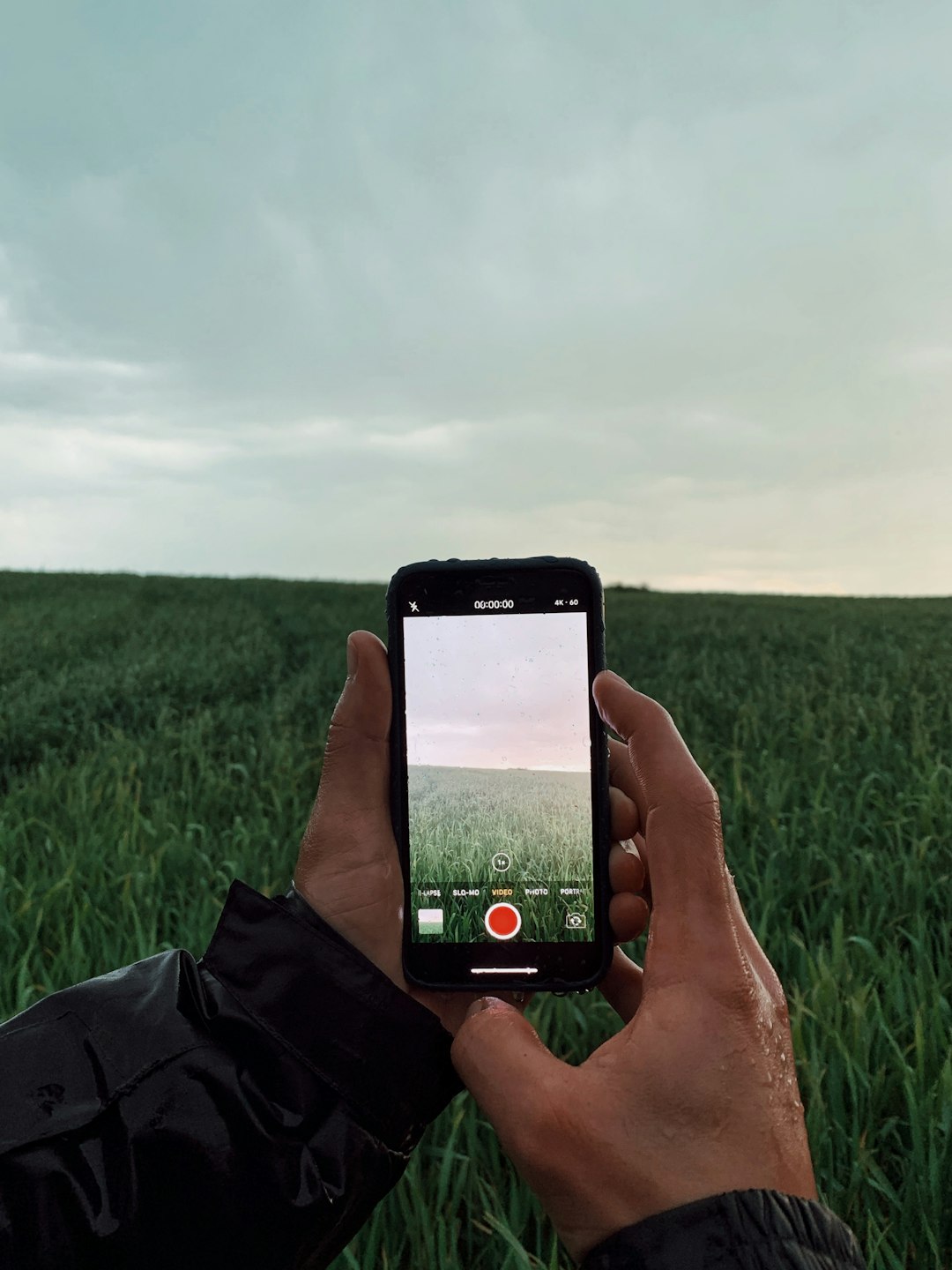
Access to accurate climate insights enables farmers to:
- Adjust irrigation schedules
- Delay pesticide spraying before rainfall
- Protect crops from frost damage
- Optimize planting timelines
Real-time alerts dramatically reduce weather-related losses.
4. Livestock Monitoring Apps
Livestock apps use wearable sensors, RFID tracking, and mobile dashboards to oversee animal health and behavior. Farmers receive notifications if animals show unusual activity, illness symptoms, or reduced feeding patterns.
Benefits include:
- Early disease detection
- Breeding cycle monitoring
- Automated feeding management
- Reduced mortality rates
Healthy livestock directly correlates with higher dairy yields, improved weight gain, and stronger reproduction rates.
5. Supply Chain and Marketplace Apps
Some agriculture apps focus on connecting farmers directly to buyers. These digital marketplaces eliminate intermediaries, provide price transparency, and improve revenue margins.
Farmers can:
- Track commodity prices in real time
- Connect with wholesalers and retailers
- Schedule logistics and delivery
- Access digital payment systems
This improves overall financial productivity and market competitiveness.
Comparison of Leading Agriculture App Categories
| App Category | Main Function | Core Technology | Primary Productivity Benefit |
|---|---|---|---|
| Precision Farming | Crop health and field optimization | AI analytics, satellite imaging, IoT sensors | Higher yields with reduced input waste |
| Farm Management | Operational planning and records | Cloud software, automation tools | Improved efficiency and cost control |
| Weather Monitoring | Climate forecasting and alerts | Hyperlocal weather data, AI prediction | Reduced weather-related losses |
| Livestock Monitoring | Animal health tracking | Wearables, RFID, health analytics | Lower mortality and higher productivity |
| Marketplace Apps | Direct selling and pricing insight | Digital trading platforms, mobile payments | Increased profit margins |
How Smart Features Drive Measurable Gains
Technology alone does not increase productivity; actionable insights do. Agriculture apps translate raw data into understandable recommendations.
Examples of measurable gains include:
- Up to 20% water savings with precision irrigation tools
- Reduced fertilizer usage through variable rate mapping
- Labor cost optimization via automated scheduling
- Early disease detection lowering livestock losses
- Higher market prices through real-time commodity tracking
By identifying inefficiencies, these applications turn guesswork into evidence-based strategy.
Integration with Drones and Smart Equipment
A major advancement in agriculture apps is their compatibility with drones and autonomous machinery. Farmers can deploy drones to scan large fields and instantly upload high-resolution imagery into management apps.
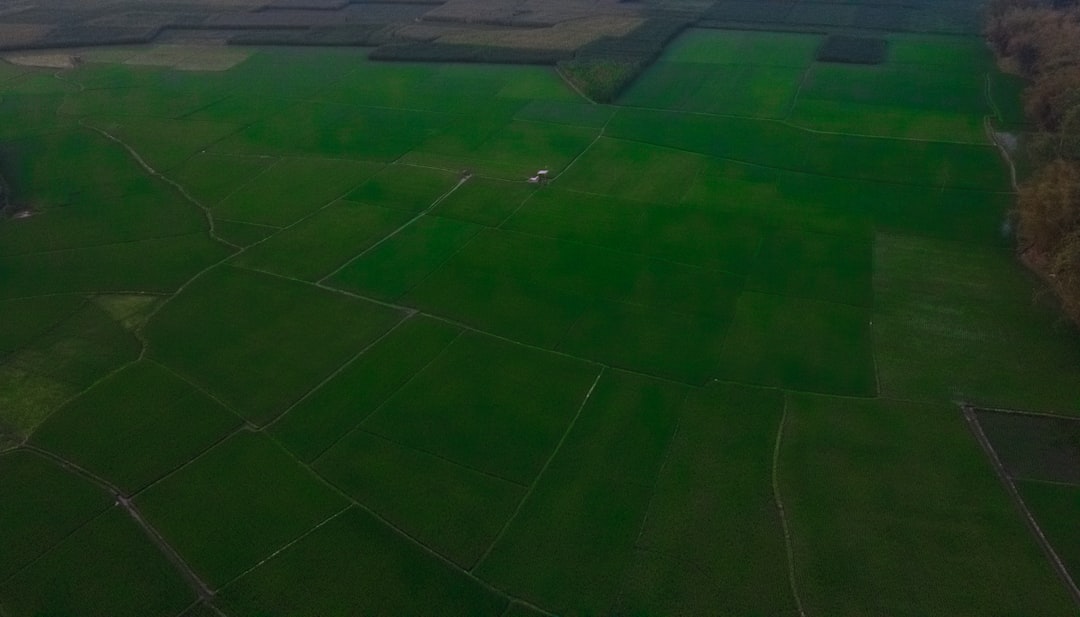
Autonomous tractors and GPS-guided harvesters further extend this integration. Apps track machinery routes, optimize fuel consumption, and reduce overlap during fieldwork. The result is lower operational waste and higher overall productivity.
Data Security and Cloud Accessibility
Cloud connectivity ensures farmers can access their data anytime, anywhere. Whether in the field or at a supplier meeting, real-time dashboards provide constant visibility.
However, digital transformation also requires robust cybersecurity protocols. Modern agriculture apps increasingly offer:
- Encrypted data storage
- Secure user authentication
- Automated data backups
- Role-based access control
This safeguards sensitive farm information while maintaining seamless accessibility.
Adoption Challenges and Solutions
While smart agriculture apps offer undeniable benefits, adoption may face challenges such as limited connectivity in rural areas, upfront investment costs, and digital literacy barriers.
Solutions include:
- Offline functionality with automatic syncing
- Government and institutional subsidies for agri-tech adoption
- Farmer training programs and workshops
- Scalable subscription models for small farms
As infrastructure improves and user-friendly interfaces evolve, barriers to entry continue to diminish.
The Future of Agriculture Apps
The next generation of agriculture apps is expected to incorporate even more advanced technologies, including:
- Predictive AI modeling for long-term crop planning
- Blockchain traceability for supply chain transparency
- Carbon tracking tools for sustainable farming metrics
- Robotics integration for automated harvesting
Sustainability and efficiency will remain central themes. With climate change and global food demand increasing, smart agricultural technology will play a crucial role in feeding future populations.
Conclusion
Agriculture apps powered by smart technology are no longer optional conveniences; they are becoming foundational tools in modern farming. By leveraging AI, IoT sensors, weather forecasting systems, and digital marketplaces, these applications transform day-to-day operations into highly optimized, data-driven processes. The result is improved productivity, lower resource waste, stronger financial performance, and greater resilience against environmental challenges. As digital infrastructure expands globally, agriculture apps will continue to shape the future of farming.
Frequently Asked Questions (FAQ)
-
1. Are agriculture apps suitable for small farms?
Yes. Many apps offer scalable subscription plans and simplified interfaces designed specifically for small and mid-sized farms. Even basic features like weather alerts and farm recordkeeping can significantly improve efficiency. -
2. Do agriculture apps require internet connectivity?
Most apps function best with internet access, but many provide offline capabilities with automatic synchronization once connectivity is restored. -
3. How secure is farm data stored in cloud-based apps?
Reputable platforms use encrypted storage, multi-factor authentication, and secure servers to protect sensitive agricultural data. -
4. Can agriculture apps integrate with existing farm equipment?
Yes. Many solutions are compatible with GPS-enabled tractors, IoT sensors, drones, and automated irrigation systems. -
5. What is the biggest productivity advantage of using smart agriculture apps?
The greatest advantage is data-driven decision-making. Farmers can optimize inputs, reduce waste, respond quickly to risks, and ultimately increase overall yield and profitability. -
6. Are agriculture apps expensive to implement?
Costs vary widely. Some basic apps are affordable or subscription-based, while more advanced systems involving sensors and drones may require larger investments. However, long-term productivity gains often outweigh the initial expense.