
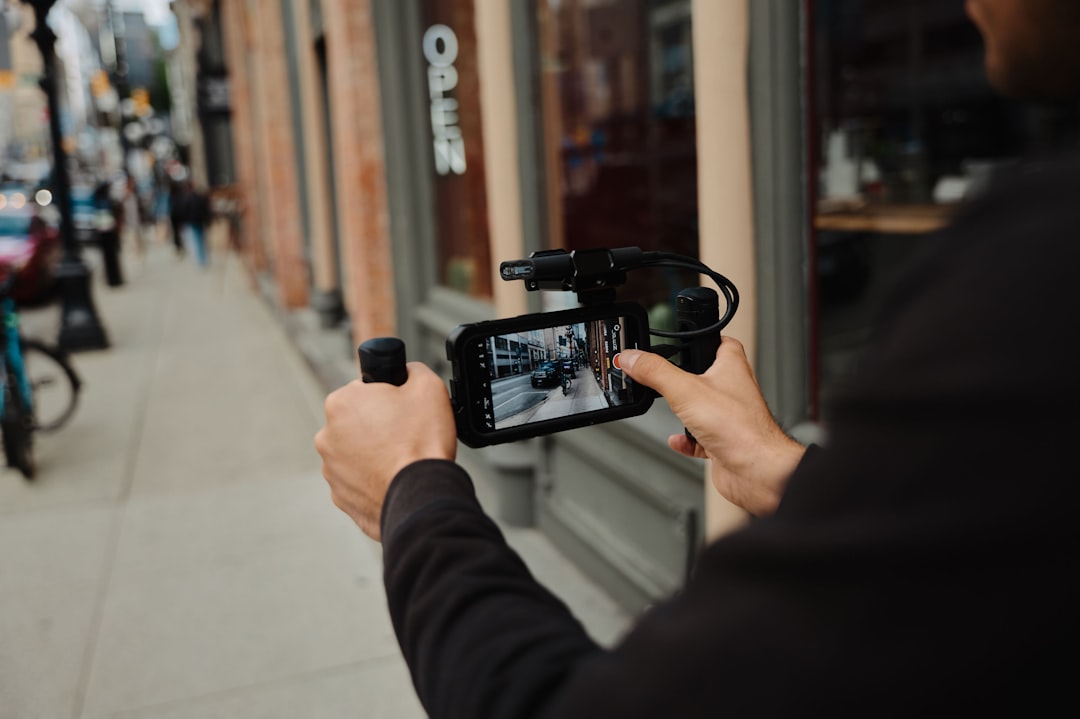
Whether you’re a budding content creator, a seasoned streamer, or just someone who enjoys sharing gameplay and tutorials online, a capture card is an essential tool in your arsenal. Two of the biggest names in this space are AVerMedia and Elgato, both offering a range of products tailored for different users and workflows. Selecting between the two can be challenging as they both have distinct strengths and features. Let’s break down what they offer and help you make an informed decision.
TL;DR:
Both AVerMedia and Elgato produce high-quality capture cards and accessories, but they serve slightly different audiences. Choose Elgato if you’re looking for seamless software integration, ease of use, and a large ecosystem of streaming tools. Choose AVerMedia if you prioritize affordability, powerful hardware encoding, and versatility in connectivity. Ultimately, your decision should be based on your personal workflow, technical needs, and budget.
Understanding the Basics
Capture cards are devices that allow users to record and stream content from consoles, cameras, or other HDMI sources to a computer. This is particularly important for gamers, educators, and content creators aiming to achieve high-quality recordings with minimal latency.
Over the years, AVerMedia and Elgato have become household names in the streaming and content creation community. While they offer similar products, differences in design, software, and pricing help set them apart.
1. Hardware and Build Quality
Both AVerMedia and Elgato are known for their solid hardware, but their design philosophies differ slightly.
- Elgato: Renowned for sleek, minimalist designs and high build quality. Their products, such as the Elgato HD60 X and 4K60 Pro MK.2, are compact and feel premium, making them ideal for desk setups.
- AVerMedia: Offers a wider variety in form factor—ranging from portable options like the Live Gamer Portable 2 Plus to larger, feature-packed internal cards. They also experiment more with RGB aesthetics and visual flair.
In terms of ports, AVerMedia tends to offer more connectivity options including 3.5mm audio jacks and SD card slots in some models—features you won’t commonly find on Elgato devices.

2. Video Quality and Performance
Both brands deliver excellent video capture performance, but there are subtle differences worth considering:
- Elgato: Known for high-quality pass-through—60fps at 4K resolutions is standard on their premium models. Recording in HDR10 is also possible with models like the 4K60 Pro.
- AVerMedia: Matches Elgato in high-end specs, offering 4K HDR60 support in cards like the Live Gamer 4K. However, AVerMedia pulls ahead in hardware-based encoding.
Hardware encoding can be essential for creators with lower-end PCs. AVerMedia cards like the Live Gamer Portable 2 Plus can record gameplay standalone without the need for a PC, something Elgato doesn’t currently support.
3. Software Ecosystem
This is where Elgato begins to shine. Their Stream Deck, Camera Hub, and Elgato Control Center create a tightly integrated ecosystem that works flawlessly with OBS, Streamlabs, and even Apple devices.
Elgato Software Strengths:
- Game Capture HD software: Intuitive and great for beginners.
- Stream Deck integration: Automate tasks, launch apps, and control streaming with a single touch.
- Multi-platform support: Compatible with both macOS and Windows.
Where AVerMedia Competes:
- RECentral streaming software: Feature-rich, albeit with a steeper learning curve.
- CamEngine and SoundEngine: Useful tools for webcam tweaking and audio enhancement.
- Multi-card support: Often more robust than Elgato when it comes to handling multiple sources at once.
Though AVerMedia provides flexibility, Elgato’s software can’t be beat in terms of usability and ecosystem synergy.

4. Compatibility and Connectivity
When it comes to connectivity, Elgato has largely focused on USB and internal PCIe models that guarantee seamless operation across devices. AVerMedia, on the other hand, is more experimental and includes HDMI loop-outs, SD card slots, and even options for standalone recording.
Elgato:
- Works perfectly with platforms like Twitch, YouTube, and Facebook Live.
- Better macOS support than AVerMedia.
- USB 3.0 or PCIe connections, straightforward plug-and-play design.
AVerMedia:
- Supports a larger range of input signals including variable refresh rates and older devices.
- Standalone recording models ideal for console gamers who don’t want to use a PC.
- Some models support dual-PC setups natively.
5. Price and Value
Price is where AVerMedia often takes the lead. Their capture cards typically offer more bang for your buck, with models like the Live Gamer Mini giving budget-conscious users access to Full HD recording at a lower cost than comparable Elgato models.
Elgato Pricing:
- Generally higher due to brand value and ecosystem integration.
- High-end models can range up to $250 or more.
AVerMedia Pricing:
- More mid-range offerings that pack impressive specs.
- Portable and beginner options at lower price points.
If budget is a key consideration and you don’t require Elgato’s ecosystem, AVerMedia may offer better value overall.
6. Ease of Use and Setup
Elgato has always aimed for simplicity. Their devices are usually plug-and-play with minimal configuration required. The software walks users through installation and streaming setup painlessly.
AVerMedia’s offerings sometimes take more initial setup, particularly when configuring advanced features like multi-source input or hardware encoding. However, for tech-savvy users, this translates into greater flexibility and power.
Who Should Choose Elgato?
Elgato is the top pick if:
- You value a streamlined user experience and tight software integration.
- You’re already part of Elgato’s ecosystem (e.g. using a Stream Deck, Facecam, or Key Light).
- You want plug-and-play compatibility with macOS or plan to edit on a Mac.
- You prioritize brand support and frequent software updates.
Who Should Choose AVerMedia?
AVerMedia is ideal if:
- You want flexibility in connection options and standalone recording.
- You are budget-conscious but still want high-quality capture up to 4K.
- You need support for dual-PC or console-based setups.
- You crave robust hardware encoding for lower CPU load.
Final Verdict
The decision between AVerMedia and Elgato ultimately boils down to your specific needs as a content creator. If you want an intuitive, efficient, and cohesive streaming platform with tight software and hardware integration, Elgato is likely the better fit. However, if you prefer flexibility, affordability, and a wide range of input options with strong standalone performance, AVerMedia offers excellent value.
Regardless of which brand you choose, both companies deliver dependable and high-performing capture solutions fit for beginners and professionals alike. Take stock of your current setup, future goals, and whether you prioritize ease-of-use or customization, and you’ll make the choice that’s right for you.