

DTF printing is the new star in the custom apparel world. If you’re dreaming of vibrant designs on T-shirts, hoodies, or tote bags, DTF might be your new best friend. It’s fun, flexible, and you don’t need to be a printing pro to get started.
TL;DR – Beginner’s Guide to DTF Printing Supplies
DTF printing lets you take your designs from computer to clothing with ease. To start, you’ll need five key things: a DTF printer, special film, hot-melt powder, quality ink, and a heat press. With the right tools, you’re ready to make awesome prints at home or in your new print shop. This guide breaks it all down with simple tips and must-know gear!
What is DTF Printing Anyway?
DTF stands for Direct-To-Film. It’s a way of printing your design onto special film, adding powder, and then pressing it onto fabric with heat. Unlike other printing methods, DTF works on all kinds of materials—cotton, polyester, blends, even nylon.
Think of it like printing a cool sticker and heating it right onto your shirt. No cutting. No weeding. No mess!
Why People Love DTF
- Easy to use: Just print, powder, cure, and press.
- Durable: The prints last wash after wash.
- Colorful: It handles detailed and vivid designs like a champ.
- Flexible: Print on just one piece or a full batch of shirts.
With DTF, small businesses, hobbyists, and creatives all have a powerful tool for making custom gear—without a massive upfront investment.
Your DTF Starter Pack: The Essentials
Ready to jump in? Here’s what you’ll need to get rolling:
1. A DTF-Compatible Printer
This is the heart of your setup. You can choose between two printer types:
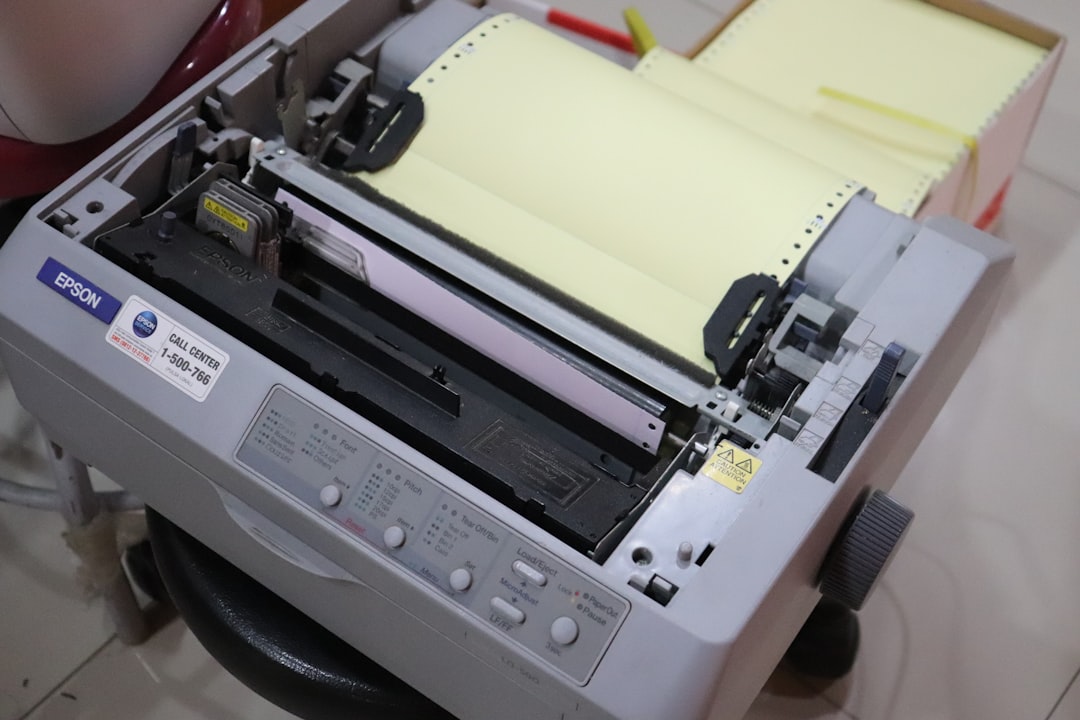
- Converted Inkjet Printers: These are Epson printers that people modify for DTF use. Cheaper, but needs a little DIY.
- Dedicated DTF Printers: Made for the job. More expensive, but often faster and more reliable.
Either way, make sure it supports CMYK+White inks. That white layer is key for printing on dark shirts.
2. DTF Film Sheets (or Rolls)
This is where your design gets printed. Special transparent films with a coated side hold the ink and powder. Always print on the coated side—your printer instructions will help you figure out which side that is.
You’ll find both sheets (for small batches) and rolls (for bulk printing or larger jobs).
3. DTF Ink
Not just any ink will do. You need ink made for DTF printing. These include:
- CMYK Inks: For colors.
- White Ink: Thick and bright, this ink goes down first to make colors pop on any fabric color.
Buy from a good supplier and shake your white ink bottle regularly—it settles fast!
4. Hot-Melt Adhesive Powder
This powder is like glue—it makes the design stick to your fabric. Right after printing, the powder gets sprinkled over the wet ink on the film. It clings to the ink, not the empty spaces.
You’ll then cure (or “bake”) it so it melts just right.
5. Heat Press
This is your final step. The heat press transfers your artwork from film to your shirt. Look for a machine with even heat and pressure.
It should hit around 300-320°F (150-160°C) and press for 10-20 seconds, depending on your materials and film.
Optional But Helpful Extras
These tools make life easier but aren’t required on day one:
- Curing Oven or Heat Gun: For melting the powder before pressing. You can even use a heat press for this step by hovering just above.
- Silicone Sheet or Teflon Sheet: To protect prints during pressing.
- Lint Roller: Helps remove dust from garments before pressing. A must for clean results!
- Humidity Control: Keep your workspace at stable humidity to protect film and ink.
How the Process Works (Step-by-Step)
Let’s put it all together! Here’s the full DTF journey:
- Design: Create your art on a computer. Use full CMYK colors. Mirror the image before printing!
- Print: Print the image onto the film—color first, then white ink over it.
- Powder: While the ink’s still wet, shake hot-melt powder over it. Tap gently to remove excess.
- Cure: Melt the powder using a curing oven, a heat press in “hover mode,” or a heat gun.
- Press: Align your transfer on the fabric, then press it using firm pressure and correct temperature.
- Peel: Let it cool (usually “cold peel”) then peel back the film—your print is ready!
Common Missteps (So You Can Avoid Them!)
Learning DTF is a journey. Here are a few slip-ups newbies often make:
- Using the wrong ink: Regular ink just won’t work. Always use DTF-certified inks.
- Skipping the white layer: It’s tempting to skip, but your prints won’t pop!
- Not curing properly: If powder isn’t melted right, it won’t stick to fabric well.
- Peeling too early: Patience matters. Let the transfer cool completely before peeling.
Cost Breakdown
Wondering how much to budget? Here’s a ballpark estimate to get you going:
- Converted Inkjet Printer: $300 – $700
- DTF Film Sheets: $15 – $40 (per 100 sheets)
- DTF Inks: $100 – $200 for a full CMYK+White set
- Powder: $20 – $40 per kg
- Heat Press: $150 – $500
This isn’t the cheapest hobby, but far less than screen printing or DTG to start. Plus, selling a few printed tees can quickly make your money back.
Tips for Better Printing
Want pro-quality prints even as a beginner? Try these tips:
- Keep white ink moving: It settles fast in tubes and bottles. Shake or stir daily!
- Print a nozzle check: Do this each day to spot clogs in your printer early.
- Use high-res designs: Avoid pixelated images (go for 300 dpi).
- Work in a clean space: Dust on fabric = ugly results. Wipe things down often.
Conclusion: You’re Ready! 🎉
DTF printing is one of the most exciting ways to get into the garment business. Whether you’re starting a side gig or just want to make cool shirts for your friends, the right supplies make all the difference.
Now that you’ve got the basic knowledge, go grab your gear, get printing, and blow minds with your creations!
Happy pressing!