
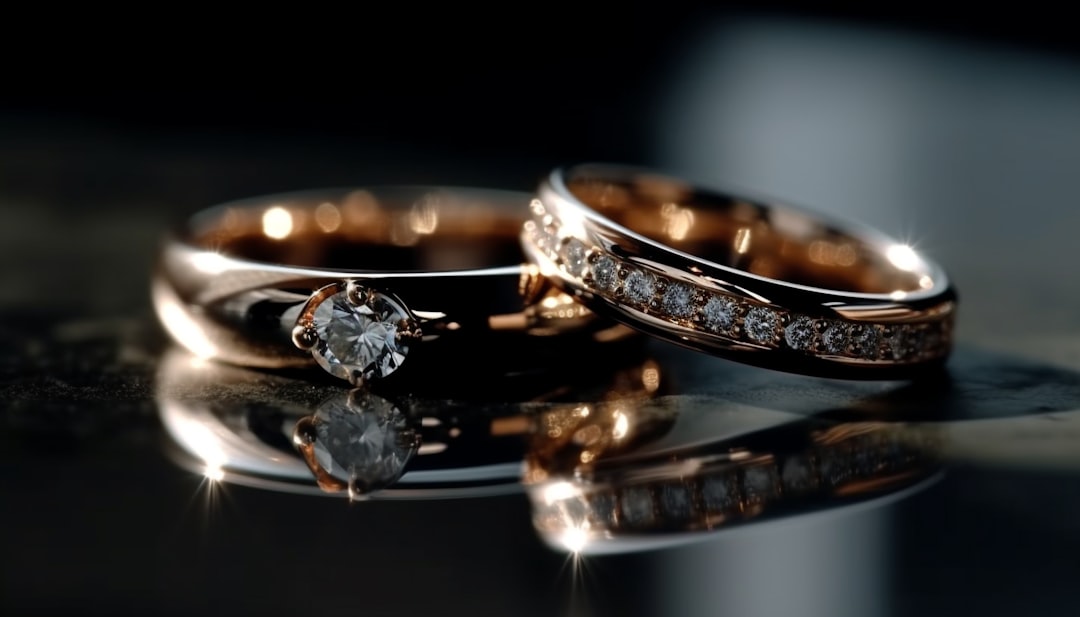
Choosing an engagement ring has always been about more than sparkle—it is a personal decision tied to values, budget, future plans, and emotions. In recent years, lab-grown diamonds have moved from niche curiosity to mainstream choice, offering couples a modern alternative to traditionally mined stones. Understanding what lab-grown diamonds really are, how they compare, and how to buy them wisely can help you make a confident and meaningful purchase.
TLDR; Lab-grown diamonds are real diamonds with the same physical and optical properties as mined ones, but they typically cost less and raise fewer ethical concerns. They offer excellent value, customization options, and transparency when purchased from reputable sellers. Buyers should focus on certification, cut quality, and long-term considerations like resale and maintenance. Choosing lab-grown can be a smart, ethical, and stylish engagement ring strategy.
What Are Lab-Grown Diamonds and Why Are They Gaining Popularity?
Lab-grown diamonds, sometimes called cultured or man-made diamonds, are created in controlled environments that replicate the natural conditions under which diamonds form deep within the Earth. Using advanced methods such as High Pressure High Temperature (HPHT) and Chemical Vapor Deposition (CVD), these diamonds develop the same crystal structure, hardness, and brilliance as mined diamonds.
Unlike diamond simulants like cubic zirconia or moissanite, lab-grown diamonds are not imitations. They are chemically and optically identical to natural diamonds and can only be distinguished using specialized equipment. Their growing popularity is driven by affordability, ethical transparency, and increased consumer awareness.
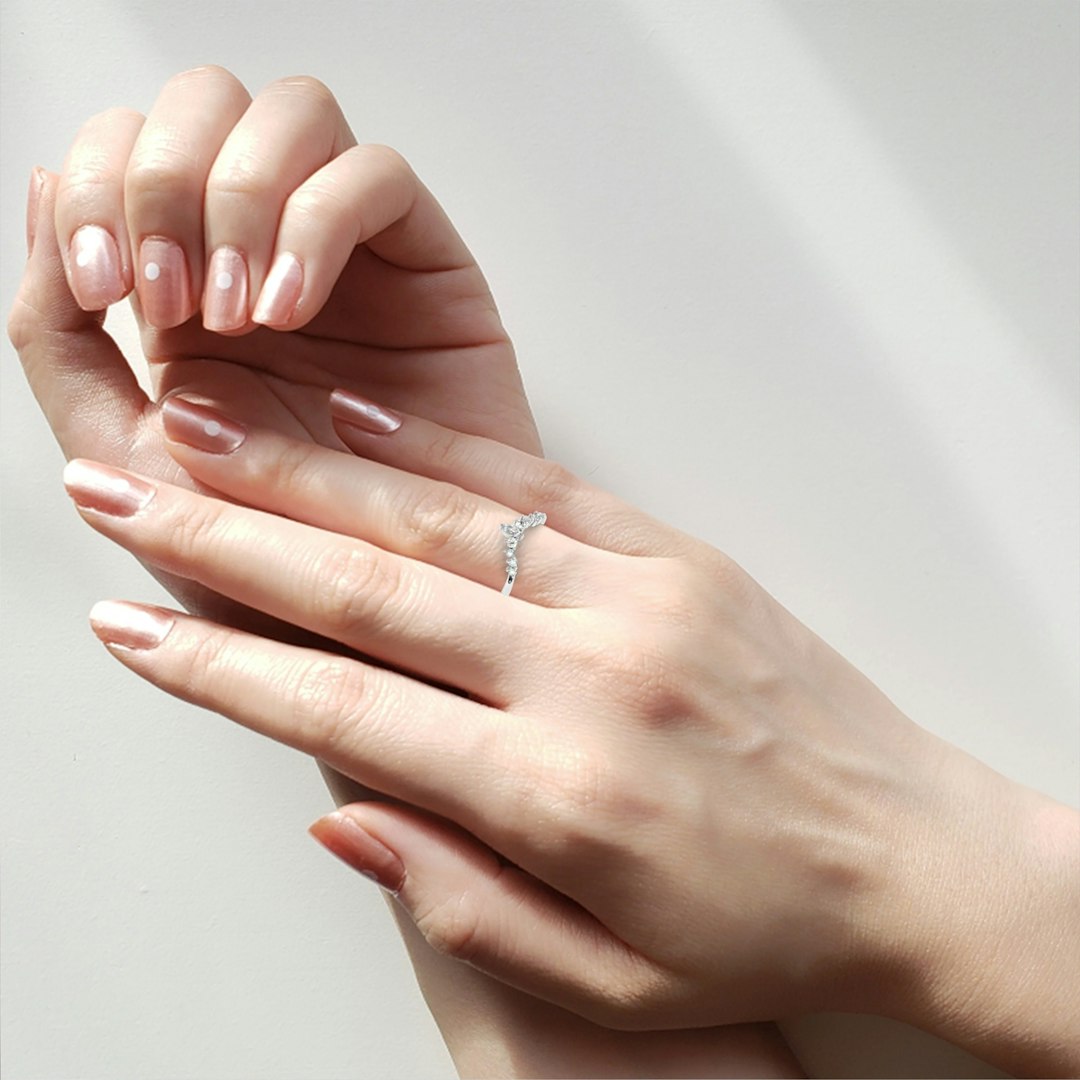
Smart Engagement Ring Strategies Using Lab-Grown Diamonds
One of the most appealing aspects of lab-grown diamonds is the strategic flexibility they offer. Because these stones typically cost 30–50% less than comparable mined diamonds, couples can reallocate their budget in smarter ways.
- Bigger center stone: Many buyers choose a larger carat size for stronger visual impact without exceeding their budget.
- Higher quality cut: Prioritizing cut improves brilliance and sparkle more than any other factor.
- Custom design: Savings from the diamond itself can go toward a unique, personalized ring setting.
- Future planning: Some couples invest savings into the wedding, honeymoon, or home.
Lab-grown diamonds also fit well with modern preferences for innovation and transparency, making them especially appealing to younger buyers who value both aesthetics and practicality.
Ethical Considerations: A Clearer Conscience
Ethics play a major role in the shift toward lab-grown diamonds. Traditional diamond mining has long been associated with environmental disruption, questionable labor practices, and conflict financing in certain regions. While responsible mining initiatives exist, full transparency across the supply chain remains difficult.
Lab-grown diamonds offer a more traceable origin. Because they are produced in regulated facilities, buyers can feel more confident about working conditions and sourcing. Many producers also prioritize renewable energy and reduced water usage, contributing to a smaller environmental footprint compared to mining.
For couples who want their engagement ring to symbolize not only love but also responsibility, lab-grown diamonds align naturally with ethical values.
Understanding Certification and Quality Standards
Just like mined diamonds, lab-grown stones should be evaluated using the 4Cs: cut, color, clarity, and carat weight. Reputable lab-grown diamonds are graded by the same independent organizations, such as the Gemological Institute of America (GIA) and the International Gemological Institute (IGI).
When reviewing a certificate, pay close attention to:
- Cut grade: The most important factor affecting sparkle.
- Color range: Many buyers find near-colorless grades offer excellent value.
- Clarity: Look for eye-clean stones rather than chasing perfection.
- Growth method: HPHT or CVD should be clearly stated.
Certification ensures transparency and protects you from misleading claims, especially when shopping online.
Buyer Tips: How to Shop Smarter for Lab-Grown Diamonds
Buying an engagement ring is a significant purchase, and lab-grown diamonds require the same careful evaluation as mined ones. Start by choosing a trusted retailer with clear policies on certification, returns, and warranties.
Here are practical tips to keep in mind:
- Compare visually, not just on paper: Two diamonds with similar grades can look very different.
- Ask about post-growth treatments: Some lab diamonds receive enhancements that should be disclosed.
- Review return and upgrade policies: Flexibility adds long-term peace of mind.
- Avoid vague terms: Ensure “lab-grown” is clearly specified, not just “synthetic” or “eco.”
Online retailers often provide excellent value and selection, but always verify that high-quality images, videos, and grading reports are available.
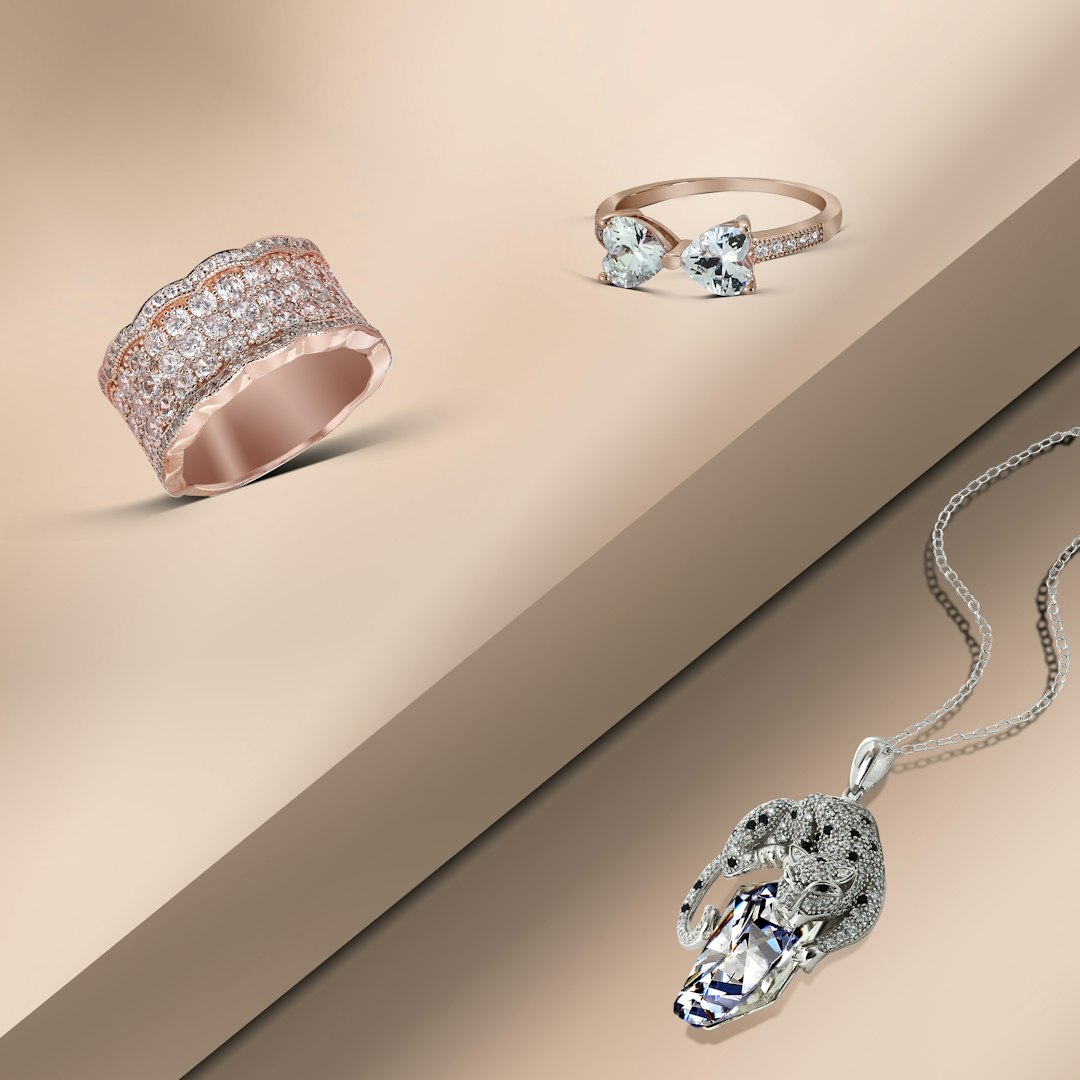
Resale Value and Long-Term Perspective
One common concern about lab-grown diamonds is resale value. Because production technology continues to improve, the resale market is currently less developed than for mined diamonds. However, it is important to remember that most engagement rings are not purchased as financial investments.
From a long-term perspective, lab-grown diamonds offer strong emotional and practical value. Their durability is the same as mined diamonds, requiring no special care beyond standard cleaning and maintenance. Insurance coverage is also widely available, often at lower premiums due to reduced replacement cost.
Couples increasingly prioritize the story behind the ring over hypothetical resale, focusing on meaning, ethics, and shared values.
Customization and Design Freedom
Lab-grown diamonds have expanded creative possibilities in ring design. With greater affordability and accessibility, buyers can explore unique shapes, intricate settings, and matching accent stones without compromise.
Popular customization trends include:
- Unusual diamond shapes: Elongated cuts like oval, pear, and emerald.
- Mixed metals: Combining yellow gold, white gold, or platinum.
- Hidden details: Engravings or surprise stones inside the band.
This design freedom allows couples to create rings that feel truly personal rather than traditional or expected.
Making a Confident, Modern Choice
Choosing a lab-grown diamond engagement ring is ultimately about aligning your purchase with your priorities. It blends science and romance, offering beauty, authenticity, and ethical clarity without unnecessary financial strain.
By understanding the technology, evaluating quality carefully, and working with reputable sellers, you can approach the buying process with confidence. Whether your motivation is sustainability, value, or customization, lab-grown diamonds represent a thoughtful and forward-looking choice—one that reflects not just where jewelry has been, but where it is going.