
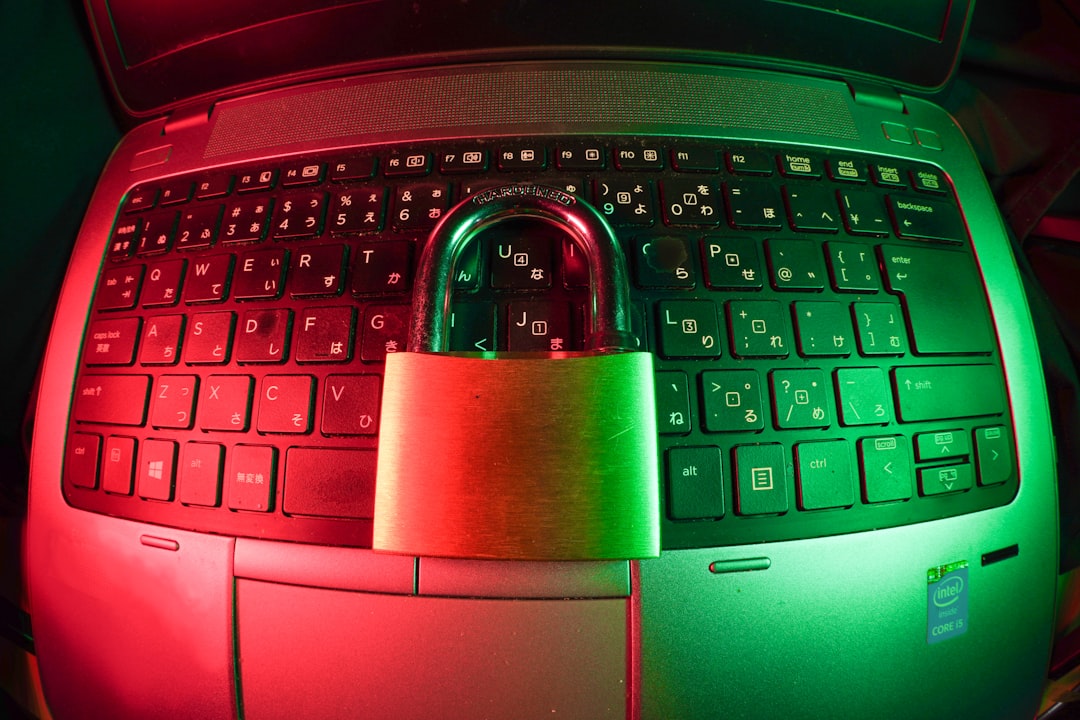
Australia, like many other nations, is facing an escalating series of cyber threats in 2024. With the increased digitization of services and sensitive data being hosted online, cyberattacks are becoming more prevalent and more damaging. In recent months, a number of high-profile data breaches have underscored Australia’s vulnerability and the critical importance of strong cybersecurity measures. From compromised government systems to data leaks in major corporations, the stakes have never been higher.
TL;DR
Australia has seen a significant rise in data breaches and cyberattacks during 2024, affecting both public and private sectors. Leading organizations, including hospitals, telecommunications companies, and financial firms, have reported breaches. The government is enhancing laws and investing more in cybersecurity infrastructure. Citizens are advised to stay vigilant and proactive about data protection.
Recent Data Breaches in Australia
Over the past year, Australia has witnessed a surge in cybercrime activity, with several notable breaches drawing media attention and prompting government scrutiny. Below are a few key incidents:
- Medibank Breach: In one of the most alarming healthcare-related cyberattacks, medical insurance giant Medibank suffered a data breach that affected nearly 10 million customers. Confidential medical records, including diagnoses and treatments, were leaked and shared online.
- Optus Hack: Telecommunications provider Optus became the victim of a major cyberattack in which over 9 million customer records were stolen, including license numbers, passport information, and other personal identifiers.
- Latitude Financial Incident: Cybercriminals targeted Latitude Financial and accessed hundreds of thousands of customer files, raising concerns over the company’s security protocols.

Each of these events had ripple effects, affecting not only the companies involved but also millions of Australians whose personal identities were compromised. Beyond individual inconvenience, the attacks also posed threats to national security, economic stability, and digital trust.
Government Response and Cybersecurity Initiatives
In response to these emerging cyber threats, the Australian government has taken several concrete steps. Among the most significant developments:
- Cyber Security Strategy 2023–2030: The federal government has outlined a comprehensive strategy aimed at bolstering national resilience against cyber threats. The multi-year plan includes budget allocations, regulatory changes, and public-private sector collaborations.
- Mandatory Breach Notification Laws: Organizations in Australia are now legally required to report any data breach that is likely to result in serious harm. This policy aims to increase transparency and ensure that affected individuals can take prompt action.
- Cybersecurity Uplift Programs: Funded initiatives to help small-to-medium enterprises (SMEs) enhance their cybersecurity posture have been rolled out across the country.
As a part of the strategy, the formation of a National Cyber Office was also announced, putting in place a central authority to coordinate efforts against cybercrime and oversee national digital safety operations.
The Role of Industry and Corporate Responsibility
Private enterprises in Australia bear much of the responsibility when it comes to preventing and responding to data breaches. Following the recent string of high-profile cyberattacks, there’s been a noticeable shift in corporate culture and investment patterns. According to a report by CyberCX, spending on cybersecurity in Australia rose by 28% between 2022 and 2023 and is expected to increase further in 2024.
Best practices being adopted include:
- Multi-Factor Authentication (MFA)
- Zero Trust Security Architecture
- Regular Penetration Testing and Vulnerability Scanning
- Employee Awareness Training Programs
While larger enterprises are generally better equipped to handle cyber risks, SMEs still lag in implementing essential security protocols. This discrepancy has made smaller businesses an attractive target for hackers.
Future Threats and Emerging Technologies
Cyber threats are evolving alongside technology. In particular, artificial intelligence (AI)-driven attacks, ransomware-as-a-service (RaaS), and the weaponization of Internet of Things (IoT) devices are introducing new complexities to the digital defense landscape.
Cloud environments and remote work infrastructure also present new vulnerabilities. Security experts warn that the increased shift to hybrid work models post-pandemic has created additional security gaps that threat actors can exploit.

On the bright side, the cybersecurity industry is also harnessing AI and machine learning to strengthen defenses. Predictive analytics, automated incident response, and real-time threat monitoring are becoming more accessible and more sophisticated.
Public Awareness and Citizen Action
As much as institutional defenses matter, individual vigilance plays an equally crucial role. The Australian Cyber Security Centre (ACSC) frequently releases advisories and guidelines to educate the public about the latest scams, phishing methods, and protective measures.
Here’s how every individual can stay protected:
- Regularly update passwords and use password managers
- Avoid clicking links or downloading files from unverified sources
- Enable MFA wherever possible
- Secure home networks and IoT devices
- Report suspicious digital activity to government platforms like cyber.gov.au
With digital identity theft on the rise, Australians are encouraged to monitor credit reports, freeze credit when necessary, and remain cautious about the data they share online.
Conclusion
The cybersecurity landscape in Australia is undergoing a transformation, driven by an urgent need to defend against increasingly sophisticated data breaches. With collaborative efforts from government, private sector, and individual citizens, it’s possible to mitigate these risks and foster a safer digital environment. However, the battle against cybercrime is ongoing, and the path to resilience demands continuous adaptation, education, and vigilance.
Frequently Asked Questions (FAQ)
- What should I do if I believe my data has been breached?
- Immediately contact the affected organization, monitor your financial and identity records, and report the issue to the Australian Cyber Security Centre at cyber.gov.au.
- How can I tell if an email or phone call is a phishing attempt?
- Look for generic greetings, urgent language, misspellings, unfamiliar links, or requests for sensitive information. Always verify through official channels before responding.
- Are businesses legally required to report data breaches in Australia?
- Yes, under the Notifiable Data Breaches (NDB) scheme, organizations must notify affected individuals and the Office of the Australian Information Commissioner (OAIC) if a breach is likely to result in serious harm.
- How can small businesses improve cybersecurity affordably?
- Implement basic practices such as MFA, regular data backups, secure Wi-Fi settings, and employee training. The government also provides cybersecurity guides and grants for small businesses.
- What agencies oversee cybersecurity in Australia?
- The Australian Cyber Security Centre (ACSC), the Department of Home Affairs, and the newly formed National Cyber Office are key agencies responsible for cybersecurity operations.