

The ability to transform a still photograph into a dynamic, moving visual was once reserved for professional animators and well-funded studios. Today, however, a new generation of free AI image to video tools is reshaping that landscape. Powered by advances in machine learning, these platforms enable everyday creators—marketers, educators, small business owners, and hobbyists—to animate photos with minimal technical skill and virtually no budget. What previously required complex software and hours of manual work can now be achieved in minutes.
TLDR: Free AI image to video tools are lowering the barrier to entry for photo animation by automating complex motion design tasks. They allow users to convert static images into dynamic videos quickly, often with just a few clicks. While limitations remain, these tools are making high-quality animated content accessible to non-professionals. As a result, individuals and small organizations can now compete visually in ways that were once impossible.
This democratization of animation is not merely a trend—it represents a structural shift in how visual content is produced and distributed online.
The Technology Behind AI Image to Video Tools
At the core of these platforms are deep learning models trained on massive datasets of images and videos. These systems learn how motion typically occurs: how faces blink, how hair moves in the wind, how light shifts across surfaces, or how a camera might pan across a landscape.
When a user uploads a still photograph, the AI predicts plausible motion patterns and generates intermediate frames to simulate movement. Some tools focus on:
- Facial animation (eye movement, blinking, subtle expressions)
- Cinematic camera motions (zoom, pan, tilt effects)
- Environmental effects (rain, fog, moving clouds)
- Character lip-syncing synchronized to audio
- 3D parallax effects that create depth from flat images
Importantly, the user does not need to manually design keyframes or timelines. The AI performs these tasks automatically, drastically reducing learning curves.
Why Accessibility Has Improved So Dramatically
Several factors have converged to make free AI photo animation tools viable for the public:
- Cloud Computing Infrastructure – Processing that once demanded high-end GPUs is now handled remotely in the cloud.
- Freemium Pricing Models – Many companies offer limited free plans to attract users, making experimentation risk-free.
- User-Friendly Interfaces – Drag-and-drop uploads and preset animations eliminate technical barriers.
- Template-Based Systems – Prebuilt motion styles simplify creative decisions.
This combination allows someone with no background in video editing to animate a portrait or product image in minutes.

Comparison of Popular Free AI Image to Video Tools
Below is a comparison of several widely used platforms offering free image-to-video functionality. While capabilities vary, each provides entry-level access suitable for beginners.
| Tool | Free Plan Available | Key Features | Watermark on Free Version | Best For |
|---|---|---|---|---|
| Runway | Yes (limited credits) | Image to video, generative motion, AI editing suite | Yes | Content creators, social media videos |
| Pika | Yes (usage capped) | Text and image to video, stylized animations | Sometimes | Creative storytelling |
| LeiaPix | Yes | 3D depth animation from photos | No (basic exports) | Parallax and depth effects |
| CapCut AI | Yes | Photo animation, auto templates, social optimization | No (varies by export) | Short-form video content |
| Canva AI Animation | Yes (limited features) | Drag-and-drop photo animation effects | No (with free account limits) | Marketing visuals and presentations |
While free plans may include watermarks or resolution limits, they provide sufficient functionality for learning and small-scale projects.
How Everyday Creators Are Using These Tools
The real significance of these platforms becomes clear when examining practical applications.
1. Social Media Marketing
Small business owners are turning static product photos into animated reels and short promotional clips. Even subtle movement increases engagement, as algorithms often prioritize video over static imagery.
2. Personal Branding
Professionals animate headshots for LinkedIn banners, portfolio sites, and introductions. A gently animated portrait can feel more approachable and modern than a static photo.
3. Education and Training
Teachers use animated historical photos or scientific diagrams to capture students’ attention. This transforms otherwise static materials into immersive learning aids.
4. Family and Personal Projects
Perhaps most compelling is the ability to animate old family photographs. Bringing archival images to life with subtle movement creates powerful emotional resonance.
Image not found in postmeta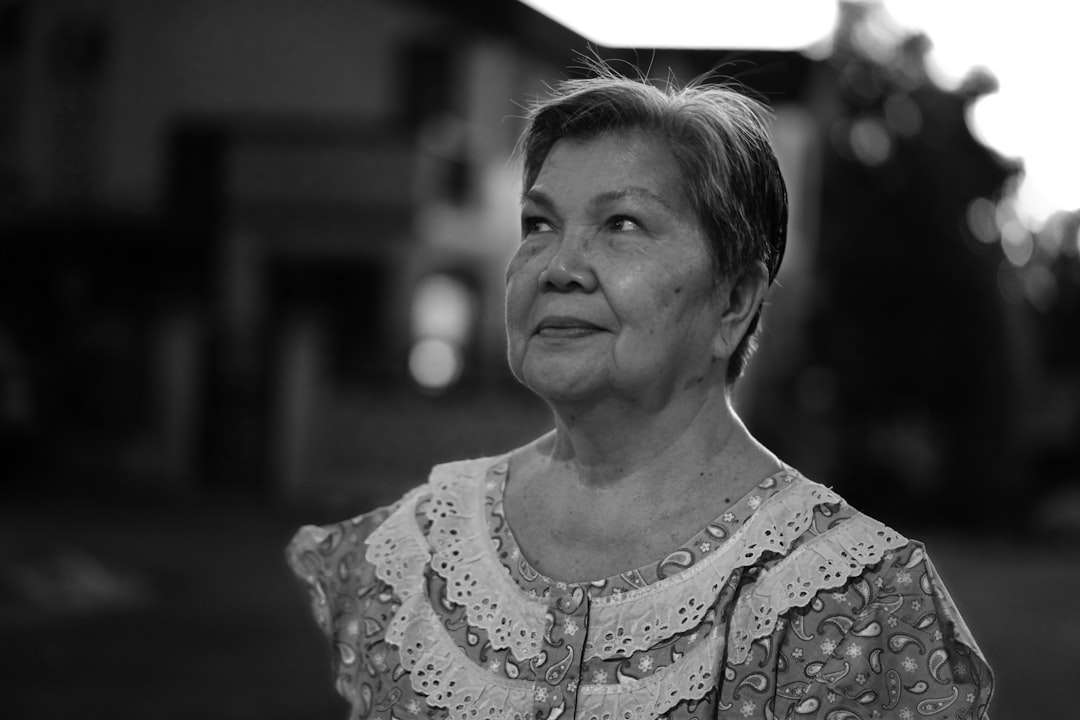
The Advantages Over Traditional Animation
Traditional animation involves multiple stages: storyboarding, rigging, rendering, editing, and post-production. Each step demands technical skill and time. AI-based tools streamline this process by:
- Automating keyframe creation
- Simulating realistic motion patterns
- Reducing rendering time
- Eliminating the need for advanced hardware
For everyday creators, the savings in both time and cost are substantial. Instead of investing hundreds of dollars in software subscriptions, users can work within free or low-cost ecosystems.
Limitations and Considerations
Despite their accessibility, free AI image to video tools are not without constraints. It is important to approach them with realistic expectations.
Common limitations include:
- Export resolution caps (often 720p on free plans)
- Watermarks on output files
- Processing queues during peak usage times
- Limited customization of motion paths
In addition, AI-generated motion may occasionally produce artifacts or unrealistic distortions, particularly in complex images. While improvements are ongoing, quality can vary.
There are also ethical considerations, particularly regarding consent when animating portraits. Creators should ensure they have the right to modify and publish images of individuals.
The Psychological Impact of Motion
Why does adding motion to a still image matter so much? Research in digital media suggests that human attention is naturally drawn to movement. Animated visuals:
- Increase dwell time on social platforms
- Enhance emotional engagement
- Improve message retention
- Create a perception of higher production value
Even subtle animations—such as wind moving through hair or a slow camera zoom—can significantly elevate viewer interest.
Image not found in postmeta
Lowering Barriers for Small Businesses
Small organizations often operate without dedicated design teams. Free AI tools enable them to:
- Create animated advertisements without outsourcing
- Repurpose product images into short marketing clips
- Test multiple visual variations quickly
- Stay competitive in video-driven online environments
What once required contracting a video production agency can now be performed internally with modest effort.
The Role of Automation in Creative Work
Some critics argue that automation dilutes creativity. However, these tools can be viewed as creative amplifiers rather than replacements. By removing technical friction, they allow creators to focus on storytelling, composition, and message rather than mechanical processes.
In practice, users often experiment more when entry costs are low. The freedom to try multiple animation styles without financial risk fosters exploration.
Future Developments to Watch
As AI models continue improving, several advancements are likely:
- Higher-resolution free exports
- More precise motion control options
- Real-time rendering speeds
- Enhanced 3D scene reconstruction from single images
- Deeper integration with audio and voice synthesis
Over time, the distinction between amateur and professional animation may continue to blur.
Conclusion
Free AI image to video tools are redefining what is possible for everyday creators. By automating complex animation tasks and offering accessible entry points, these platforms have removed many of the barriers that once restricted motion design to specialists.
While limitations in resolution, watermarking, and customization remain, the overall trajectory is clear: photo animation is no longer a niche skill reserved for professionals. It is an increasingly standard creative capability available to anyone with a digital image and internet access.
For small businesses, educators, marketers, and individuals alike, this shift represents more than convenience—it signals a broader democratization of visual storytelling. As AI technology matures, the ability to bring still images to life will likely become not just easier, but expected in modern digital communication.