
Into the Dead: Our Darkest Days can be an intense and immersive experience—until it suddenly crashes. Whether it freezes on launch, shuts down mid-game, or displays error messages, crashes can frustrate even the most patient players. Fortunately, most stability issues can be resolved with systematic troubleshooting and a few targeted adjustments.
TLDR: Game crashes in Into the Dead: Our Darkest Days are usually caused by outdated drivers, corrupted files, incompatible hardware, or software conflicts. Players can fix most issues by verifying game files, updating GPU drivers, lowering graphics settings, and disabling background processes. Reinstalling the game or adjusting system settings may also help if the problem persists. Following a step-by-step troubleshooting process prevents unnecessary frustration and downtime.
Common Reasons Why the Game Crashes
Before applying fixes, it is important to understand what typically causes crashes. Most problems fall into one of the following categories:
- Outdated graphics drivers
- Corrupted or missing game files
- Insufficient system resources (RAM, CPU, GPU)
- Overheating hardware
- Conflicts with third-party software
- Operating system incompatibility
Identifying the likely cause makes the troubleshooting process faster and more effective. Players should begin with the simplest solutions before moving on to more advanced fixes.
1. Check System Requirements
The first step is verifying that the PC meets the game’s minimum and recommended system requirements. Many crashes occur because the hardware struggles to run modern zombie survival titles with intense lighting and particle effects.
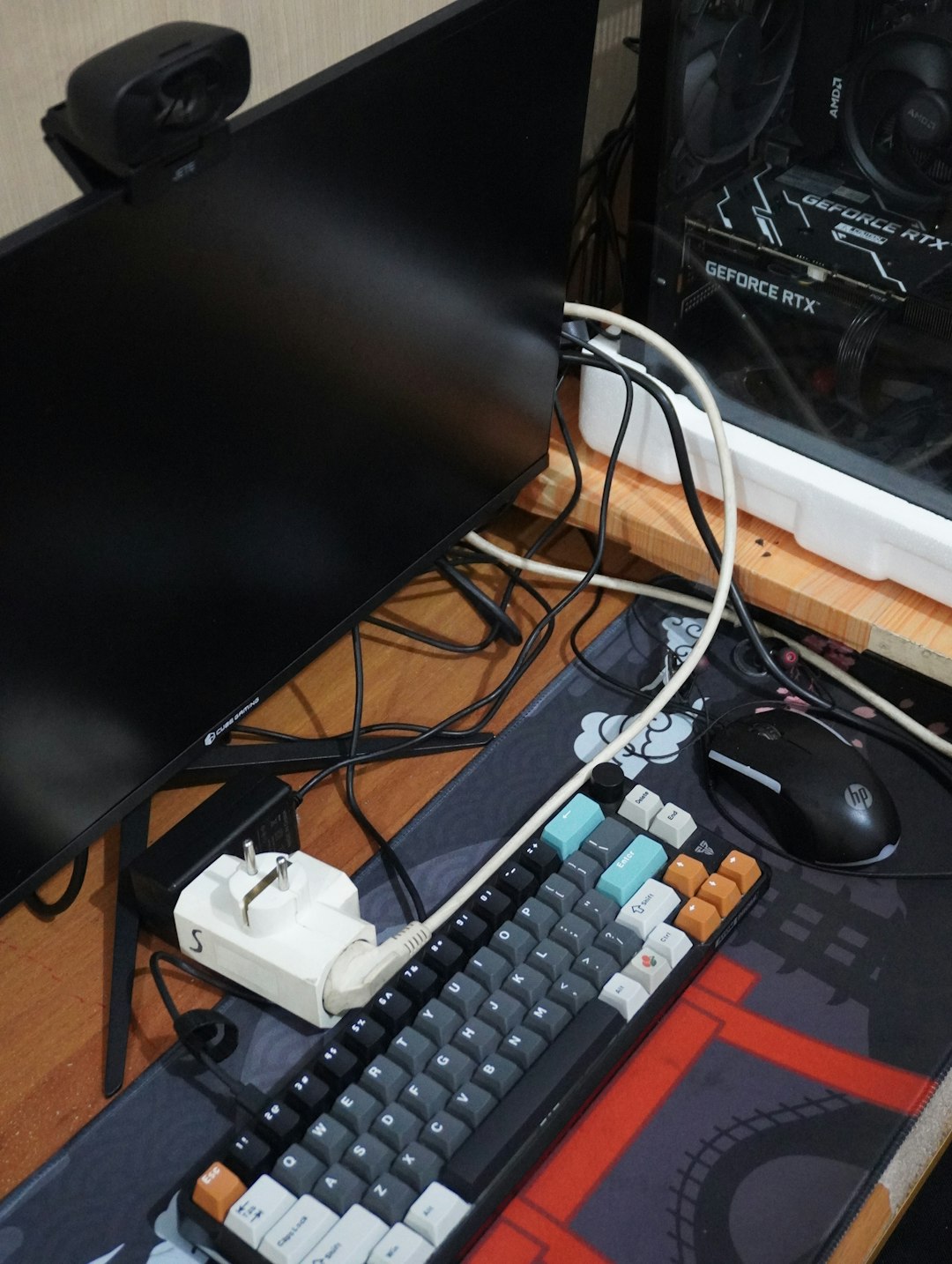
Players should compare the following components against the official requirements:
- Operating System
- Processor (CPU)
- Graphics Card (GPU)
- Memory (RAM)
- Available Storage Space
If the system barely meets minimum requirements, lowering in-game settings may significantly reduce crashes.
2. Update Graphics Drivers
Outdated GPU drivers are one of the most common causes of game instability. NVIDIA, AMD, and Intel frequently release driver updates optimized for new releases.
To update drivers:
- Visit the official GPU manufacturer’s website.
- Download the latest driver compatible with the installed graphics card.
- Perform a clean installation if possible.
- Restart the computer after installation.
A clean driver install removes potential corrupted settings and ensures optimal compatibility with Into the Dead: Our Darkest Days.
3. Verify Game Files
Corrupted or missing files may cause the game to crash during startup or gameplay. Most digital distribution platforms offer file verification tools.
On Steam:
- Open the Steam Library.
- Right-click the game.
- Select Properties.
- Click Installed Files.
- Select Verify Integrity of Game Files.
The system will scan and replace damaged files automatically. This fix resolves a surprisingly high number of stability issues.
4. Lower In-Game Graphics Settings
If crashes occur during intense scenes—such as large zombie hordes or heavy weather effects—hardware strain may be the culprit.
Players should adjust the following settings:
- Reduce Texture Quality
- Lower Shadow Quality
- Disable or reduce Motion Blur
- Turn off Ray Tracing
- Switch from Ultra to Medium preset
After applying changes, restarting the game ensures the settings take full effect.
5. Close Background Applications
Background applications consume RAM and CPU resources, which may contribute to instability.
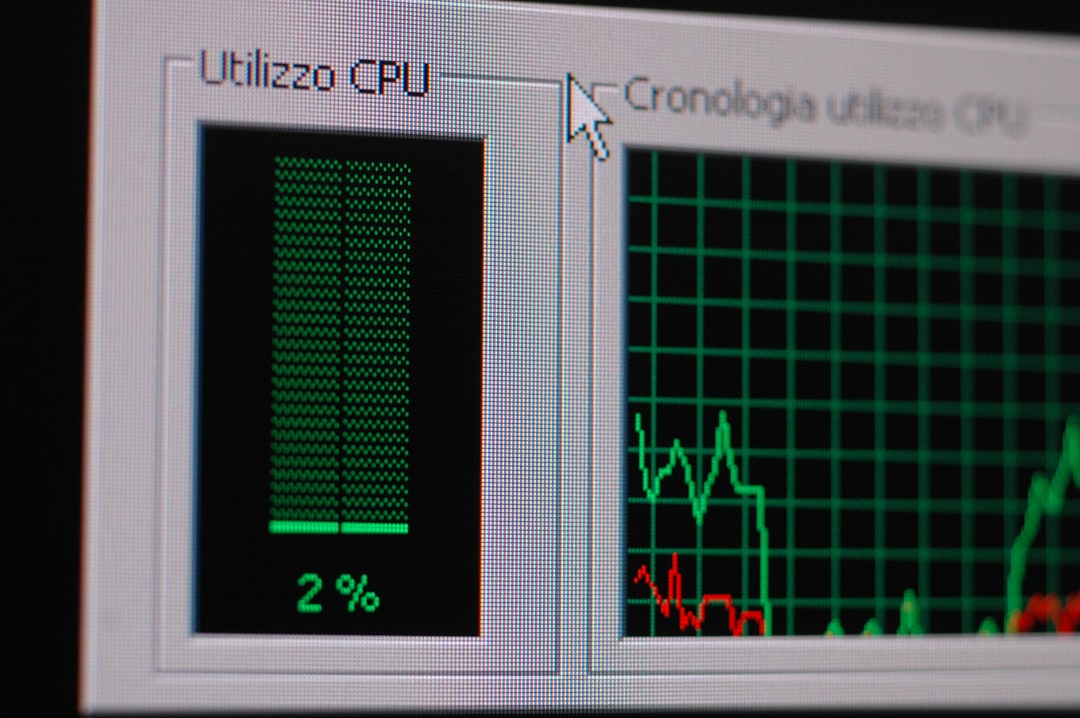
Common resource-heavy programs include:
- Web browsers with multiple tabs
- Streaming software
- RGB lighting controllers
- Overlay applications (Discord, GeForce Experience)
- Antivirus scans running in real time
Opening Task Manager (Ctrl + Shift + Esc) allows players to monitor and end unnecessary tasks before launching the game.
6. Run the Game as Administrator
Permission issues can sometimes block proper execution.
To run as administrator:
- Locate the game executable file.
- Right-click and select Properties.
- Under the Compatibility tab, check Run this program as an administrator.
- Click Apply.
This grants the game full system access and can eliminate launch crashes.
7. Disable Overclocking
Overclocked CPUs and GPUs may cause instability, especially during demanding sequences.
Players using MSI Afterburner or BIOS-level overclocking should temporarily revert to default clock speeds. Even stable overclocks can conflict with certain game engines.
8. Check for Overheating
Thermal throttling or overheating can force the system to shut down games abruptly.
Players should monitor temperatures using tools such as:
- HWMonitor
- Core Temp
- MSI Afterburner
If temperatures exceed safe limits:
- Clean dust from fans and vents
- Improve airflow inside the case
- Reapply thermal paste if necessary
- Improve room ventilation
9. Adjust Windows Settings
Operating system configurations may also contribute to crashes.
Recommended adjustments:
- Update Windows to the latest version
- Disable Fullscreen Optimizations
- Set Power Plan to High Performance
- Install the latest DirectX and Visual C++ redistributables
To disable Fullscreen Optimizations, right-click the game executable, select Properties, and check the relevant box in the Compatibility tab.
10. Reinstall the Game
If none of the previous steps work, performing a clean reinstall may resolve deeper configuration problems.
Steps for a clean reinstall:
- Uninstall the game.
- Delete remaining game folders in the installation directory.
- Restart the computer.
- Reinstall the game from a trusted source.
This eliminates persistent file corruption and configuration errors.
11. Check Event Viewer for Error Codes
Advanced users can inspect Windows Event Viewer for detailed crash logs.
- Press Windows + X.
- Select Event Viewer.
- Navigate to Windows Logs → Application.
- Look for red error entries related to the game.
Error codes may reveal driver conflicts, missing DLL files, or hardware failures.
When to Contact Support
If crashes persist after all troubleshooting steps, contacting the game’s official support team is recommended. Providing detailed information increases the chance of a quick resolution:
- System specifications
- Crash logs
- Screenshots of error messages
- A description of when crashes occur
Developers frequently release patches addressing widespread performance issues, so checking for updates regularly is also essential.
Preventing Future Crashes
Prevention is often easier than troubleshooting. Players can reduce the likelihood of future crashes by following best practices:
- Keep drivers updated
- Avoid unnecessary background software
- Monitor hardware temperatures
- Maintain sufficient free disk space
- Install updates promptly
Consistent maintenance ensures smoother performance not only for Into the Dead: Our Darkest Days but for all modern games.
Frequently Asked Questions (FAQ)
Why does Into the Dead: Our Darkest Days crash on startup?
Startup crashes are usually caused by corrupted files, outdated drivers, or missing system components like DirectX or Visual C++ redistributables. Verifying game files and updating drivers typically resolves the issue.
Can low RAM cause the game to crash?
Yes. If the system does not have enough available RAM, especially with background applications running, the game may freeze or close unexpectedly. Closing other programs or upgrading RAM can help.
Does reinstalling the game fix most crash problems?
Reinstalling can fix persistent file corruption issues, but it should be attempted after simpler solutions like updating drivers and verifying files.
Why does the game crash during intense action scenes?
This often indicates GPU strain or overheating. Lowering graphics settings and improving cooling can improve stability.
Should overclocking be disabled permanently?
Not necessarily. However, if crashes stop after disabling overclocking, stability may be better at default clock speeds.
How do players know if overheating is the problem?
Monitoring software can display real-time CPU and GPU temperatures. If temperatures exceed manufacturer recommendations during gameplay, overheating is likely the cause.
By following the structured steps above, most players can restore stability and return to surviving the zombie apocalypse without repeated interruptions. Patience and systematic troubleshooting remain the keys to resolving nearly every crash scenario.