
Klarna has become one of the most recognized “buy now, pay later” (BNPL) services in the world, promising flexible payments and smoother online shopping experiences. But as with any financial platform that handles personal and payment data, one question matters most:
What Is Klarna and How Does It Work?
Klarna is a Swedish fintech company founded in 2005 that provides flexible payment solutions for online and in-store purchases. Instead of paying the full amount upfront, shoppers can split purchases into installments or delay payment.
Its most common payment options include:
-
Pay in 4: Four interest-free payments every two weeks. -
Pay in 30 days: Buy now, pay the full amount later. -
Financing: Longer-term monthly payments (sometimes with interest).
Over 150 million consumers globally use Klarna, and it partners with hundreds of thousands of retailers. With such a large presence, it’s natural to question how secure the system really is.
Klarna’s Security Infrastructure
Security is critical for any financial platform. Klarna processes payments, stores user data, and in some cases conducts credit checks — all of which demand strong safeguards.
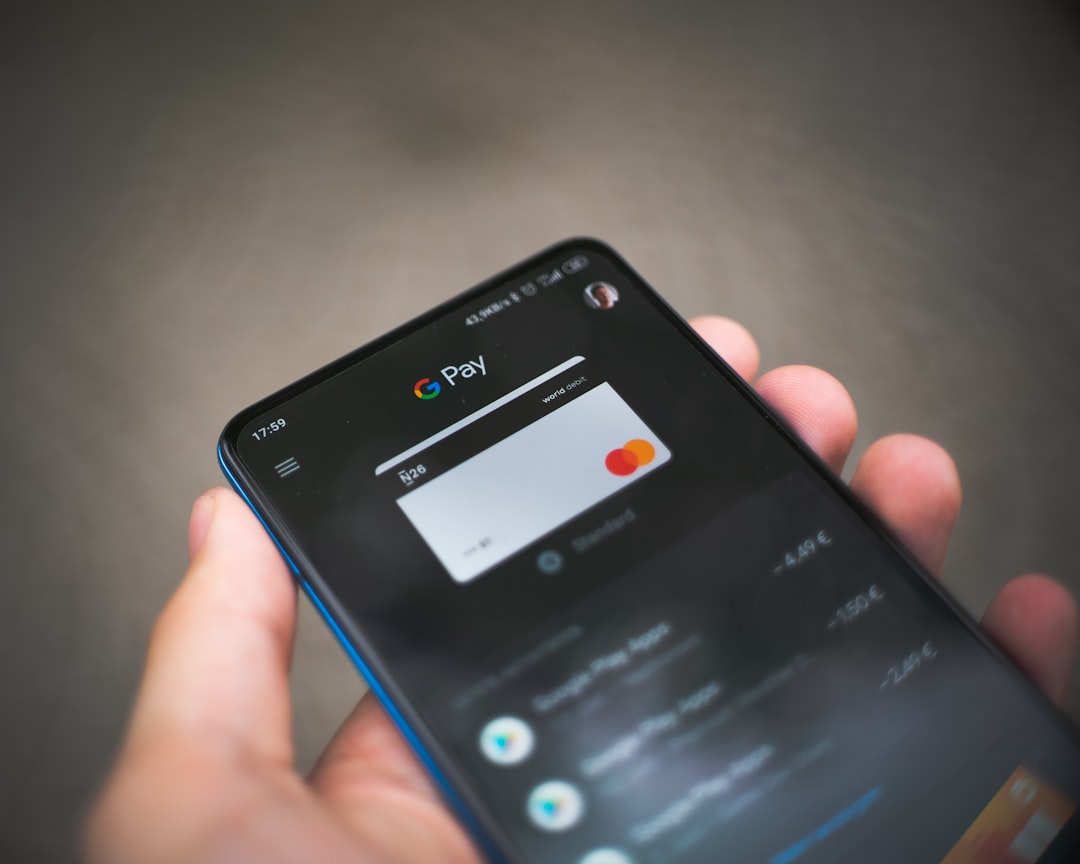
1. Bank-Level Encryption
Klarna uses
- SSL (Secure Socket Layer) encryption
- Data tokenization for payment details
- Secure communication between servers
This means your credit or debit card information isn’t simply stored in plain text where it could be easily compromised.
2. Fraud Prevention Systems
Klarna uses
If suspicious activity is detected, Klarna may:
- Decline the purchase
- Request additional identity verification
- Temporarily freeze the account
3. Regulatory Compliance
Klarna operates under financial regulations in each country where it does business. In many regions, it is licensed as a bank or financial institution, meaning it must comply with:
Consumer lending laws Data protection laws (including GDPR in Europe) Anti-money laundering regulations
This oversight provides an additional layer of legitimacy and accountability.
Is Klarna Safe for Personal Information?
Sharing personal details — including your name, address, date of birth, and sometimes Social Security number — can understandably feel risky. However, Klarna collects this information primarily for identity verification and credit assessment purposes.
The company states that it:
- Does not sell personal data to third parties for marketing
- Uses secure servers with strong access restrictions
- Allows users to request data deletion (subject to legal retention obligations)
Common Risks of Using Klarna
While Klarna itself is generally secure from a technical standpoint, the bigger risks tend to come from financial behavior and account management.
1. Overspending
The psychological effect of splitting payments can encourage more spending. When a $200 purchase becomes “just $50 today,” it may feel more manageable — even if your overall budget says otherwise.
This is one of the most significant risks of BNPL services overall.
2. Missed Payments and Late Fees
If you miss a payment:
- You may face late fees (depending on your country and plan).
- Your account could be restricted.
- The debt may be sent to collections in severe cases.
While Klarna advertises many plans as “interest-free,” missed payments can still become expensive.
3. Potential Credit Impact
Klarna sometimes performs
Additionally, missed payments may be reported to credit bureaus in some regions, potentially affecting your credit score.
4. Account Takeover Risks
If a user reuses passwords across platforms, hackers could exploit leaked credentials from other sites to access their Klarna account. This is not unique to Klarna but applies to most online services.
How Klarna Protects Buyers
One security advantage many users appreciate is Klarna’s built-in buyer protection features.

Purchase Protection
If you do not receive your item or it arrives damaged, you can report the issue in the Klarna app. Klarna will often pause your payment while investigating the dispute.
This can provide an extra layer of protection compared to paying directly with a debit card.
Dispute Resolution
Klarna allows users to:
- Open disputes directly within the app
- Upload documentation and proof
- Communicate with merchants through a centralized system
This structured dispute process can simplify refunds and returns.
Is Klarna Safer Than Using a Credit Card?
Safety depends on what aspect you’re evaluating.
-
Fraud protection: Both Klarna and major credit cards offer fraud monitoring and dispute processes. -
Interest charges: Klarna’s short-term plans are often interest-free, whereas credit cards may charge high APRs. -
Credit score impact: Credit cards build credit with consistent payments; Klarna’s effect varies by region and payment type.
In terms of
When Klarna May Not Be a Good Idea
Klarna may not be suitable if:
- You already struggle with debt management.
- You rely on borrowing to afford necessities.
- You frequently forget payment deadlines.
- You are trying to simplify your financial obligations.
Because payments are automated, insufficient funds in your linked account can create cascading financial problems.
Tips to Use Klarna Safely
If you decide to use Klarna, follow these best practices to minimize risk:
Enable two-factor authentication. Create a strong, unique password. Track all installment due dates. Link a payment method with sufficient funds. Limit the number of simultaneous installment plans.
Additionally, treat installment purchases as full-price commitments — not as discounted deals.
So, Is Klarna Safe?
However, safety is not purely about cybersecurity. The real risks for most users involve:
- Behavioral overspending
- Missed payments
- Budget mismanagement
Klarna does what it is designed to do: provide payment flexibility. Whether that flexibility becomes helpful or harmful depends largely on the user.
Final Verdict
Klarna is not a scam, nor is it inherently dangerous. It is a regulated fintech company with strong security practices and millions of satisfied users worldwide. For disciplined shoppers who track their purchases carefully, it can be a safe and convenient way to manage short-term payments.
But like any financial tool, it requires responsibility.
If you approach Klarna with clear awareness of due dates, limits, and your overall financial health, it can be both secure and practical. If not, the risks are less about hacking — and more about habits.