
In the constantly evolving digital age, new ideas, philosophies, and trends spread faster than ever. One such concept that has quietly gained traction among online communities, creators, and thinkers is Jyokyo — an intriguing term that encompasses subtle cultural significance and broad interpretive potential. As its digital footprint grows, so too does the curiosity surrounding its meaning and implications.
TL;DR (Too Long; Didn’t Read)
Jyokyo is an emerging cultural and digital concept that blends minimalism, transience, and observation of the present moment. Its origin remains somewhat ambiguous, but individuals and communities online have adopted and reshaped it for artistic, philosophical, and reflective purposes. This quiet concept has inspired visual arts, online branding, and philosophical discussions about presence in a rapidly moving world. Its digital presence is still new but reflects a growing global curiosity.
What Is Jyokyo? A Concept Rooted in Subtlety
The essence of Jyokyo lies in observing and embracing the present situation — a kind of gentle mindfulness that encourages presence and reflection on current circumstances. The term itself has roots in Japanese, where it can loosely translate to “the state of affairs” or “current condition.” But unlike clinical terms, Jyokyo carries poetic undertones, resonating deeply with philosophies that value impermanence, context, and lived experience.
Unlike robust philosophical systems with clear doctrines, Jyokyo is more experiential. It lacks rigid boundaries and instead invites interpretation, making it highly adaptable. Depending on context, it may reflect a moment in time, a social reality, or an emotional landscape. Artists and poets, particularly in East Asia, have drawn from the concept for centuries without necessarily naming it — now, modern users are reviving its subtle profundity.
Jyokyo in the Digital Sphere
The transition of Jyokyo from a linguistic artifact to a digital movement is particularly fascinating. In online spaces like Tumblr, Reddit, Twitter, and niche blogging platforms, users have begun weaving the term into shared content that emphasizes minimalism, aesthetic melancholy, and quiet contemplation.
Its digital presence can be recognized in:
- Visual Design: Pages using neutral palettes, empty spaces, and nostalgic filters.
- Music: Ambient tracks, lo-fi instrumentals, and nature-infused compositions focus on emotional stillness.
- Blogging and Journals: Short reflections scrawled under dim photographs, merging diary writing with subtle philosophical musing.
- Short Films and Experimental Videos: Quiet visuals set against minimal narration exploring the present moment.
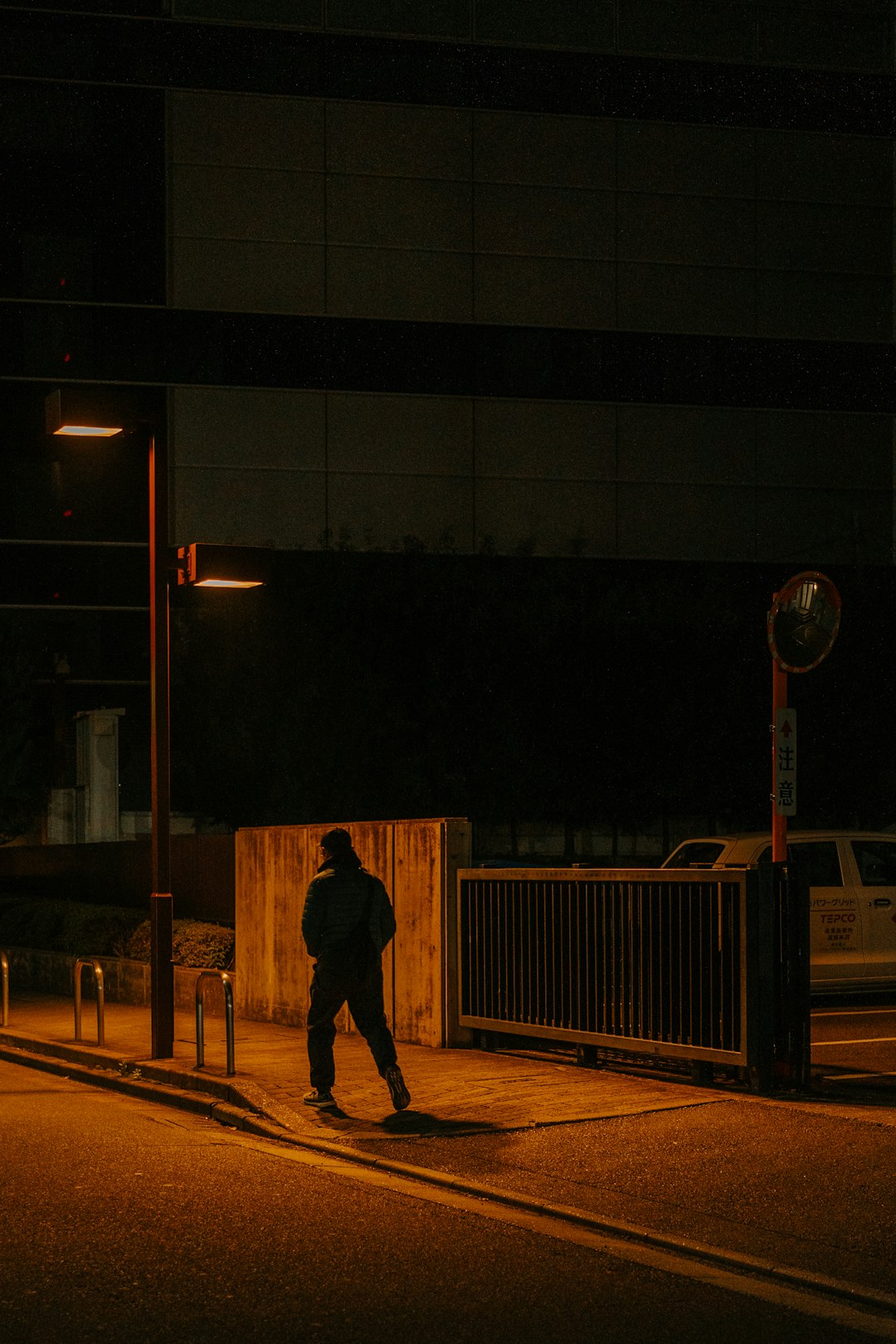
Platforms like YouTube and Vimeo have seen an increase in videos that aim to capture “a moment” rather than “a story” — city streets at dusk, slow rainy mornings, and people watching from behind café windows. These are modern visual embodiments of Jyokyo.
Why People Are Curious About Jyokyo
Much of the curiosity surrounding Jyokyo lies in its fluidity. It’s not a buzzword created for marketing, nor a rigid cultural rulebook — it’s something people notice, experience, and come to define for themselves. As such, it appeals to a generation increasingly disoriented by constant connectivity, hyper-stimulation, and content overload.
Key reasons for the growing interest include:
- Emotional Detachment from Modern Life: In an age of overstimulation, many find relief in stillness and introspection.
- Cross-Cultural Appeal: Emerging from Japanese vocabulary, the concept resonates across cultures particularly those with philosophies rooted in impermanence like Buddhism or Stoicism.
- Aesthetic Simplicity: It complements minimalism, which is both a philosophical choice and a popular visual style.
- Need for Presence: As attention spans shrink, concepts like Jyokyo help focus awareness on what is happening right now.
Online, users often tag content with hashtags like #JyokyoVibes or #InThisMoment to align with this evolving aesthetic and philosophical wave. The community around these hashtags remains niche, but their growth is consistent, especially among creative professionals and younger audiences seeking connection beyond noise.
Artistic and Psychological Implications
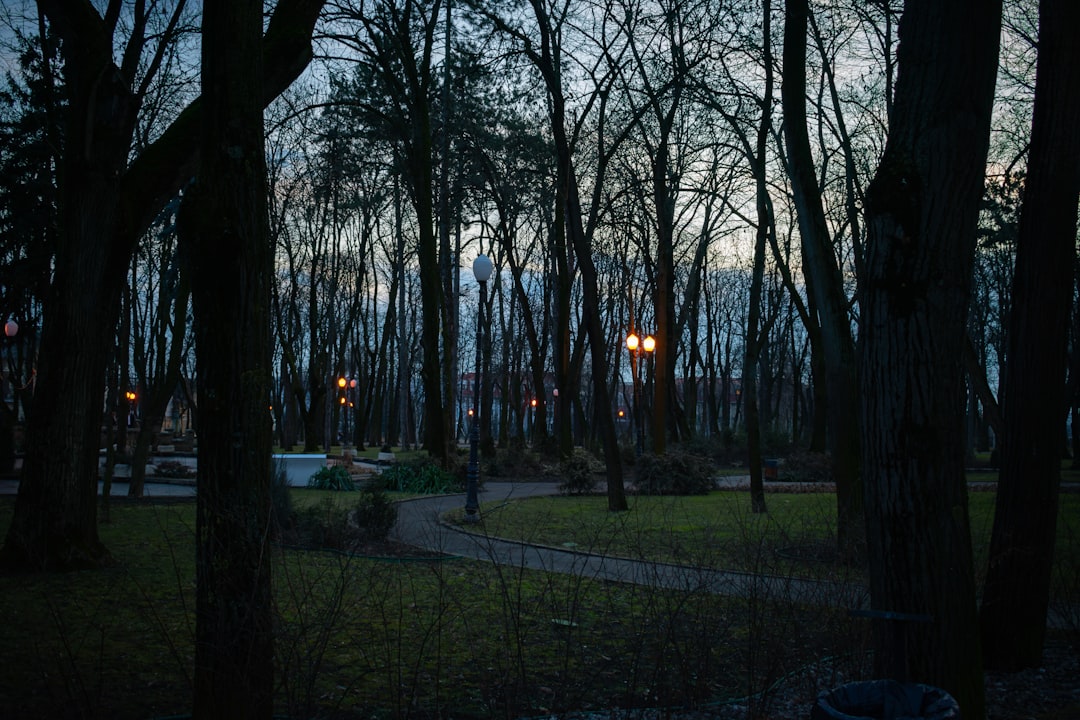
Artists have embraced Jyokyo for its connection to ephemeral beauty. A photo of a shadow falling across a tatami mat, the rustling of wind through leaves, or even an empty table in a cozy diner — all become subjects worthy of attention under this principle. Psychologically, the attachment to such subtle stimuli allows grounding and the processing of one’s own emotions.
This kind of microfocus on the present ties into mindfulness practices — though Jyokyo does not require structured meditation, it encourages observation and awareness. In therapy, reflecting on the immediate situation might help people reframe problems, gain emotional clarity, or simply pause from mental clutter. Its quiet empathy aligns it with modern therapeutic values.
Branding and Cultural Evolution
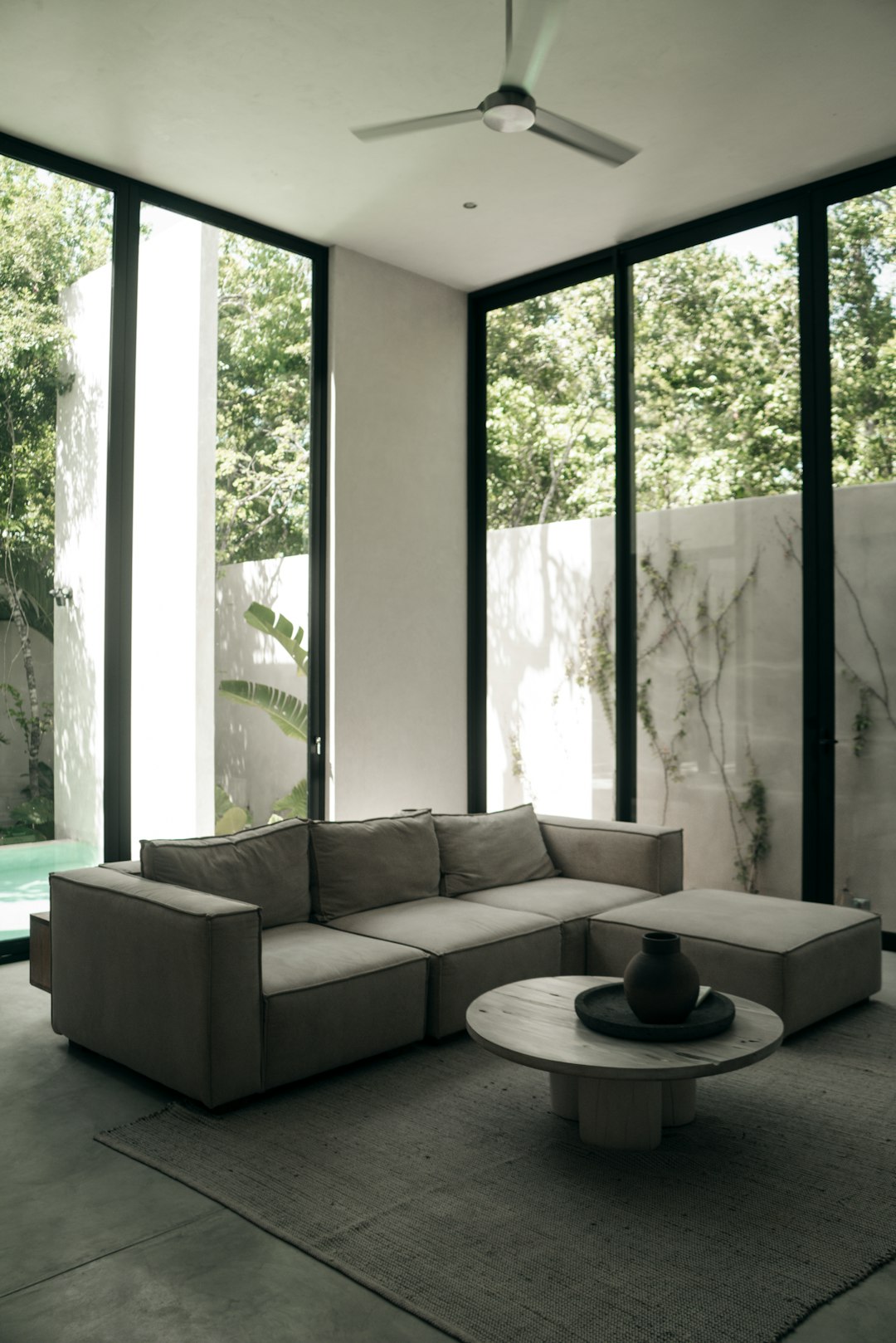
Some small brands have subtly incorporated Jyokyo into their identities, especially in fashion, stationery, and lifestyle products. These brands lean heavily on storytelling that emphasizes craftsmanship, local environments, and calming visuals. Unlike fast trends that scream for attention, they whisper — an appropriate representation of Jyokyo’s thematic roots.
In global markets where authenticity and emotional resonance are becoming key factors, adopting a philosophy like Jyokyo is increasingly strategic. It suggests a depth, a sincerity that resonates with those weary of consumerist gloss.
The Future of Jyokyo
Though still relatively under-the-radar, Jyokyo’s digital life is growing. It may never become mainstream in the traditional sense, but that may also be its strength. Its resistance to commodification attracts those searching for genuine reflection in an economy that thrives on distraction.
Education platforms and cultural critics are beginning to reference the term in discussions about slow living, internet minimalism, and even climate reverence. As more people encounter it through online creation, the word expands — not in rigid definition, but in resonant meaning. Much like its core, Jyokyo is not fixed. It unfolds moment by moment, platform by platform, user by user.
FAQs About Jyokyo
-
What does Jyokyo mean?
Jyokyo is a Japanese term that generally translates to “current condition” or “the state of affairs.” In cultural usage, it often suggests presence, observation, and the subtle nuances of a moment. -
Is Jyokyo a philosophy or a lifestyle?
It’s not structured like mainstream philosophies, but it aligns closely with minimalist and present-focused lifestyles. It can influence one’s approach to art, mindfulness, and even daily living. -
Where did the interest in Jyokyo begin?
Though rooted in Japanese language and culture, the digital revival began on content-sharing platforms where users expressed stillness, transience, and aesthetics of the moment. -
How is Jyokyo different from mindfulness?
Mindfulness often involves practiced techniques and silent meditation, while Jyokyo emphasizes simple observation of “what is now” without necessarily imposing structure or expectation. -
How can I explore Jyokyo in my own life?
Start by pausing to notice your surroundings with full attention — whether it’s a mundane commute, a cup of coffee, or the rustle of leaves. Reflect or express what you see through writing, photography, or simply stillness.
Ultimately, Jyokyo offers an invitation — not a directive — to notice what’s unfolding, right here, right now. In a world that often romanticizes the future or regrets the past, this quiet concept asks: What if this moment is enough?