
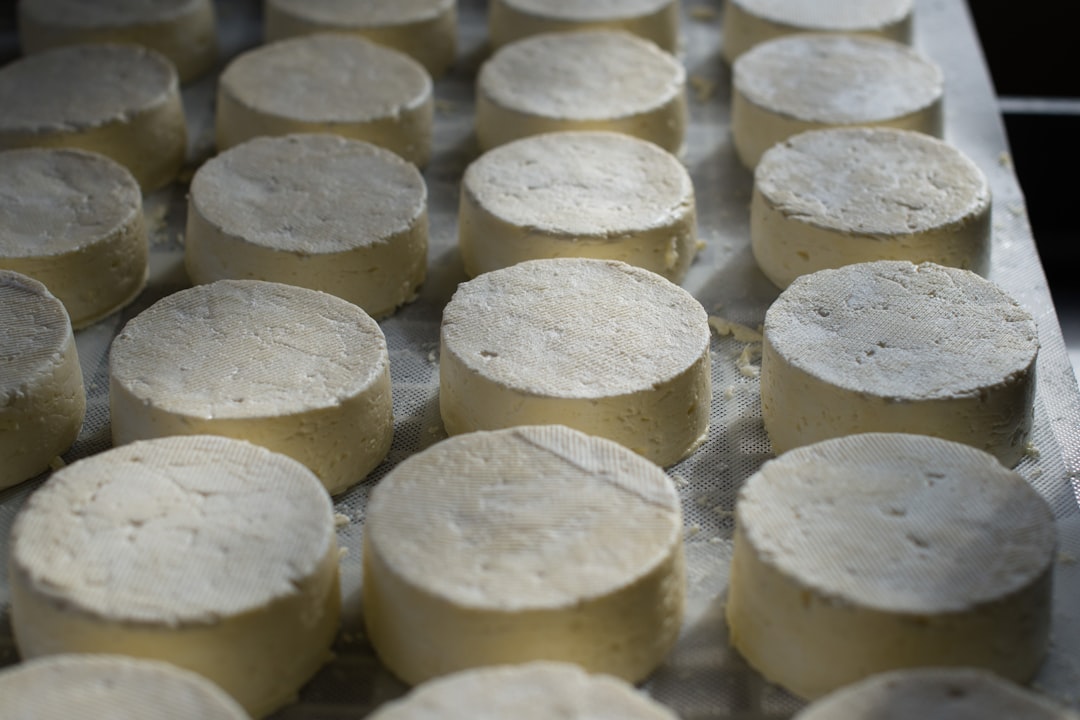
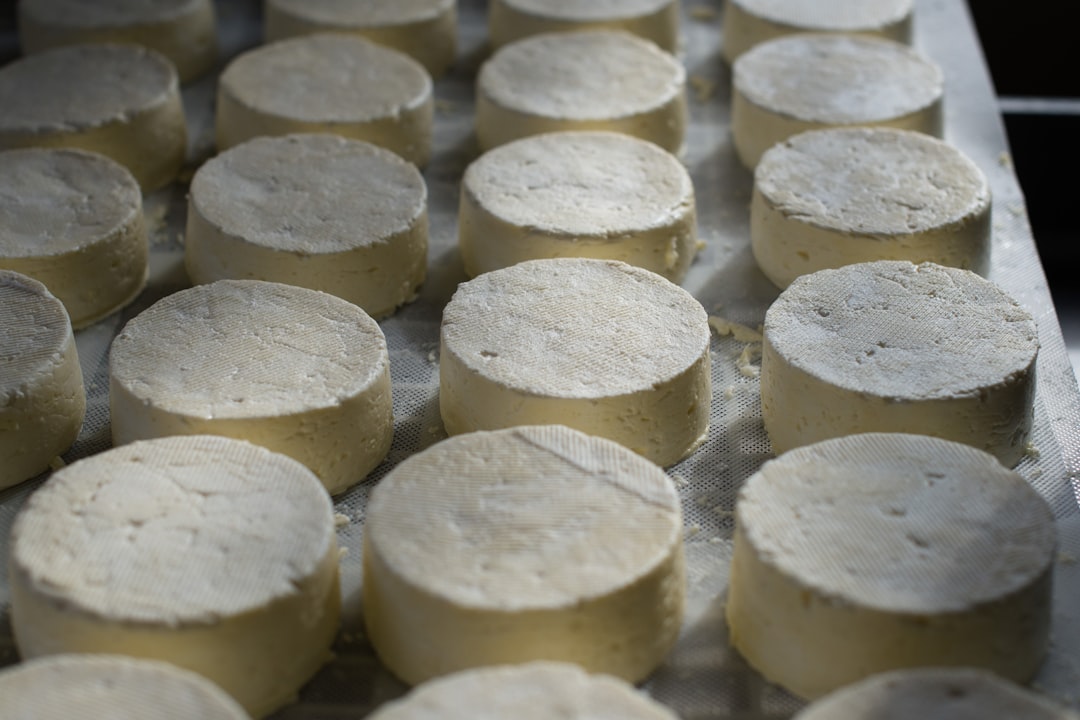
Masgonzola has emerged as one of the most intriguing Italian cheeses for discerning food lovers, balancing indulgent creaminess with restrained blue character. As global palates move toward nuanced, authentic flavors in 2026, this hybrid cheese is gaining renewed attention from chefs, retailers, and serious home cooks who value tradition guided by modern technique.
TLDR: Masgonzola is a luxurious Italian-style cheese that blends mascarpone’s creaminess with gorgonzola’s gentle blue notes. It is prized for its balance, versatility, and refined flavor, making it ideal for both simple pairings and high-end gastronomy. In 2026, its popularity is growing as consumers seek authentic, artisanal foods. Choosing quality production and proper storage is essential to enjoy it at its best.
What Exactly Is Masgonzola?
Masgonzola is best described as a composite Italian blue cheese, traditionally made by layering or blending fresh mascarpone with young gorgonzola. The result is a smooth, spoonable texture with delicate blue veining and a flavor profile that leans creamy rather than sharp.
Unlike pure gorgonzola, Masgonzola is generally milder, slightly sweet, and less aggressive on the palate. It does not have a single protected recipe under European PDO rules, meaning production methods vary among artisans. This flexibility allows cheesemakers to express regional milk quality and stylistic intent while preserving the cheese’s defining duality.
Origins and Italian Heritage
The roots of Masgonzola lie in Northern Italy, particularly Lombardy and Piedmont, where mascarpone and gorgonzola have been crafted for centuries. Historically, cheesemakers sought ways to soften strong blue cheeses for broader appeal, often mixing them with fresh dairy components.
While the name “Masgonzola” emerged relatively recently as a market-friendly term, the practice itself reflects Italy’s deep culinary pragmatism: nothing wasted, balance always prioritized. By 2026, Italian producers increasingly emphasize traceable milk sources and small-batch production, reinforcing Masgonzola’s reputation as a gourmet yet honest food.
Texture, Aroma, and Flavor Profile
Masgonzola’s appeal lies in its sensory balance:
- Texture: Silky, spreadable, often described as mousse-like.
- Aroma: Fresh dairy with subtle earthy notes, never overpowering.
- Flavor: Sweet cream first, followed by gentle blue tang and faint nuttiness.
The mascarpone tempers the gorgonzola’s bite, making the cheese accessible even to those who normally avoid blue varieties. High-quality versions maintain clarity of flavor rather than blending into uniform blandness.
How Masgonzola Is Made
Production typically begins with full-fat cow’s milk. The gorgonzola component is prepared first, inoculated with Penicillium cultures and gently aged. Fresh mascarpone, made by coagulating cream with acid rather than rennet, is then folded or layered into the blue cheese.
Key factors affecting quality include:
- Milk freshness and fat content
- Age of the gorgonzola used
- Ratio between mascarpone and blue cheese
- Minimal mechanical handling to preserve structure
By 2026, some producers are experimenting with micro-batch aging and precision temperature control to achieve consistent cream integration without compromising natural fermentation.
Culinary Uses and Pairings
Masgonzola’s versatility is one of its strongest assets. It performs equally well as a finishing cheese and as a core ingredient.
Classic uses include:
- Spread on warm bread or focaccia
- Melted into risotto or polenta
- Finished on grilled vegetables or steak
Modern pairings favored in 2026:
- With pears, figs, or apple compote
- Alongside toasted hazelnuts or walnuts
- Paired with honey or aged balsamic vinegar
Wine pairings tend toward lightly sweet or structured options, such as Moscato d’Asti, late-harvest Riesling, or even a restrained Barolo for contrast.
Masgonzola vs. Similar Cheeses
Understanding Masgonzola means distinguishing it from related cheeses:
- Gorgonzola Dolce: Firmer, more pronounced blue character.
- Dolcelatte: Similar concept, often smoother but less rich.
- Blue Brie: Earthier, with bloomy rind influence.
Masgonzola stands apart due to its mascarpone base, which delivers unmatched creaminess without masking the blue complexity. This makes it particularly appealing for consumers seeking luxury without intensity.
Buying and Storing Masgonzola
When purchasing Masgonzola, freshness and handling are critical. Look for:
- Clean, ivory-white base with delicate blue streaks
- No strong ammonia smell
- Packaging that allows limited airflow
Storage should be cool but not freezing, ideally between 4–6°C. Wrap loosely in wax paper, then place in a sealed container to prevent aroma transfer. Consume within 5–7 days once opened, as mascarpone content accelerates spoilage compared to firmer cheeses.
Why Masgonzola Matters in 2026
Food culture in 2026 is defined by intentional indulgence. Consumers prioritize fewer, better-quality foods with authentic provenance. Masgonzola aligns perfectly with this philosophy: rich yet restrained, traditional yet adaptable.
Chefs value it for menu flexibility, retailers for its premium positioning, and home cooks for its ease of use. As transparency in dairy production becomes standard, Masgonzola’s simple ingredient base and artisanal potential strengthen its standing among gourmet cheeses.
For Italian cheese lovers and curious newcomers alike, Masgonzola represents a thoughtful evolution of tradition, proving that innovation does not require abandoning heritage. In 2026, it is not a trend but a confirmation of enduring taste.