
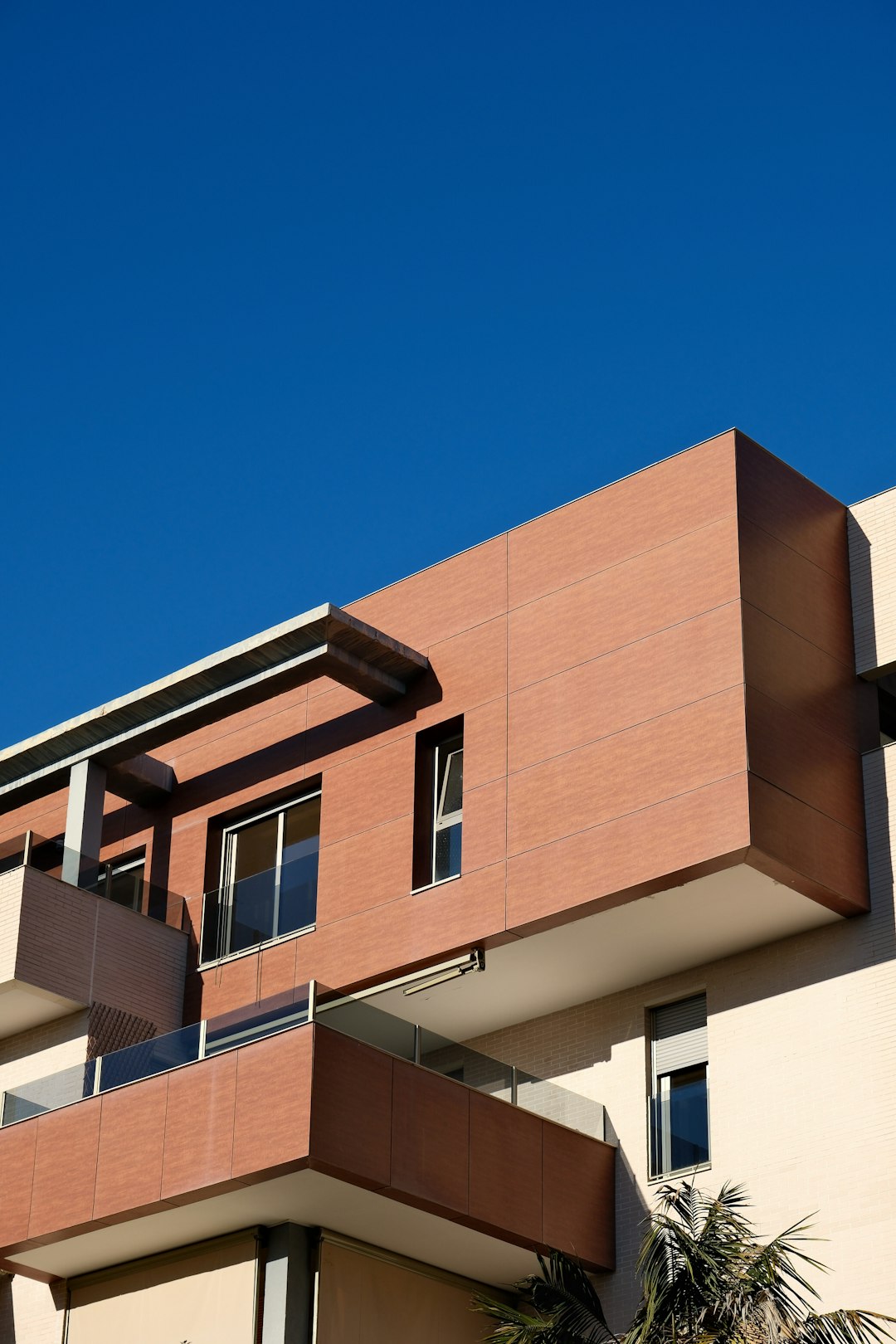
Your roof is one of the most important components of your home, yet it’s often overlooked until something goes wrong. Modern roofing solutions have evolved far beyond traditional shingles and basic waterproofing. Today’s homeowners have access to innovative materials, energy-efficient systems, and long-lasting technologies designed to protect their investment while enhancing curb appeal. Understanding these options can help you make informed decisions that balance quality, cost, and longevity.
TLDR: Modern roofing solutions offer homeowners a wide range of durable, energy-efficient, and visually appealing options. From asphalt shingles to metal, tile, and synthetic materials, each system varies in cost, lifespan, and maintenance needs. Quality installation and proper ventilation are just as important as the material itself. Choosing the right roof involves balancing budget, climate conditions, and long-term performance.
Why Roofing Quality Matters More Than Ever
A roof does much more than simply cover your home. It protects against rain, wind, snow, heat, and even fire. In today’s climate of extreme weather events and increasing energy costs, roofing quality has become a critical factor in home resilience and efficiency.
High-quality roofing systems:
- Improve energy efficiency by reflecting heat and enhancing insulation
- Increase property value with durable and attractive materials
- Reduce long-term maintenance costs
- Enhance structural integrity by preventing water infiltration
A poorly installed or outdated roof can lead to leaks, mold growth, insulation damage, and even structural weakening. Modern solutions address these risks proactively with advanced materials and installation techniques.
Popular Modern Roofing Materials Explained
Homeowners today can choose from a variety of roofing materials, each with unique benefits and considerations. Here’s a closer look at the most common options.
1. Asphalt Shingles
Asphalt shingles remain the most popular roofing material in North America. They are affordable, relatively easy to install, and available in a range of styles and colors.
Advantages:
- Budget-friendly upfront cost
- Wide variety of aesthetic options
- Typically 20–30 year lifespan
Considerations:
- Shorter lifespan compared to premium materials
- Can be vulnerable to extreme weather
Modern architectural shingles offer enhanced durability and dimensional appearance, making them more visually appealing than traditional three-tab varieties.
2. Metal Roofing
Metal roofing has gained significant popularity due to its durability and modern appearance. It can be made from steel, aluminum, copper, or zinc.
Advantages:
- Exceptional lifespan of 40–70 years
- Fire resistant and highly durable
- Reflects sunlight, improving energy efficiency
- Low maintenance requirements
Considerations:
- Higher initial cost
- May require specialized installation expertise
Modern metal roofs are far quieter than older versions, thanks to improved underlayment systems.
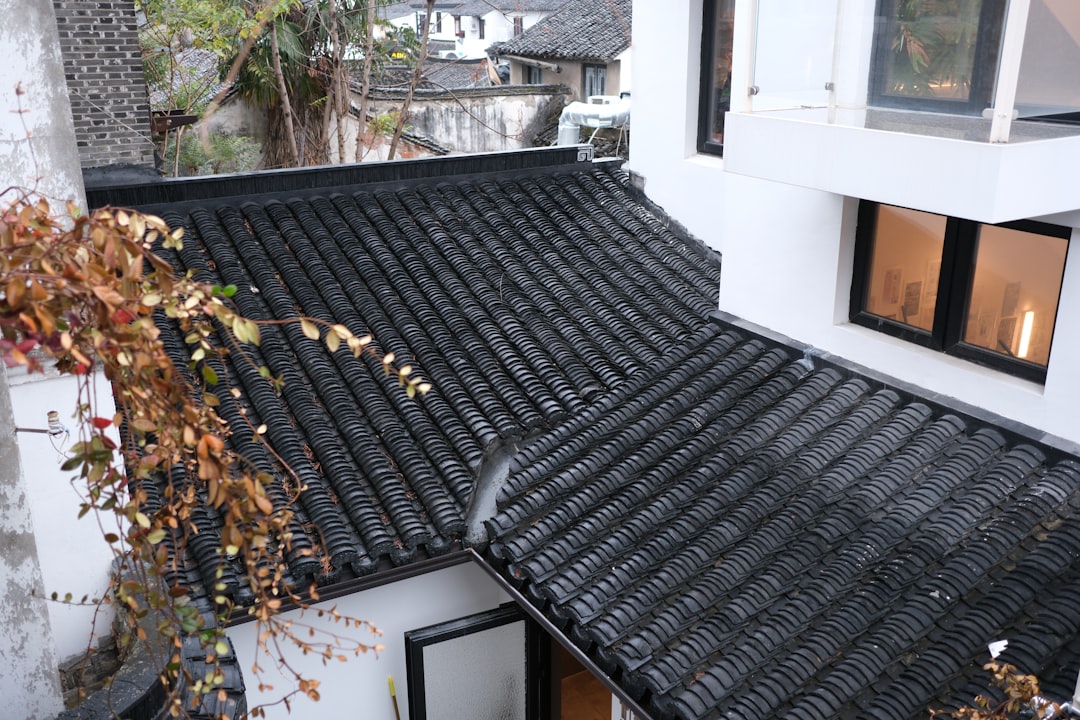
3. Clay and Concrete Tiles
Clay and concrete tiles are known for their distinctive style, particularly in Mediterranean and Spanish-inspired homes.
Advantages:
- Lifespan of 50+ years
- Excellent resistance to fire and harsh weather
- Exceptional aesthetic appeal
Considerations:
- Heavy weight may require structural reinforcement
- Higher installation costs
While more expensive, tile roofing offers timeless beauty and longevity that can justify the investment.
4. Synthetic and Composite Roofing
Synthetic materials mimic the appearance of wood shake, slate, or tile while offering improved durability and lighter weight.
Advantages:
- Often more affordable than natural alternatives
- Lower maintenance requirements
- Resistant to cracking and mold
Considerations:
- Quality varies significantly by manufacturer
- May not match the exact authenticity of natural materials
5. Slate Roofing
Natural slate is one of the most durable roofing materials available.
Advantages:
- Can last over 100 years
- Natural, elegant appearance
- Highly resistant to fire and weather
Considerations:
- Very heavy and expensive
- Requires specialized installers
Energy Efficiency and Cool Roofing Technology
Energy costs are rising, making roofing systems an important consideration for household efficiency. Modern roofing solutions often incorporate cool roof technology, designed to reflect more sunlight and absorb less heat.
This technology can:
- Lower indoor cooling costs
- Reduce urban heat island effects
- Extend roof lifespan by minimizing heat damage
Reflective coatings and lighter-colored materials particularly benefit homes in warm climates. Some roofing products are ENERGY STAR® certified, making them eligible for rebates or tax incentives.
The Importance of Proper Installation
Even the highest-quality material can fail if not properly installed. Roofing installation involves more than laying shingles or panels. A complete system includes:
- Underlayment for moisture protection
- Flashing around chimneys, vents, and valleys
- Ventilation systems to prevent heat and moisture buildup
- Drip edges and gutters for water control
Poor workmanship often voids manufacturer warranties. Choosing a licensed, insured, and experienced contractor ensures the roof performs as intended.
Ventilation and Insulation: The Hidden Factors
Roof longevity depends heavily on attic ventilation and insulation. Without proper airflow, heat and moisture can accumulate, leading to premature shingle deterioration, mold growth, and increased energy bills.
A well-ventilated system typically includes:
- Soffit vents for intake
- Ridge or attic vents for exhaust
- Balanced airflow design
This hidden infrastructure protects your investment and contributes significantly to overall comfort inside the home.
Understanding Roof Lifespan and Maintenance
No roofing material lasts forever, but proper maintenance can significantly extend lifespan.
Typical lifespans:
- Asphalt shingles: 20–30 years
- Metal roofing: 40–70 years
- Clay or concrete tile: 50+ years
- Slate: 75–100+ years
Routine maintenance should include:
- Annual inspections
- Clearing debris from gutters
- Checking flashing and seals
- Addressing minor repairs promptly
Ignoring small issues, such as cracked shingles or loose flashing, can lead to costly structural damage over time.
Storm Resistance and Climate Considerations
Your geographic location heavily influences the best roofing choice.
In hurricane-prone areas:
- Impact-resistant shingles
- Metal roofing with strong fasteners
In snowy climates:
- Durable materials with strong load-bearing capacity
- Proper insulation to prevent ice dams
In hot, sunny regions:
- Reflective roofing materials
- UV-resistant coatings
Matching the roofing system to your environment increases both performance and longevity.

Cost vs. Long-Term Value
Homeowners often focus on upfront cost, but long-term value is equally important. A cheaper roof may need replacement sooner, potentially costing more over decades.
When evaluating cost, consider:
- Material price
- Installation labor
- Expected lifespan
- Maintenance requirements
- Energy savings
For example, while metal roofing costs more initially, its durability and energy efficiency often offset long-term expenses. Similarly, premium architectural shingles may offer better wind resistance and longer warranties compared to basic options.
Warranties and What They Really Mean
Modern roofing products typically include manufacturer warranties ranging from 20 years to lifetime coverage. However, homeowners should carefully read the details.
Important considerations include:
- Is the warranty material-only or does it cover labor?
- Are transfer options available if you sell your home?
- What maintenance is required to keep the warranty valid?
A strong warranty often reflects manufacturer confidence—but only if installation guidelines are strictly followed.
Emerging Trends in Roofing Technology
The roofing industry continues to innovate. Some exciting modern developments include:
- Solar-integrated roofing that blends energy production directly into shingles
- Green roofing systems featuring vegetation for urban sustainability
- Impact-resistant materials engineered for extreme weather resilience
- Advanced moisture barriers and smart leak detection systems
These innovations not only improve durability but also contribute to environmental sustainability and lower energy consumption.
Making the Right Choice for Your Home
Selecting a roofing system involves balancing aesthetics, performance, budget, and climate factors. Asking the right questions can simplify the process:
- How long do I plan to stay in this home?
- What weather challenges are common in my area?
- Is energy efficiency a top priority?
- What level of maintenance am I comfortable with?
Consulting a reputable roofing professional for a detailed inspection and estimate ensures that your decision aligns with both immediate needs and future goals.
Final Thoughts
Modern roofing solutions offer more than just protection—they deliver style, sustainability, and long-term value. Whether you choose asphalt shingles for affordability, metal for durability, or tile for timeless elegance, the key lies in combining quality materials with expert installation and proactive maintenance. A well-chosen roof can last decades, improve energy efficiency, and enhance your home’s appearance. For homeowners willing to invest thoughtfully, the result is not just a roof overhead—but reliable protection and peace of mind for years to come.