
In the world of sewing and textile design, the way fabric pieces are joined together significantly affects not only the durability and aesthetics of a garment, but also its function. This often-overlooked aspect of construction is where Nahttypen—the types of seams—come into play. Whether you’re designing couture fashion or crafting home textiles, understanding seams is crucial for bringing your designs to life.
TLDR (Too long, didn’t read)
Seams, or Nahttypen, are essential to sewing and textile design because they determine how fabric pieces are joined together. Different types of seams serve different purposes—some offer strength, others flexibility, and some are purely decorative. Choosing the right seam type ensures the longevity, fit, and functionality of a garment or textile piece. Mastering seam techniques is critical for anyone involved in fabric construction, from amateur hobbyists to professional designers.
What Are Nahttypen?
Nahttypen refers to the various types of seams used in sewing. A seam is the join where two or more pieces of fabric are stitched together. The type of seam used can greatly influence the final product in terms of strength, comfort, appearance, and elasticity.
Since different projects and materials have different needs, there are many kinds of seams designed for specific purposes. Some seams are mostly functional, while others are also decorative elements in fashion and design.
Categories of Seams
Seams can be categorized in several ways depending on their structure and function. Here are a few main categories:
- Basic Seams: These include plain seams typically used in most garments and home textiles.
- Structural Seams: Created to provide shape or reinforcement, such as princess seams or dart seams.
- Decorative Seams: Used primarily for visual effects, often seen in high-fashion or visible seam construction.
- Specialty Seams: Designed for specific uses such as waterproof seams or stretch seams for activewear.
Common Types of Seams and Their Uses
Let’s take a closer look at the most widely used Nahttypen in both fashion and practical applications:
1. Plain Seam
This is the most common and simplest seam, in which two pieces of fabric are placed right sides together and stitched along the edge. Seam allowances are pressed open.
Use: Suitable for most woven fabrics, used in garments like dresses, shirts, and trousers.
2. French Seam
A two-step seam that encloses the raw edges of the fabric inside the seam itself for a neat finish without a serger.
Use: Ideal for lightweight and delicate fabrics like silk, chiffon, and voile.
3. Flat-Felled Seam
This is a strong, durable seam where one seam allowance is folded over the other and stitched down flat. It encloses raw edges completely.
Use: Commonly used in denim garments like jeans, as well as sportswear and workwear for added strength.
4. Overlocked or Serged Seam
Using a serger machine, the fabric edges are trimmed and sewn in one go. This seam reduces fraying and creates a flexible join.
Use: Best for knitwear and projects needing stretch and clean finishes inside.
5. Bound Seam
This involves wrapping the seam edge with bias tape or another fabric to seal it off. It adds both durability and decorative flair.
Use: Frequently seen in unlined jackets, coats, or high-end garments to provide an elegant interior finish.
6. Lapped Seam
In this seam, one edge of fabric overlaps the other, and multiple rows of stitches anchor it down.
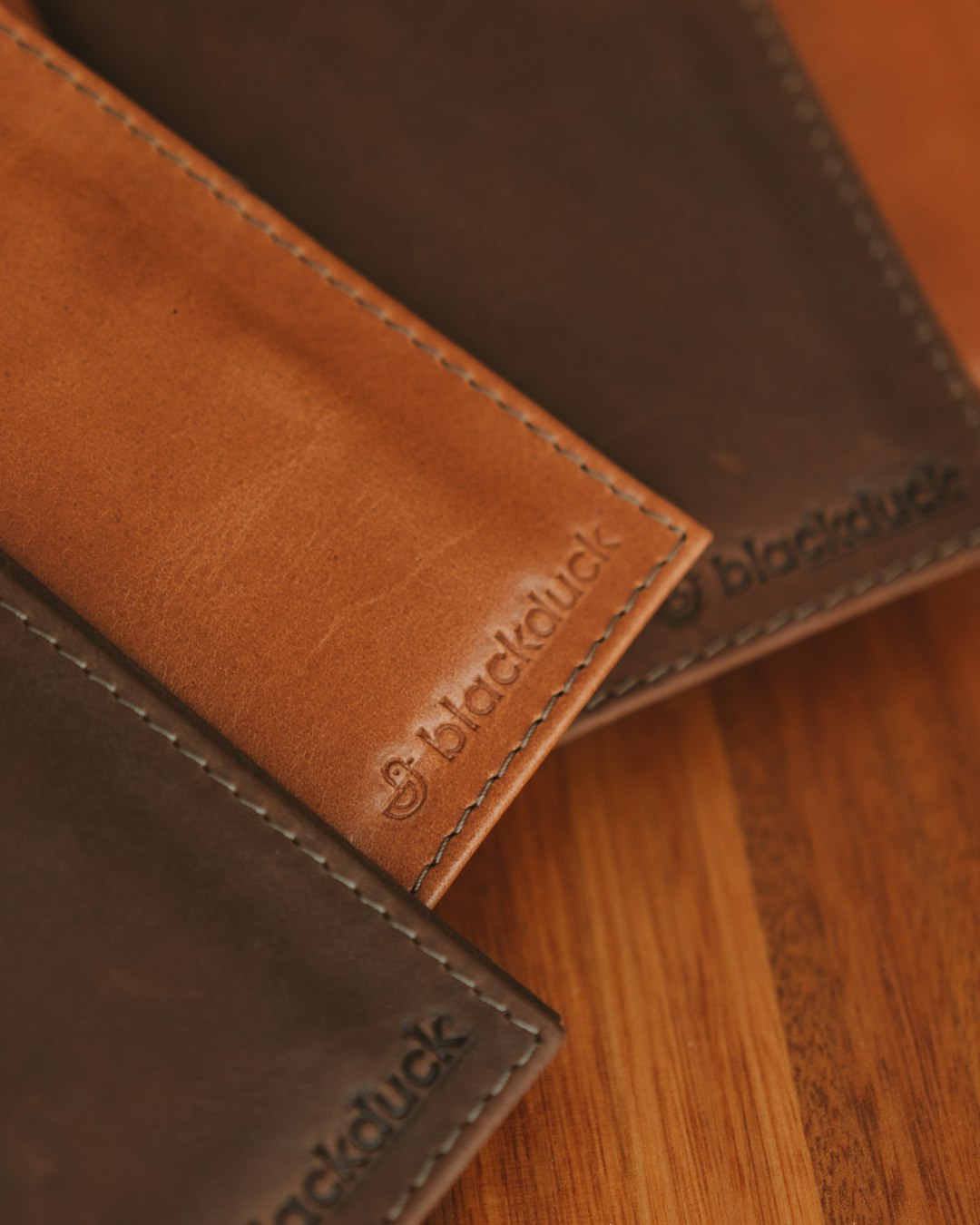
Use: Found in heavy fabrics like leather or in outdoor gear where extra strength and water resistance are required.
Factors That Influence Seam Selection
Choosing the right seam type depends on several factors, including:
- Fabric Type: Lightweight fabrics may need delicate seams, while thicker or stretchy fabrics need more robust or elastic options.
- Garment Purpose: Sportswear requires flexibility; formalwear might prioritize elegance and cleanliness of seams.
- Durability Needs: Items subject to frequent washing or strain need reinforced or multi-row seams.
- Aesthetic Goals: Decorative seams can enhance or define a garment’s style and silhouette.
Importance of Seam Finishing
Raw fabric edges can fray over time, damaging the structure of a garment or textile item. That’s why finishing a seam is just as important as stitching it. Popular seam finishing methods include:
- Serging or Overlocking
- Zigzag Stitch
- Bias Binding
- Pinking Shears
- Turned and Stitched Edges
Innovations and Seam Technology
The textile and garment industry continues to evolve with new seam technologies. Today, laser-sealed seams, ultrasonic welding, and bonded seams (using adhesives) are increasingly used in technical apparel, such as activewear, swimwear, and outdoor clothing.
These seams reduce bulk, enhance waterproofing, or improve stretch, opening new possibilities for both function and form in modern design.
How to Practice and Master Seam Techniques
For beginner and intermediate sewists, mastering Nahttypen involves:
- Practice: Use fabric scraps to practice different seams before applying them to a finished piece.
- Use Patterns: Many commercial sewing patterns recommend specific seam types for different parts of a garment.
- Sewing Classes and Tutorials: Online platforms and local workshops often teach seam techniques from basic to advanced levels.
- Learn to Press: Pressing seams properly with an iron is essential to get that professional look and durability.
Nahttypen in Fashion and Design Aesthetics
Beyond function, certain seam types contribute significantly to fashion aesthetics. French seams convey craftsmanship and elegance. Visible top-stitched seams can form part of the garment’s design narrative, especially in avant-garde or streetwear fashion.
Decorative Seams: Use contrasting thread colors or special stitching techniques like double needle or embroidery to turn seams into prominent design elements.
Conclusion
Nahttypen are much more than mere structural necessities; they are foundational elements that influence the performance, longevity, and beauty of textiles. Whether it’s a simple plain seam or an advanced bonded seam for high-tech garments, every stitch plays a role in the final result. Understanding and mastering them not only improves your sewing skills but also elevates your appreciation of textile design as both an art and a science.
So the next time you admire a garment or a piece of fabric art, take a closer look—you may just discover that the seams are the unsung heroes behind their form and function.