
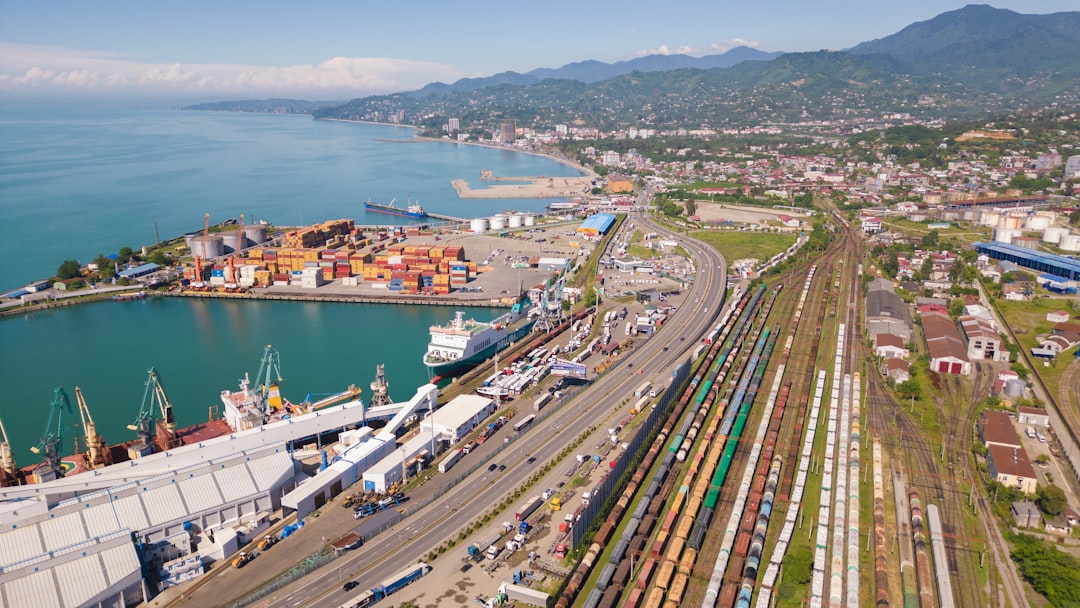
In a global marketplace driven by speed, precision, and cost control, logistics has evolved from a back-end operation into a strategic advantage. Companies that move goods efficiently consistently outperform competitors in customer satisfaction and profitability. One solution rapidly gaining attention is the private freight terminal—a dedicated logistics hub designed to streamline cargo handling, reduce bottlenecks, and increase overall supply chain performance.
TLDR: A private freight terminal is a dedicated logistics facility that enables businesses to manage freight more efficiently, reduce costs, and gain greater control over supply chains. By centralizing operations such as storage, loading, customs processing, and intermodal transfers, companies minimize delays and optimize transportation flow. Advanced technology integration further improves visibility and decision-making. Ultimately, private freight terminals create faster, more resilient, and scalable logistics networks.
What Is a Private Freight Terminal?
A private freight terminal is a logistics facility owned or exclusively operated by a company or consortium rather than being part of a public port or shared freight yard. It serves as a controlled environment where cargo is received, stored, sorted, transferred, and dispatched via road, rail, sea, or air connections.
Unlike public terminals, which handle cargo for multiple unrelated companies, private terminals focus on specific supply chain needs. This specialization allows organizations to:
- Customize infrastructure for specific cargo types
- Implement tailored security protocols
- Integrate proprietary technology systems
- Maintain predictable scheduling
The result is a streamlined, purpose-built operation aligned with business objectives rather than general traffic demands.
Core Components of a Private Freight Terminal
Private freight terminals combine infrastructure, technology, and operational expertise. Key components often include:
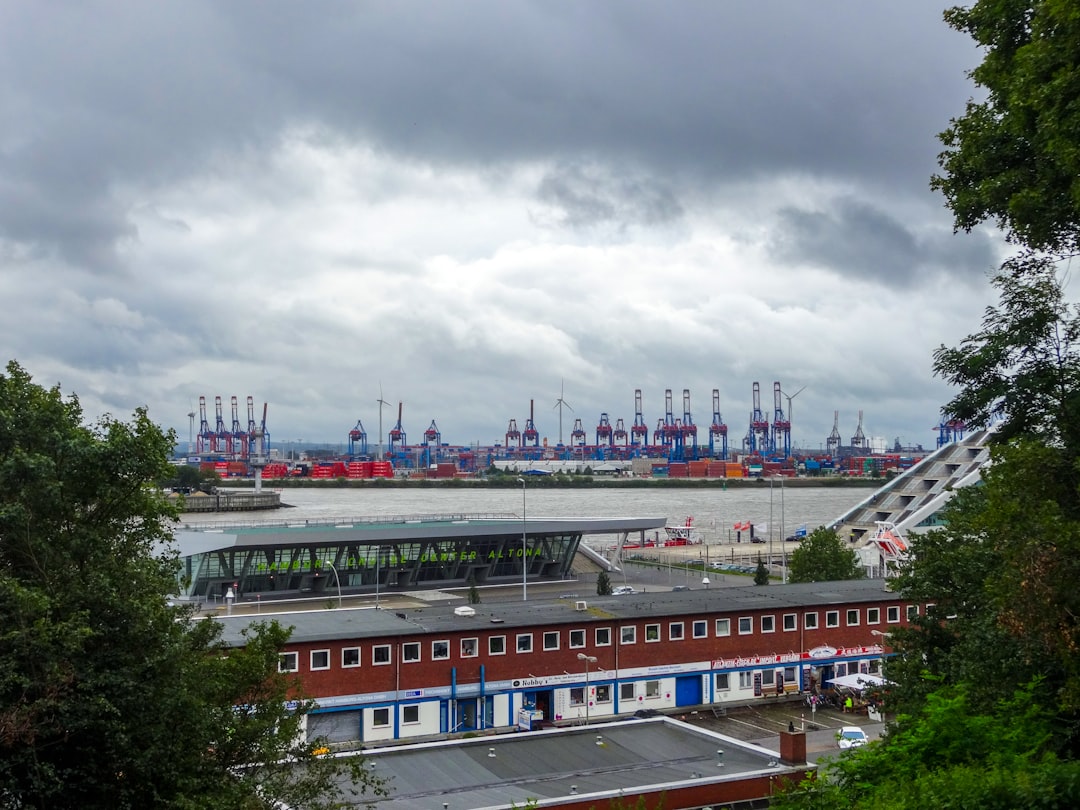
- Loading and Unloading Docks: Equipped for rapid transfer between transport modes.
- Warehousing Facilities: Climate-controlled or specialized storage options.
- Intermodal Connections: Rail spurs, trucking lanes, and port access.
- Customs Clearance Zones: For international freight processing.
- Security Systems: Surveillance, access controls, and compliance protocols.
- Logistics Management Software: Real-time tracking and analytics tools.
By integrating these components into one synchronized environment, companies reduce fragmentation—a major source of delays and inefficiency in traditional logistics systems.
How Private Freight Terminals Optimize Logistics
1. Reduced Transit Times
Shared terminals often suffer from congestion, scheduling conflicts, and resource limitations. A private facility eliminates these issues by prioritizing internal shipments. Trucks and railcars move more rapidly through loading bays, and cross-docking operations reduce unnecessary storage delays.
2. Improved Inventory Management
With on-site warehousing integrated into transportation operations, goods can move seamlessly from storage to outbound shipping. Real-time visibility through warehouse management systems enables businesses to:
- Monitor stock levels instantly
- Prevent overstocking or shortages
- Improve demand forecasting accuracy
3. Enhanced Data Visibility
Digital tools embedded within private terminals capture freight data continuously. Managers gain insight into:
- Arrival and departure times
- Handling times per shipment
- Equipment utilization rates
- Fuel consumption and emissions
This high level of transparency supports informed decision-making and ongoing process improvement.
Strategic Advantages for Businesses
Investing in a private freight terminal is not merely an operational decision—it’s a strategic move that shapes market positioning.
Cost Efficiency
Although initial development costs may be significant, long-term savings often justify the investment. Reduced handling fees, minimized demurrage charges, lower detention costs, and streamlined labor allocation contribute to measurable financial gains.
Supply Chain Resilience
Global disruptions—from pandemics to geopolitical tensions—have exposed vulnerabilities in shared logistics networks. Private terminals offer insulation from public congestion and capacity shortages, ensuring continuity even during high-demand periods.
Competitive Differentiation
Faster delivery timelines and consistent performance help companies stand out. In industries such as retail, manufacturing, and e-commerce, reduced lead times translate directly into stronger customer loyalty.
Technology Driving Modern Freight Terminals
Advanced technologies are central to optimizing a private freight terminal. Automation and digital connectivity enhance both speed and accuracy.
Image not found in postmeta- Automated Guided Vehicles (AGVs): Move containers efficiently across yards.
- RFID and Barcode Scanning: Ensure precise cargo identification.
- AI-Powered Forecasting Tools: Predict shipment volumes and optimize staffing.
- IoT Sensors: Monitor environmental conditions for sensitive goods.
- Cloud-Based Dashboards: Provide real-time performance analytics.
When integrated properly, these technologies reduce human error, lower labor costs, and accelerate throughput times.
Private vs. Public Freight Terminals: A Comparison
To understand the true value of private terminals, it helps to compare them against public alternatives.
| Feature | Private Freight Terminal | Public Freight Terminal |
|---|---|---|
| Access Control | Exclusive or limited users | Open to multiple companies |
| Customization | Fully tailored infrastructure | Standardized facilities |
| Scheduling Priority | Internal priority handling | Shared scheduling queues |
| Congestion Risk | Low (controlled volume) | Higher during peak demand |
| Capital Investment | High upfront cost | Lower initial financial commitment |
| Operational Flexibility | High | Moderate |
This comparison highlights that while private terminals require greater upfront capital, they offer superior control, efficiency, and long-term scalability.
Industry Applications
Private freight terminals are particularly beneficial in industries with high-volume or specialized cargo requirements.
Manufacturing
Manufacturers rely on just-in-time delivery systems. A private terminal ensures raw materials arrive and finished products depart without production interruptions.
Retail and E-Commerce
Fast fulfillment is critical in today’s competitive retail environment. Dedicated terminals expedite inbound inventory and outbound distribution to regional hubs.
Agriculture and Energy
Bulk commodities such as grain, oil, and chemicals require specialized handling equipment. Private terminals can be designed with appropriate storage tanks, silos, or transfer pipelines.
Image not found in postmetaSustainability and Environmental Impact
Modern private freight terminals increasingly prioritize sustainability. Optimized routing and reduced idle times lower fuel consumption. Many facilities now incorporate:
- Electric yard vehicles
- Solar-powered warehouses
- Energy-efficient lighting systems
- Green building certifications
By consolidating shipments and improving intermodal transfers—especially shifting freight from road to rail—companies significantly reduce carbon emissions.
Challenges and Considerations
Despite their advantages, private freight terminals require careful planning. Businesses must evaluate:
- Location strategy – Proximity to suppliers, customers, and transportation networks.
- Capital expenditure – Construction, equipment, and technology costs.
- Regulatory compliance – Environmental and safety requirements.
- Scalability – Capacity for future growth.
A detailed feasibility study helps determine whether long-term operational gains justify initial investment.
The Future of Private Freight Terminals
As global commerce expands and customer expectations accelerate, control over logistics infrastructure will become increasingly valuable. Emerging trends such as autonomous trucks, blockchain-based tracking systems, and predictive analytics will further enhance private terminal efficiency.
Additionally, geopolitical uncertainty and shifting trade routes may encourage more companies to internalize critical logistics capabilities. Private terminals provide flexibility to adapt quickly to regulatory changes or new market demands.
Conclusion
A private freight terminal represents far more than a storage and transfer facility—it is a strategic logistics powerhouse. By integrating infrastructure, technology, and operational control into a unified system, businesses dramatically improve supply chain efficiency. Reduced transit times, enhanced data visibility, cost savings, and resilience against disruption make private terminals a compelling investment for growth-oriented organizations.
In an era where speed and reliability define success, companies that control their logistics destiny through dedicated freight terminals position themselves at the forefront of innovation and competitiveness. As supply chains grow increasingly complex, the private freight terminal stands out as a decisive tool for optimizing performance and strengthening market leadership.