
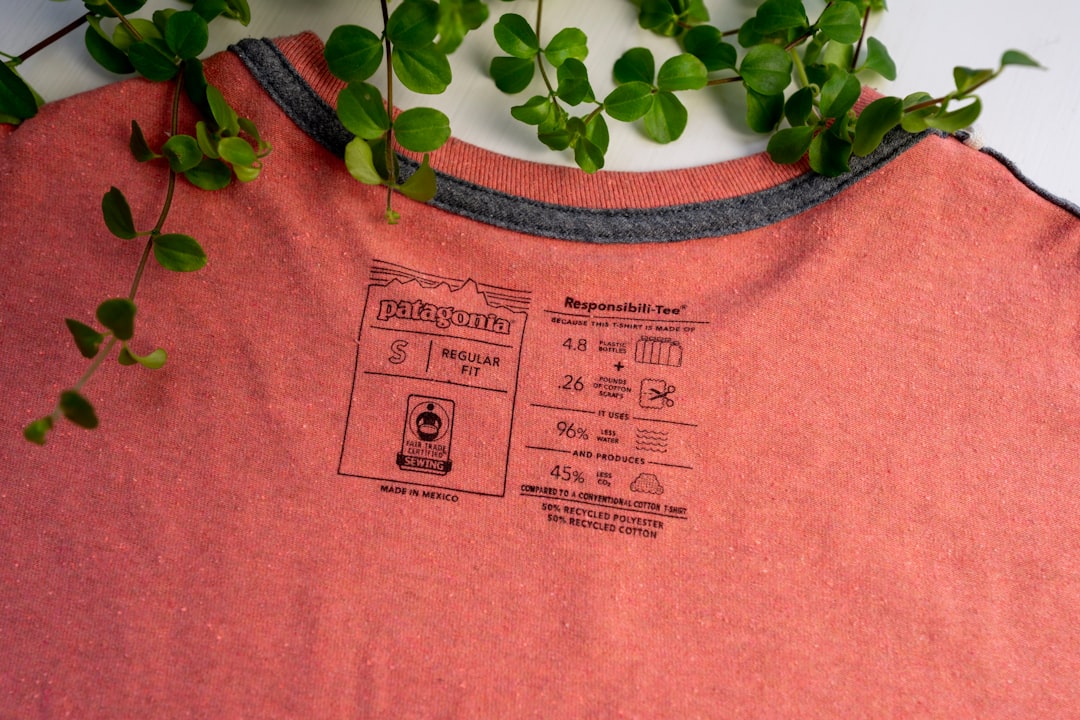
The fashion and apparel industry is undergoing a powerful transformation, driven by an urgent demand for sustainability and ethical production. Among the most popular garments in both retail and wholesale sectors are hoodies — versatile, easy to wear, and universally loved. However, traditional hoodie manufacturing processes often involve materials and practices that harm the environment. In response, a growing number of brands and suppliers are turning to sustainable materials to create wholesale hoodies that are stylish, functional, and eco-conscious.
TLDR
Sustainable materials in wholesale hoodies are rapidly gaining traction as both consumers and businesses demand more eco-friendly options. Fabrics like organic cotton, recycled polyester, and bamboo are leading the way due to their lower environmental footprint. Ethical suppliers are now incorporating sustainable practices into their production lines, offering high-quality hoodies made with renewable or recycled materials. Understanding these materials and knowing which suppliers are genuinely committed to sustainability is key to making responsible business decisions.
The Need for Sustainable Hoodie Materials
The fashion industry is responsible for approximately 10% of global carbon emissions and is the second-largest consumer of the world’s water supply. Hoodies, despite their casual appeal, contribute significantly to this environmental burden when made with conventional fabrics like non-organic cotton and virgin polyester. The shift toward sustainability is not only a trend but a necessary evolution in bulk textile production.
What Makes a Material Sustainable?
A fabric is generally considered sustainable based on four main criteria:
- Resource Efficiency: Low water, land, and energy consumption during cultivation or production.
- Non-Toxicity: Free from harmful dyes, pesticides, and chemicals.
- Biodegradability: Able to break down naturally without causing pollution.
- Reusability or Recyclability: Capable of being reused or made from recycled inputs.
Popular Eco-Friendly Materials for Wholesale Hoodies
Several eco-conscious textiles are making a name for themselves in the wholesale hoodie space. Below are some of the most widely adopted sustainable fabrics:
1. Organic Cotton
Organic cotton is grown without the use of synthetic pesticides or genetically modified seeds. It uses significantly less water compared to conventional cotton and preserves soil health.
Benefits:
-
<liSoft and breathable material
- Reduced water and chemical usage
- Biodegradable and compostable
2. Recycled Polyester (rPET)
Recycled polyester is made from post-consumer plastic waste such as PET bottles. Although it is not biodegradable, it solves the problem of plastic waste by giving it a second life.
Benefits:
- Reduces landfill waste
- Lowers energy usage compared to virgin polyester
- Durable and moisture-wicking
3. Bamboo Fabric
Bamboo grows rapidly and requires minimal water, making it one of the most renewable plant sources available. The bamboo fabric is known for its softness and antibacterial properties.
Benefits:
- Antimicrobial and hypoallergenic
- Fast-growing with low environmental footprint
- Silky texture and high breathability
4. Hemp
Hemp is another robust natural fiber that grows quickly and without the need for pesticides. It enriches the soil and can be blended with other fabrics for softness.
Benefits:
- Strong and durable fiber
- Carbon-negative crop
- Exceptional thermal regulation
Innovative Blends and Textiles
Some manufacturers are also utilizing blend fabrics that combine different sustainable materials — for example, a mix of organic cotton and recycled polyester — to achieve optimal performance and comfort while maintaining environmental integrity. New innovations like TENCEL™ (made from sustainably harvested wood pulp) are also entering the hoodie market, offering smooth textures and moisture management capabilities.
Certifications to Look For
Not all claims of sustainability are equal. At the wholesale level, verifying certification is critical to authenticating material origins and production practices. Here are a few trustworthy certifications to look for when sourcing sustainable hoodies:
- GOTS (Global Organic Textile Standard): Ensures organic fibers and compliance with social standards.
- OEKO-TEX® Standard 100: Tests for harmful substances in textiles.
- GRS (Global Recycled Standard): Verifies recycled content and ethical practices.
- Fair Trade Certified™: Ensures fair labor conditions and wages.
Choosing the Right Supplier: Key Considerations
Working with the right supplier is crucial when you’re aiming to stock or produce eco-friendly wholesale hoodies. Here are a few essential factors to evaluate:
1. Transparency and Traceability
Choose suppliers who are willing to provide full transparency on sourcing and manufacturing processes. This includes information about where the raw materials are obtained and how the garments are assembled.
2. Compliance with Environmental Standards
Ensure your supplier complies with international environmental regulations and holds at least one recognized certification (GOTS, OEKO-TEX®, etc.).
3. Logistics and Transportation
It’s easy to overlook the carbon footprint of logistics. Suppliers who offer more regional production and shipping may further reduce the environmental burden.
4. Scalability
While small-batch, artisanal hoodies are wonderful, check if the supplier can handle consistent, large-scale orders needed for wholesale purposes without compromising sustainability.
Notable Eco-Friendly Hoodie Suppliers
Here are a few suppliers and brands that are making a serious effort to incorporate sustainability into their wholesale hoodie operations:
- Stanley/Stella: Based in Belgium, this company uses 100% organic cotton and recycled materials, with certifications like GOTS and GRS. They are known for their transparency and ethical approach.
- Alternative Apparel: Offers hoodies made from organic cotton and recycled blends. Their factories are WRAP certified, promoting safe and lawful manufacturing.
- Bella+Canvas: Known for eco-dyeing processes and low-water usage, offering hoodies in bulk that emphasize green manufacturing.
- Tentree: While not strictly wholesale, Tentree partners with businesses and corporate orders, planting ten trees for every item sold.
Challenges in Sourcing Sustainable Materials
While promising, sourcing eco-friendly materials for wholesale hoodies still presents several challenges:
- Higher Costs: Sustainable fabrics and ethical labor usually come at a premium compared to fast fashion prices.
- Limited Availability: Eco-conscious fabrics can sometimes have supply chain limitations or long lead times.
- Greenwashing: Some companies claim to be sustainable without real verification or progress, misleading buyers and consumers alike.
Conclusion: The Future of Sustainable Wholesale Hoodies
The move toward sustainable materials in wholesale hoodies is not just a retail trend — it’s a paradigm shift in how we think about fashion production. From organic cotton and recycled polyester to bamboo and hemp, eco-friendly fabrics reduce harm to the planet while offering comfort and durability. With conscientious sourcing, certification verification, and collaboration with reputable suppliers, businesses can make a meaningful impact towards a greener future — one hoodie at a time.
As sustainability continues to shape customer expectations and market standards, it makes sound ethical and economic sense for wholesalers and brands to embrace this movement fully. The next time you place a bulk order for hoodies, make sure you’re not just stocking up — but also stepping up.