
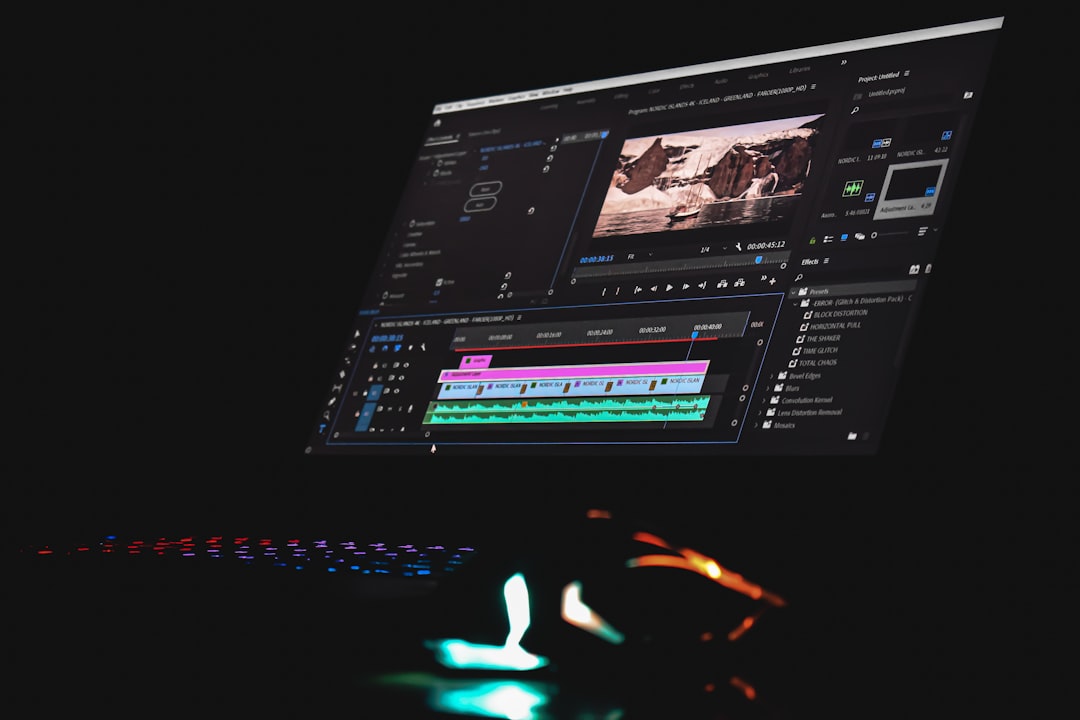
In a digital landscape where video dominates content strategies, creators depend heavily on specialized tools to maintain high-quality visual output. Yet, in recent months, many video content marketers were blindsided when some of their most trusted platforms downgraded export resolutions after plan upgrades or changes. This led to disrupted workflows, lower viewer retention, and a wave of confused subscribers expecting the crisp playback they once knew.
TL;DR: Several top-tier video-content marketing platforms unintentionally downgraded export quality after users switched subscription plans, causing frustration in the creator community. Despite these setbacks, content marketers devised innovative solutions to regain HD and 4K exports. From re-encoding strategies to tool-switching and platform layering, their responses highlight the agility and resilience of modern creators. Read on to discover which tools caused issues — and how these problems were ingeniously solved without losing subscribers.
1. Adobe Premiere Pro – Surprising Changes in Export Defaults
Premiere Pro is a revered standard in video editing. However, several longtime users reported that after switching from an annual plan to a month-to-month plan, default export settings reverted from 4K to 1080p. Even more frustrating, the software saved these lower resolutions as persistent defaults for future projects, leading some creators to unknowingly publish in non-HD formats.
How it affected creators: Subscribers, especially on large displays and smart TVs, noticed lower resolution and commented on the drop in quality. Engagement rates dipped marginally for those unaware of the export downgrade before publishing.
How they solved it:
- Manually reconfigured export settings and saved custom presets
- Used external encoders like Adobe Media Encoder with locked-in 4K templates
- Created a pre-export QA checklist to avoid mishaps
This incident highlighted how even powerhouse tools need constant user checks post-plan adjustments.
2. Canva Pro – A Shock for Social Video Fans
Canva has become a favored platform for quick-turnaround social media videos. After upgrading to a Pro team plan, several users noticed exported videos capped at 1080p, even if source footage was in 2K or 4K. Although Canva isn’t designed for cinematic projects, many creators rely on it for reels, explainers, and promo content.
Primary issue: Video compression and resolution settings were buried in secondary menus, and had changed silently after plan migration.
Creator remedies included:
- Uploading base footage to Canva at native resolution resolutions, then re-exporting using third-party tools for final output
- Switching to more control-oriented video tools for HD critical work
- Doing up-res via Topaz Video AI for crucial sequences
3. Animoto – Automated Simplicity Gone Awry
Animoto is a lifeline for small business marketers lacking professional editing skills. But when creators switched from the Professional to the Team plan, they noticed final video resolution dropped to 720p in auto-render options. Animoto indicated this was a “render load balancing” issue for high-traffic accounts, but creators weren’t notified proactively.
Impacts: Educational YouTubers particularly felt the hit, as text overlays and digital annotations lost clarity.
Restorative steps taken:
- Re-encoded downloaded videos through DaVinci Resolve Free to regain clarity
- Screen-recorded previews using 4K monitors as a crude workaround
- Opened tickets with Animoto to reset resolution priority settings
Transparency became a key demand, with creators asking for settings visibility even in AI-render contexts.
4. WeVideo – Confusion in Plan Tiers and Hidden Codecs
WeVideo appeared on this list not because it downgraded outputs directly, but because of ambiguous plan tier definitions. Several teachers and course creators who upgraded to obtain cloud storage found their 4K exports now had more aggressive compression when uploaded to LMS systems or YouTube platforms.
Reason: The export retained the resolution, but bitrate and codec changed, leading to blockiness in high-motion scenes.
Solutions implemented:
- Ran WeVideo exports through HandBrake with custom bitrate settings before uploading
- Diagnosed codec profiles via MediaInfo to compare pre- and post-upgrade files
- Encouraged WeVideo to publish detailed export matrices by plan tier

5. Kapwing – Cloud Convenience with a Trade-off
Kapwing made waves for its intuitive browser-based editing, but when several video podcasters upgraded for premium stock libraries, they saw renders dropping to 720p. Unlike other tools, Kapwing didn’t notify users directly, and its UI didn’t reflect available versus selected output resolutions until after export.
Creator frustrations: Many had finalized episode edits before noticing, prompting reworks or post-hoc upscaling solutions.
Recovery strategies:
- Rerendering in mixed workstations (editing in Kapwing, exporting via HitFilm)
- Using AI upscaling, despite increased processing time and costs
- Leaving Kapwing for higher-fidelity cloud editors like Clipchamp
This ordeal became a loud industry lesson: convenience should never compromise completion quality — especially when visual fidelity equals credibility.
Maintaining High Standards: What Creators Learned
These tool hiccups serve as reminders that no workflow is fireproof. Subscription transitions—no matter how minor—require validation on critical settings such as export resolution, frame rate, codec, and bitrate.
Key Takeaways:
- Always perform A/B comparisons of exports pre- and post-plan upgrade
- Create a standard export checklist to verify resolution, quality, and metadata
- Keep local backups of successful projects for comparison/reference
Declining export quality doesn’t need to cause subscriber loss. By adapting smart restoration strategies and advocating for clearer platform communication, content creators have not only preserved their audiences — they’ve reinforced their own professionalism.
Frequently Asked Questions
-
Q: Why do export settings change when switching plans?
A: Many platforms dynamically adjust feature sets based on plan level. Sometimes, default or legacy settings are lost, causing unintentional downgrades. -
Q: How can I ensure I export videos in true 4K every time?
A: Use consistent export presets, verify in export preview, and confirm output using tools like MediaInfo or VLC. -
Q: Can I lose subscribers because of slightly lower video quality?
A: If your audience expects HD or professional fidelity, especially in educational or cinematic niches, yes. Even slight drops in clarity can affect viewer trust. -
Q: What tools help restore video quality after compression?
A: Topaz Video AI, DaVinci Resolve, HandBrake, and FFmpeg are commonly used for restoring or adjusting video clarity post-export. -
Q: Should I leave a platform if they silently reduce export quality?
A: Not necessarily. First, raise a support ticket or check documentation. If issues persist without resolution, consider migrating to more transparent alternatives.