
Chronic lung conditions such as chronic obstructive pulmonary disease (COPD), pulmonary fibrosis, and severe asthma continue to challenge patients and healthcare providers worldwide. Despite significant advances in inhaled medications, oxygen therapy, and pulmonary rehabilitation, many individuals still experience persistent symptoms, frequent exacerbations, and declining quality of life. In recent years, a groundbreaking therapeutic innovation known as Tribupneu has emerged, capturing attention for its potential to fundamentally transform respiratory care.
TLDR: Tribupneu is an innovative therapeutic approach designed to improve lung function and reduce inflammation in chronic respiratory diseases. By combining advanced drug delivery systems with targeted mechanisms of action, it addresses limitations of traditional treatments. Early clinical results suggest improved symptom control, fewer exacerbations, and enhanced quality of life. As research progresses, Tribupneu may redefine long-term care for chronic lung conditions.
The Growing Burden of Chronic Lung Disease
Chronic lung diseases are among the leading causes of death and disability worldwide. Conditions like COPD, interstitial lung disease, and severe asthma progressively damage lung tissue, restrict airflow, and compromise oxygen exchange. Patients often report:
- Persistent shortness of breath
- Chronic coughing and mucus production
- Fatigue and limited exercise capacity
- Frequent respiratory infections
Traditional management strategies typically rely on bronchodilators, corticosteroids, and lifestyle interventions such as smoking cessation and pulmonary rehabilitation. While these approaches help control symptoms, they rarely reverse underlying tissue damage or significantly halt disease progression.
This therapeutic gap has driven researchers to explore more targeted and comprehensive solutions, ultimately leading to the development of Tribupneu.
What Is Tribupneu?
Tribupneu is a next-generation therapeutic platform designed specifically for chronic inflammatory and obstructive lung diseases. Rather than focusing solely on symptom relief, it aims to address three core pathological factors common across many respiratory disorders:
- Chronic airway inflammation
- Structural remodeling of lung tissue
- Impaired mucus clearance
The name “Tribupneu” reflects its triple-action mechanism. It integrates advanced biologic modulation, precision-targeted drug delivery, and regenerative support to maximize therapeutic outcomes.
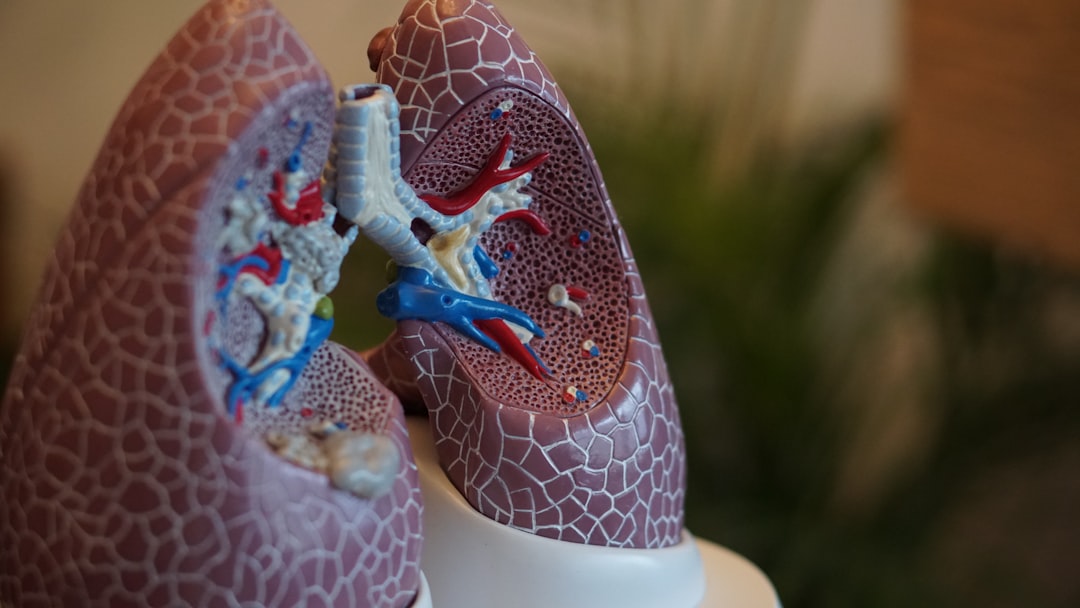
Unlike traditional inhalers that deliver generalized anti-inflammatory effects, Tribupneu uses micro-targeted aerosol particles engineered to penetrate deep lung tissue. This allows medication to reach small airways often inaccessible to conventional therapies.
How Tribupneu Works
The innovation behind Tribupneu lies in its multi-layered treatment architecture. Each layer plays a specific role in improving respiratory health.
1. Precision Anti-Inflammatory Action
Tribupneu incorporates biologically active compounds that selectively target inflammatory pathways known to drive chronic lung damage, such as cytokine overexpression and immune cell hyperactivity. By zeroing in on these pathways, it:
- Reduces excessive airway swelling
- Minimizes flare-ups and exacerbations
- Preserves surrounding healthy tissue
This precision reduces systemic side effects often associated with long-term corticosteroid use.
2. Tissue Remodeling Support
Chronic inflammation can permanently alter lung architecture. Tribupneu includes regenerative-support compounds that encourage cellular repair and reduce fibrotic progression. While not a complete cure, early studies suggest it may slow structural deterioration.
3. Enhanced Mucociliary Clearance
Excess mucus is a hallmark of many respiratory diseases. Tribupneu improves hydration and ciliary function within the airway lining, helping the lungs clear debris more efficiently. Better mucus clearance leads to improved airflow and fewer infections.

Clinical Evidence and Trial Results
Preliminary clinical trials have provided promising data. In controlled studies involving patients with moderate to severe COPD and advanced asthma:
- Participants experienced a measurable improvement in lung function (FEV1 scores)
- Hospitalizations due to exacerbations declined significantly
- Quality-of-life surveys showed enhanced daily functioning
Importantly, side effects were generally mild and localized, such as temporary throat irritation or mild cough during early adaptation periods.
Researchers are now conducting long-term studies to determine whether Tribupneu can meaningfully alter disease progression over several years.
Advantages Over Traditional Therapies
Tribupneu distinguishes itself in several critical ways:
- Targeted delivery: Ensures medication reaches distal airways
- Reduced systemic exposure: Minimizes whole-body side effects
- Integrated approach: Simultaneously addresses inflammation, repair, and mucus control
- Potential disease-modifying capability: Aims beyond symptom suppression
While inhaled steroids and bronchodilators remain foundational therapies, Tribupneu may complement or, in some cases, partially replace aspects of conventional regimens.
Impact on Patients’ Daily Lives
Living with chronic lung disease often means adjusting to limited mobility and unpredictable symptom flare-ups. Tribupneu’s potential to stabilize respiratory function could significantly reshape patient experiences.
For many participants in early trials, improvements included:
- Greater tolerance for exercise and walking
- Reduced dependence on rescue inhalers
- Better sleep due to improved nighttime breathing
- Enhanced psychological wellbeing

By decreasing exacerbation frequency, Tribupneu may also reduce emergency room visits and hospital stays, alleviating both emotional and financial strain for patients and families.
Integration With Personalized Medicine
One of the most exciting aspects of Tribupneu is its compatibility with personalized medicine frameworks. Respiratory diseases vary significantly across individuals. Genetic predisposition, environmental exposures, and immune responses all influence disease patterns.
Tribupneu can be adapted in dosage and composition to align with specific inflammatory profiles. This customization increases the likelihood of optimal therapeutic response while limiting unnecessary exposure.
Combined with diagnostic biomarkers and advanced imaging techniques, clinicians may soon tailor treatment plans that maximize efficacy for each patient.
Challenges and Considerations
Despite its promise, Tribupneu is not without challenges. Healthcare systems must consider:
- Cost and accessibility
- Training requirements for proper device use
- Long-term safety monitoring
- Insurance reimbursement structures
Additionally, more large-scale, multi-year studies are essential to confirm durability of benefits. Chronic lung diseases develop over decades, making long-term outcome data crucial.
However, early indicators suggest that the upfront investment in advanced therapy could potentially reduce overall healthcare expenditures by lowering hospitalization rates and minimizing complications.
The Future of Respiratory Care
The evolution of respiratory medicine is shifting from reactive symptom management toward proactive disease modification. Tribupneu embodies this transformation by addressing biological mechanisms at their core rather than merely suppressing symptoms.
Ongoing research aims to:
- Expand indications to include pulmonary fibrosis and post-viral lung damage
- Integrate digital monitoring systems for real-time response tracking
- Refine aerosol technology for even greater delivery precision
If these developments continue successfully, Tribupneu could become a cornerstone of chronic lung disease management worldwide.
Conclusion
Chronic lung conditions remain among the most persistent and life-altering health challenges globally. For decades, treatment advances have focused largely on symptom mitigation rather than meaningful modification of disease processes. Tribupneu represents a pivotal shift in this paradigm.
By combining precision anti-inflammatory mechanisms, regenerative support, and advanced drug delivery technology, it offers a comprehensive strategy that may significantly improve outcomes for millions of patients. While further research is needed to confirm long-term benefits, the early evidence indicates that Tribupneu is not merely an incremental improvement—it may be a transformative step forward in respiratory medicine.
Frequently Asked Questions (FAQ)
1. What conditions can Tribupneu treat?
Tribupneu is primarily being developed for chronic lung conditions such as COPD, severe asthma, and potentially pulmonary fibrosis. Research is ongoing to expand its use to additional respiratory diseases.
2. Is Tribupneu a replacement for inhalers?
In many cases, Tribupneu is designed to complement existing inhaler therapies. Depending on individual response and disease severity, it may reduce reliance on traditional medications.
3. Are there side effects?
Early trials indicate mostly mild and localized side effects, such as throat irritation or temporary coughing. Comprehensive long-term safety data is still being gathered.
4. How is Tribupneu administered?
It is delivered through a specialized aerosol or inhalation device engineered to distribute medication deeply into the lungs for maximum effectiveness.
5. When will Tribupneu be widely available?
Availability depends on ongoing clinical trials, regulatory approvals, and healthcare system adoption. Broader access is expected as research confirms safety and effectiveness.
6. Can Tribupneu reverse lung damage?
While it may help slow structural deterioration and support tissue repair, it is not considered a full cure. The goal is disease stabilization and improved lung function.
7. Is Tribupneu suitable for all patients with lung disease?
Not necessarily. Suitability depends on disease type, stage, overall health, and physician evaluation. Personalized assessment is essential before starting treatment.