

User experience (UX) design has become one of the most valuable skills in digital product development, focusing on how users interact with and feel about a product. It’s no longer confined to corporate environments or professional software design firms—educational institutions and creative studios are starting to introduce playful ways of learning UX through engaging games. These “UX Games” are changing the way designers learn key principles of usability, accessibility, and interaction design.
TL;DR: UX games are playful tools that teach the principles of user experience design through interactive and engaging formats. They can range from physical card games to app-based simulations, all designed to embed essential UX knowledge. These games foster collaborative learning, creative problem-solving, and a deep understanding of human-centered design. Perfect for classrooms, design teams, or curious self-learners, they make UX education more accessible and fun.
Why Learn UX Design Through Games?
UX design is fundamentally about understanding users and creating solutions that work well for real people. This inherently human-centric field requires empathy, critical thinking, and innovative problem-solving. Games—particularly those designed with UX in mind—offer a fun and effective way to develop these skills by placing learners into simulated design scenarios without the pressure of real-world consequences.
Games also help reinforce abstract concepts through experience. For example, instead of memorizing Jakob Nielsen’s usability heuristics, players can learn to identify these principles through challenges and storytelling-based missions.
Types of UX Learning Games
UX games come in all shapes and sizes. Some are board or card games used in workshops and group settings, while others are digital games that simulate design environments. Below are categories of UX games commonly used:
- Card Games: These typically involve prompts or challenges related to user roles, tasks, or design constraints. Examples include ideation cards or heuristic evaluation decks.
- Board Games: Some games use a traditional board to guide learners through processes like design thinking or usability testing with engaging visuals and gameplay mechanics.
- Digital Simulations: These mimic real-life UX scenarios where learners make design choices and receive feedback based on simulated user behavior.
- Role-Playing Games: Players take on personas such as developers, users, or product managers, learning how cross-functional teams collaborate on UX problems.
Popular UX Learning Games
Several indie studios, educators, and designers have developed compelling games specifically for UX education. Here are some of the most notable ones:
- UX Bites: A deck of cards encouraging quick discussions and brainstorming on various UX scenarios, perfect for sparking ideation in teams.
- Design Thinking Game: A board game that teaches the five phases of design thinking through quests and problem cards, encouraging critical analysis and team strategy.
- Cards Against Complexity: Modeled loosely after Cards Against Humanity, this game addresses confusing interfaces and challenges teams to improve them in creative ways.
- App UX Simulator: A browser-based game that challenges you to create an app prototype and get user approval within a time limit.
What Skills Do UX Games Teach?
While UX design as a discipline spans multiple domains, games tend to focus on core principles that players can immediately practice. These include:
- User Empathy: Understanding user needs through persona- and scenario-based challenges.
- Usability Testing: Learning how to structure tests and interpret feedback from simulated participants.
- Information Architecture: Sorting, organizing, and labeling content via visual tools or card sorting games.
- Problem Framing: Games that encourage defining problems clearly before jumping into solutions.
- Wireframing and Prototyping: Digital platforms often build this into their gameplay, helping players understand the iterative nature of design.
These types of learning experiences activate both the analytical and creative parts of the brain, making the lessons more memorable and transferable to professional environments.
The Power of Collaborative Play
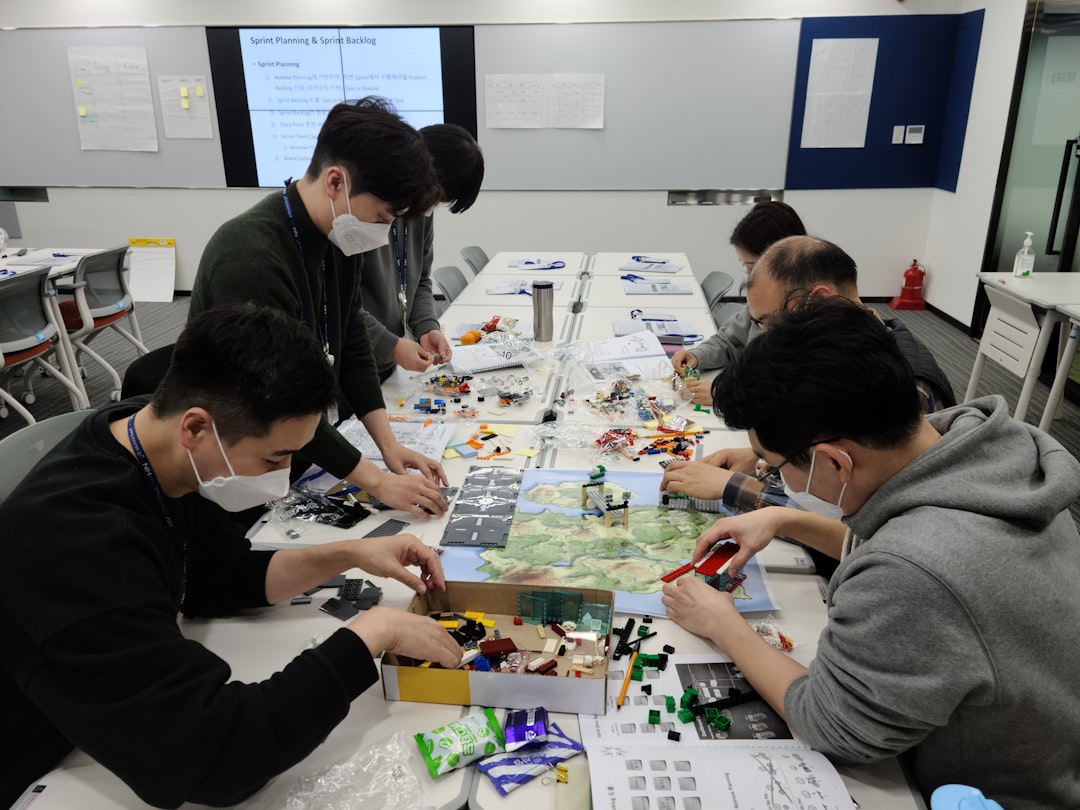
Many UX games are inherently collaborative, designed to be played in small teams. This fosters communication, empathy across roles, and negotiation—just like in real-world UX projects. Players assume different responsibilities, mimic stakeholder roles, and must come to a consensus, all while navigating constraints like time limits, budgets, or user needs.
Educational institutions have begun using these games to enrich UX courses too, allowing students to competently approach projects while having fun. Many professional design workshops now routinely begin with UX games to stimulate thinking and open group discussions.
Designing Your Own UX Game
If you’re feeling inspired, why not create your own UX game? Designing one can be a great portfolio project that not only demonstrates your understanding of UX principles but also your ability to convey them in an educational way. Here are the basic steps:
- Define the learning objectives. What do you want players to walk away knowing?
- Choose a format. Would a card game or a digital simulation suit your goals better?
- Design engaging mechanics. Think puzzles, constraints, and prizes that promote learning.
- Playtest. Run through your game multiple times with others and gather feedback.
- Refine and share. Add polish, design accessible rules, and consider publishing or open-sourcing it.
Creating UX games helps you better understand the material you’re teaching and improves your ability to communicate complex ideas.
Who Can Benefit From UX Games?
UX games aren’t only for students or new designers—they’re beneficial across all levels and industries. Here are some audiences that can gain from using these games:
- Beginner Designers: Introduce fundamental UX principles in a friendly, accessible manner.
- Experienced UX Professionals: Use games to refresh knowledge, spark creativity, or warm up teams before sprints.
- Educators: Incorporate games into curriculums to make theory engaging and interactive.
- Product Managers and Developers: Build empathy for UX decisions and foster team alignment.
- Corporate Trainers: Include games in workshops for team building and skill development.
Limitations to Keep in Mind
While UX games are powerful tools, they are best used as supplements to more comprehensive education. They typically simplify complex concepts for the sake of gameplay, so deeper dives into theory and practical application are still necessary. Additionally, not all games are created equally—some may lack clarity or offer limited engagement. Always review games before using them in professional or educational settings.
Wrapping Up: Play to Learn
Learning UX through games is a growing movement that’s reshaping how we think about education and professional development. It brings human-centered design concepts to life in energetic and memorable ways. Whether you’re a student, a team leader, or a self-taught designer, consider adding a UX game or two to your toolkit.
By embracing this playful approach, you not only absorb critical UX knowledge but also cultivate a design mindset that thrives on collaboration, curiosity, and experimentation.
Next Step? Try out one of the games listed above, or better yet, invent your own. Because when learning meets fun, everyone wins.