
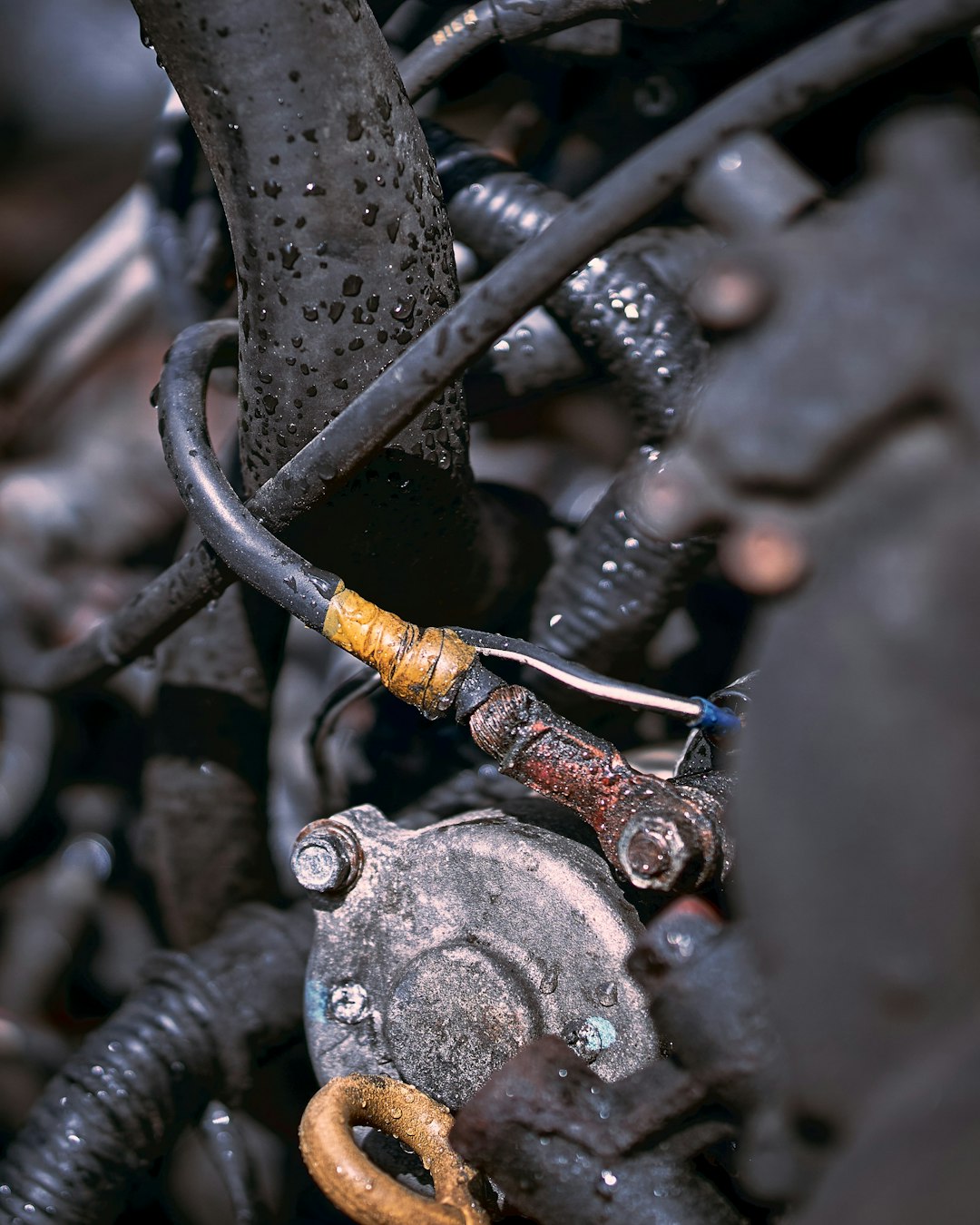
Buying a new car should feel exciting. Not stressful. But sometimes that shiny new ride turns into a daily headache. Strange noises. Warning lights. Trips to the repair shop that never seem to end. That is where lemon laws step in. In 2026, these laws are still a powerful tool for consumers. And understanding what defects qualify can make or break your claim.
TLDR: Lemon laws protect buyers when a new or nearly new vehicle has serious defects the dealer cannot fix after several tries. Common covered problems include engine failure, transmission issues, brake defects, and electrical system malfunctions. In 2026, digital features and EV battery defects are also a big part of claims. Knowing what qualifies and documenting everything is the key to winning compensation or a replacement.
Let’s break it down in a simple way. No legal jargon. Just clear facts.
What Is a Lemon Law?
A lemon law is a state law. It protects consumers who buy or lease defective vehicles. If the car has a serious problem, and the dealer or manufacturer cannot fix it after a “reasonable number” of attempts, you may qualify for:
- A full refund
- A replacement vehicle
- Cash compensation
Each state has slightly different rules. But the basics are similar across the country.
What Makes a Car a “Lemon”?
Not every problem counts. A loose cup holder will not qualify. The defect must:
- Substantially impair the vehicle’s use
- Impact safety
- Reduce the vehicle’s value
- Continue even after multiple repair attempts
In 2026, courts are also looking closely at high-tech failures. Modern cars are basically computers on wheels. Software glitches now matter more than ever.
Most Common Auto Defects Covered in 2026
Let’s look at the problems that most often trigger lemon law claims today.
1. Engine Problems
Engines are still the number one issue. And they are expensive to fix.
- Stalling while driving
- Excessive oil consumption
- Knocking or ticking sounds
- Complete engine failure
If the engine shuts off at highway speed, that is not just annoying. It is dangerous. Safety-related defects are taken very seriously in claims.
2. Transmission Defects
A failing transmission makes driving miserable.
- Jerking when shifting
- Slipping between gears
- Sudden acceleration delays
- Total transmission failure
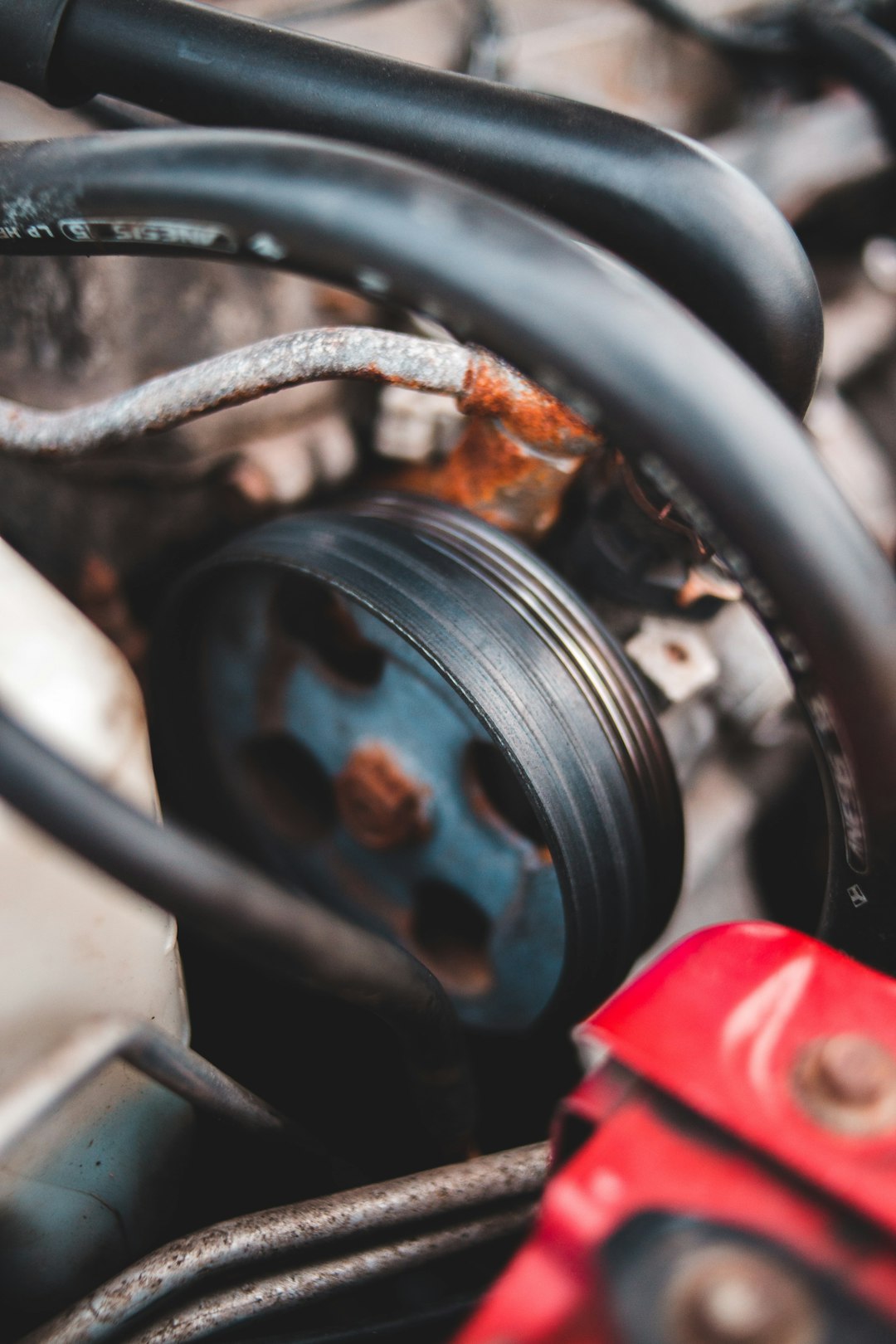
In 2026, many vehicles use advanced automatic and CVT systems. These systems are efficient. But when they fail, they fail hard. Repeated transmission repair attempts are strong lemon law evidence.
3. Brake System Failures
Brake defects are serious. Very serious.
- Soft brake pedal
- Grinding noises
- ABS warning lights that stay on
- Brakes failing to respond
Because brakes are a core safety feature, even a few failed repair attempts may qualify under certain state laws.
4. Electrical System Malfunctions
This category has exploded in recent years.
Modern vehicles rely on complex wiring and computer modules. When the system glitches, strange things happen:
- Screens freezing
- Backup cameras failing
- Dashboard lights flickering
- Vehicle randomly losing power
In 2026, courts recognize that infotainment and digital displays are not just “luxury features.” They often control safety systems too.
5. Electric Vehicle Battery and Charging Issues
EV claims are rising fast.
Common EV-related lemon issues include:
- Rapid battery degradation
- Failure to charge properly
- Sudden range loss
- Vehicle shutting down unexpectedly
Battery packs are incredibly expensive. If repeated repairs cannot fix a major battery defect, manufacturers may be required to replace the vehicle entirely.
Image not found in postmeta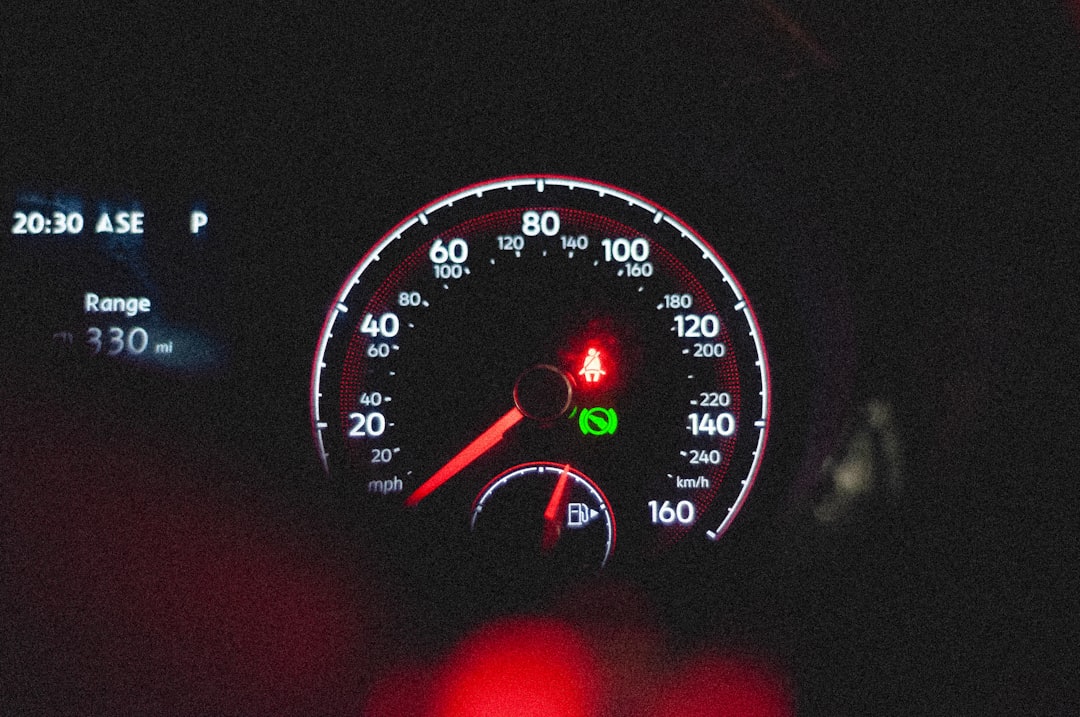
6. Steering and Suspension Problems
Steering should feel smooth. Predictable. Safe.
- Steering wheel vibration
- Vehicle pulling to one side
- Clunking sounds over bumps
- Loss of power steering
Advanced driver assistance systems rely on proper alignment and steering sensors. If these systems fail, it can affect lane-keeping and collision avoidance features.
7. Airbag and Safety System Defects
This is a major category in 2026.
- Airbag warning light staying on
- Airbags failing to deploy
- Sensors malfunctioning
- Seatbelt tensioners not working properly
Any defect involving core safety equipment strengthens a lemon claim significantly.
How These Defects Affect Lemon Law Claims
Now let’s talk strategy. Because having a defect is only step one.
Repair Attempts Matter
Most states require:
- Three to four repair attempts for the same issue, or
- One or two attempts if the defect is life-threatening, or
- The vehicle being out of service for 30 cumulative days
In 2026, digital repair records make it easier to track this. Dealerships log everything electronically. That can help you.
Documentation Is Everything
Always keep:
- Repair invoices
- Work orders
- Emails with the dealer
- Text messages confirming appointments
No paperwork. No strong claim. It is that simple.
Manufacturer Warranties Play a Role
Lemon laws usually apply during the original warranty period. If the defect appears after the warranty expires, it becomes much harder to qualify.
However, some states expanded protections in 2026 to cover certified pre-owned vehicles. This change has helped many used car buyers.
New Trends Affecting Lemon Law Claims in 2026
The auto world is changing. Fast.
Image not found in postmeta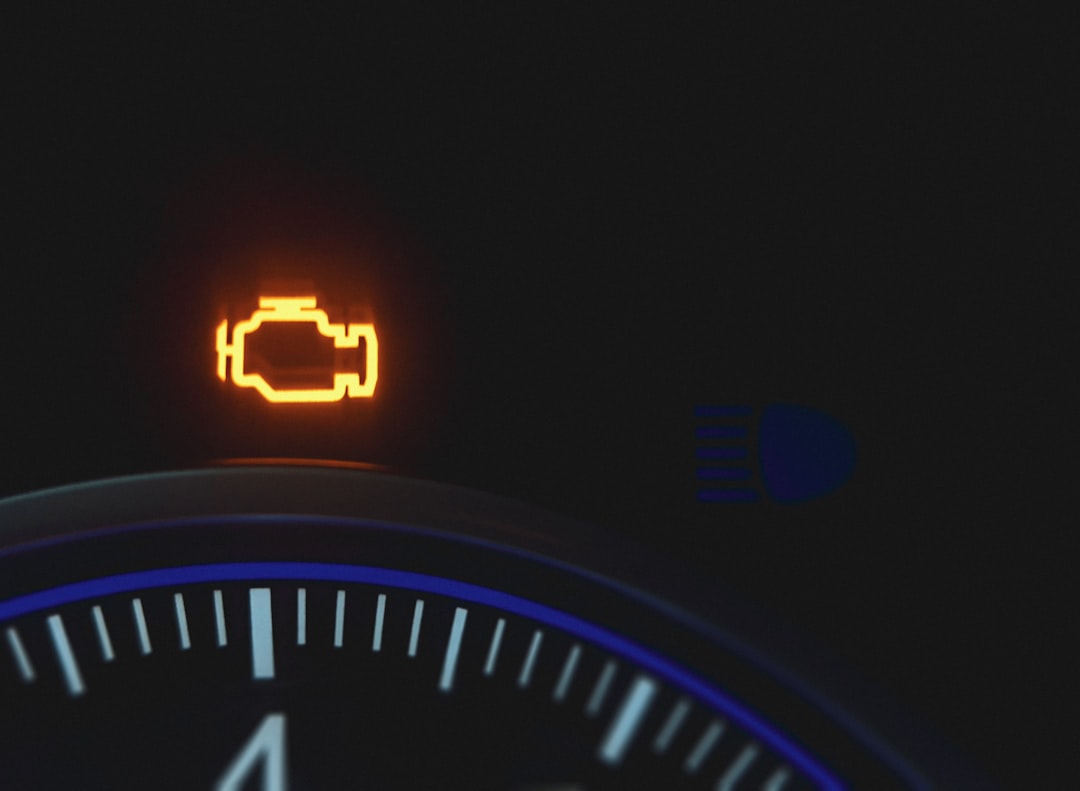
1. Software Updates as “Repairs”
Manufacturers now push over-the-air software updates. These updates are often used as repair attempts.
This raises legal questions. Does a remote update count as a repair attempt? Many courts now say yes. If the update fails to fix the problem, it strengthens your case.
2. Longer Backorder Delays
Supply chain issues still affect parts availability. Vehicles may sit at dealerships waiting for components.
If your vehicle is out of service for 30 or more cumulative days, even due to parts delay, you may qualify under lemon law.
3. Increased Arbitration Requirements
Some manufacturers require arbitration before filing a lawsuit. This step can slow things down. But in many cases, arbitration is free for consumers.
Winning at arbitration can result in:
- Vehicle buyback
- Replacement vehicle
- Reimbursement of payments
Quick Comparison: Traditional vs EV Lemon Claims
| Category | Gas Vehicles | Electric Vehicles |
|---|---|---|
| Most Common Defect | Engine or transmission failure | Battery degradation or charging failure |
| Repair Complexity | Mechanical repairs | Software and battery diagnostics |
| Parts Delay Risk | Moderate | High for battery packs |
| Claim Difficulty | Well established precedent | Rapidly evolving legal standards |
Steps to Take If You Suspect a Lemon
Stay calm. Then act smart.
- Report the issue immediately. Do not wait.
- Use authorized repair centers.
- Track every repair visit.
- Request written confirmation of failed fixes.
- Check your state’s lemon law deadlines.
Time limits matter. Some states require claims within 12 to 24 months of purchase.
How Defects Impact Compensation
The severity of the defect impacts your payout.
Minor value reduction: You may receive partial reimbursement.
Major safety defect: You are more likely to receive a full buyback.
Extensive downtime: You may recover towing, rental, and related costs.
In some successful 2026 cases, consumers even recovered attorney fees. Many lemon law attorneys work on contingency. That means you do not pay upfront.
Final Thoughts
Lemon laws are not just fine print. They are real protections. And in 2026, they are more important than ever.
Cars are smarter. More complex. More digital. That means more things can go wrong.
The most common auto defects today involve engines, transmissions, brakes, electronics, EV batteries, steering systems, and airbags. If these issues continue after multiple repair attempts, you may have a valid claim.
Keep records. Act quickly. Know your rights.
Because the only sour thing in your life should be a lemon in your water. Not your driveway.