
If you’ve ever browsed Temu’s vast array of products and wondered how a pair of earrings could cost less than a dollar—or why that phone charger is cheaper than your morning coffee—you’re not alone. Temu has rapidly become one of the most talked-about shopping platforms in the world, thanks to its rock-bottom prices and wide variety of products. But how can a platform afford to be so cheap?
TLDR: Why Is Temu So Cheap?
Temu is incredibly cheap because it uses a unique Next-Gen Manufacturing model that cuts out middlemen and directly connects consumers with factories. It’s backed by one of China’s largest e-commerce giants, PDD Holdings, which helps it leverage massive economies of scale. The platform also prioritizes ultra-low pricing over large profit margins to quickly capture market share. Additionally, most of its suppliers and operations are primarily based in China, reducing labor and overhead costs.
Understanding Temu’s Business Model
Temu operates under the umbrella of PDD Holdings, the parent company of the Chinese e-commerce giant Pinduoduo. While Pinduoduo made its name in China through social commerce and group buying, Temu adapts that low-cost DNA for global audiences. The core of Temu’s business model revolves around three key features:
- Direct-from-manufacturer sourcing
- Elimination of traditional middlemen
- Dynamic pricing and data-driven logistics
Let’s explore these cornerstones in more depth.
1. Direct Sourcing from Factories
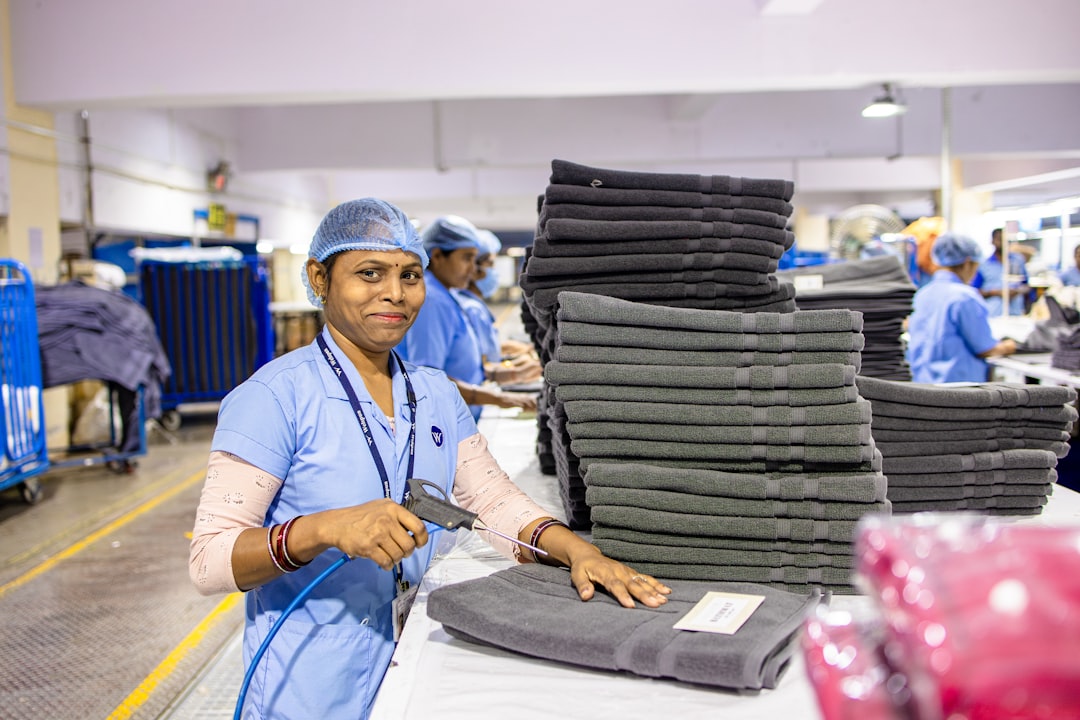
Rather than relying on distributors and retailers, Temu connects consumers directly to manufacturers—often the very same factories that produce goods for other, more established brands. This is part of a revolutionary supply-chain concept called Next-Gen Manufacturing. In this model, Temu acts as an interface between the consumer and the factory.
By doing this, Temu eliminates various intermediaries that typically add cost with each step of the supply chain. Fewer hands in the loop mean lower prices for you, the end customer.
2. Economies of Scale & Bulk Purchasing
Because Temu is backed by PDD Holdings—an enormous player in Chinese e-commerce—it can negotiate incredibly favorable terms with manufacturers. The company buys in massive volumes, which allows it to cut costs to the bone. This bulk purchasing model enables lower per-unit costs for the consumer, even when buying just one item.
Additionally, Temu shares its demand forecasts and customer analytics with its suppliers, helping them produce only the stock that’s likely to sell. This efficient production lowers inventory waste and operating costs.
3. Cutthroat Shipping Strategies
Shipping cheap goods internationally might seem like a money-losing proposition, but Temu makes it work using a combination of subsidies and bulk shipping logistics. Because most orders have long lead times (7–15 days), the company uses the cheapest international shipping rates available. Temu is also believed to benefit from ePacket shipping agreements between China and countries like the U.S., reducing postage costs even further.
This means that while you may wait a bit longer for delivery, you’re paying almost nothing—or literally nothing—for shipping.
How Temu Competes While Keeping Prices Low
Temu operates with very slim profit margins, especially when entering new markets. Its focus is customer acquisition first, profitability second. But how does it stay financially viable in the meantime?
- Hefty backing from PDD Holdings gives it a financial cushion for aggressive expansion.
- Massive marketing spend has introduced the platform to millions of new users almost overnight.
- User incentives like referral deals, discount codes, and coupon games encourage virality and retention.
Temu positions itself as a disruptor, willing to lose money in the short term to gain users and market share for the future. Once the platform achieves a dominant position, it’s likely that dynamic pricing systems will gradually adjust to improve profitability.
Why Isn’t Everyone Doing This?
While Temu’s model seems simple on the surface, few companies can pull it off at scale. It requires:
- Access to thousands of OEM and ODM factories in China
- High-level logistics infrastructure to support global shipping
- The capital to operate at a loss during expansion phases
- Advanced data analytics to predict consumer trends and optimize inventory
Temu thrives because it essentially commandeers the entire e-commerce value chain—from production to logistics to delivery—and it does so efficiently.

Quality Concerns: Do You Get What You Pay For?
Of course, low cost can raise red flags about quality. Some users report that Temu’s products can be hit or miss—items might not always meet Western consumer expectations for quality or durability. However, the company has generous refund and return policies designed to mitigate this downside.
And it’s worth remembering: a great deal of the world’s consumer products—everything from clothes to electronics—is already manufactured in the same locations Temu sources from. The difference lies in branding, marketing, and pricing, not necessarily in quality.
Still, expectations should match the price tag. If you’re buying a $3 smartwatch, you likely won’t receive Apple’s engineering finesse—but you may get something surprisingly functional.
Temu vs. Other Low-Cost Platforms: What Makes It Different?
There are other low-cost e-commerce platforms out there, like Wish, AliExpress, and Shein. So what sets Temu apart?
- More curated product experience compared to chaotic marketplaces like Wish
- Faster shipping and better tracking tools than most China-based platforms
- Robust customer service and clearer refund processes
- Heavy gamification and incentives that drive daily engagement
Temu seems to have learned from the mistakes of its predecessors. It has attempted to blend the price appeal of AliExpress with the user experience of Amazon, all while subsidizing shipping and returns.
The Future of Temu and Ultra-Low-Cost E-Commerce
Temu’s ultra-low-cost model is shaking up global e-commerce in an unprecedented way. Analysts wonder if it’s sustainable in the long-term, but for now, it’s thriving. Consumers eager for bargains in a high-inflation world are flocking to the platform.
There could also be challenges ahead:
- Regulatory scrutiny over international trade practices
- Rising geopolitical tensions between China and the West
- Increased competition and copycats entering the market
Nevertheless, Temu has done something remarkable—it’s introduced a new paradigm where the digital marketplace operates on razor-thin margins, high volume, and vertical integration.
Conclusion
Temu is outrageously cheap because it has reinvented how we think about supply chains, pricing, and consumer relationships. With PDD Holdings behind the wheel and a massive network of manufacturers ready to fulfill consumer desires at the lowest possible cost, the company is setting new benchmarks in global e-commerce.
While concerns about quality and sustainability remain, it’s hard to ignore the platform’s immediate appeal, especially in times where every dollar counts. So the next time you see a $2 hair straightener or a $0.99 bracelet, know this: you’re not necessarily getting a bad deal—you’re seeing a glimpse into the future of low-cost retailing.