
For families, coaches, and community volunteers looking into youth soccer, the abbreviation AYSO often appears early in the search. Understanding what it means is more than a matter of decoding initials; it helps explain a long-standing approach to children’s sports that emphasizes participation, fairness, development, and respect. In a youth athletics environment that can sometimes feel overly competitive, AYSO represents a structured effort to keep soccer accessible and meaningful for players of many backgrounds and skill levels.
TLDR: AYSO stands for the American Youth Soccer Organization. It is a nonprofit youth soccer organization known for its emphasis on inclusive participation, balanced teams, positive coaching, good sportsmanship, and player development. AYSO matters because it provides a community-based model where children can learn soccer while also building confidence, teamwork, discipline, and respect. Its philosophy is designed to make the game welcoming, especially for young players and families new to organized sports.
What Does AYSO Stand For?
AYSO stands for American Youth Soccer Organization. The name reflects the organization’s purpose: providing soccer programs for young people across communities in the United States. While the words themselves are straightforward, the meaning behind them is broader. AYSO is not simply a league name or a seasonal sports program; it is a youth development organization built around soccer as both a game and a teaching environment.
The organization was founded in 1964 and has grown into one of the most recognized names in American youth soccer. Over the decades, AYSO has become associated with a volunteer-driven model, local community engagement, and a philosophy that gives children an opportunity to participate regardless of prior experience. For many families, AYSO is a child’s first introduction to organized team sports.

Why the Meaning of AYSO Matters
Knowing what AYSO stands for is useful, but understanding why it matters is even more important. Youth sports shape how children learn about effort, cooperation, leadership, and competition. A program’s values influence whether young athletes feel encouraged or discouraged, included or overlooked, supported or pressured.
AYSO’s importance comes from its commitment to a model that tries to balance athletic development with personal growth. Instead of focusing only on winning records or elite competition, AYSO aims to create a setting in which children can learn the sport, enjoy participation, and develop life skills. This does not mean AYSO avoids competition; soccer is naturally competitive. Rather, it means competition is placed within a framework of respect, fairness, and learning.
The Core Philosophies of AYSO
AYSO is widely identified by several core philosophies. These principles are central to how the organization operates and are the reason many families choose it over other youth sports options. While wording may vary slightly depending on local materials, the major ideas are consistent.
- Everyone Plays: AYSO emphasizes that each child should have meaningful playing time. The goal is to avoid a situation where only the strongest players participate while others sit on the sidelines.
- Balanced Teams: Teams are typically formed with the aim of creating fair competition. Balanced teams help prevent one-sided seasons and give players a better environment for learning.
- Open Registration: AYSO is designed to welcome players regardless of skill level, experience, or athletic background, as long as space and program requirements allow.
- Positive Coaching: Coaches are expected to encourage, teach, and support players. The emphasis is on instruction and confidence-building rather than fear-based motivation.
- Good Sportsmanship: Players, coaches, referees, and spectators are expected to respect the game and one another. This includes handling wins and losses with maturity.
- Player Development: AYSO seeks to help each player improve over time, technically, physically, socially, and emotionally.
These principles help define the organization’s culture. They also give parents a practical way to evaluate whether a local program aligns with their expectations for youth sports.
AYSO as a Community Organization
One of the defining features of AYSO is its community-based structure. Many local AYSO programs rely heavily on volunteers, including coaches, referees, administrators, team parents, and field coordinators. This volunteer model can make the organization feel more personal and locally connected than some privately operated sports programs.
Because parents and community members often serve in key roles, AYSO can become more than a weekend activity. It can function as a neighborhood institution where families meet, children form friendships, and adults contribute to a shared civic project. This community aspect is one reason AYSO has remained influential for so many years.
At the same time, a volunteer-based model requires commitment. The quality of each local program can depend on training, organization, communication, and the dedication of volunteers. Strong AYSO regions typically invest in coach education, referee preparation, and clear expectations for family conduct.
How AYSO Supports New Players
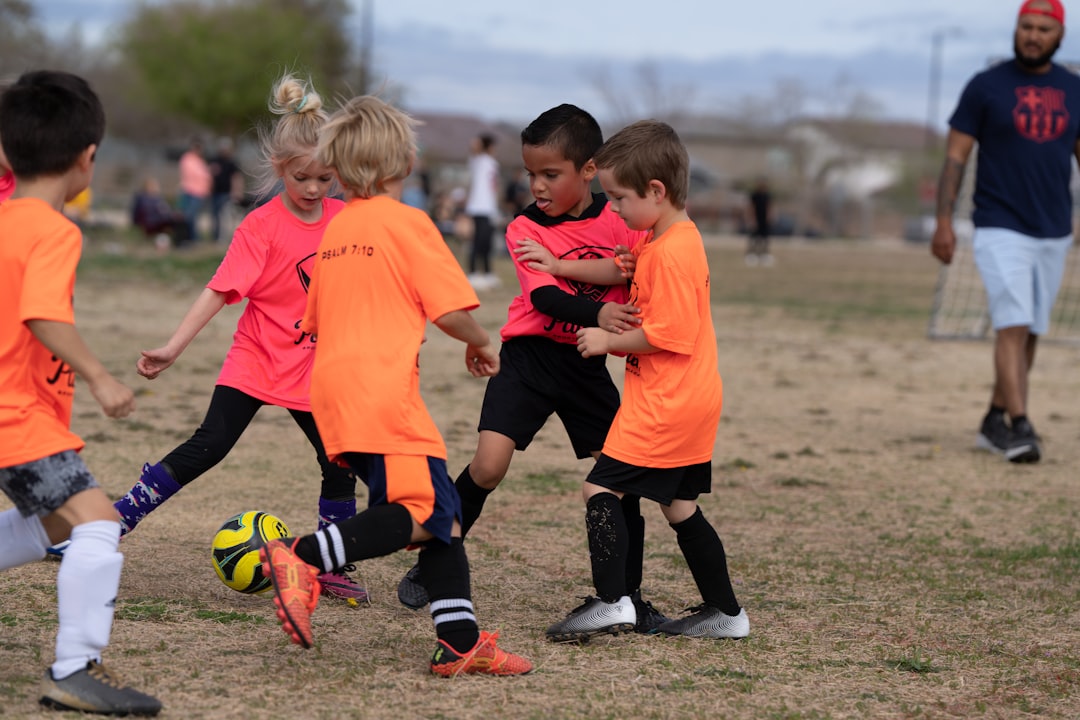
For children who have never played soccer before, joining an established team can be intimidating. AYSO’s open and inclusive philosophy helps reduce that barrier. New players are generally not expected to arrive with advanced skills. Instead, the program gives them a chance to learn gradually in a team setting.
This matters because early sports experiences can shape a child’s long-term attitude toward physical activity. A child who feels embarrassed, ignored, or overwhelmed may decide that sports are not for them. A child who feels welcomed and supported is more likely to continue playing, practicing, and improving.
AYSO’s approach is particularly valuable for younger children. At early ages, the main goals are not tactical sophistication or high-level performance. The more important outcomes include learning basic coordination, listening to instructions, sharing space with teammates, respecting rules, and developing enjoyment for movement and play.

The Role of Positive Coaching
Positive coaching is one of the most important parts of the AYSO identity. In youth sports, the tone set by adults can determine whether players thrive or withdraw. A coach who communicates calmly, teaches clearly, and respects each child can have a lasting positive impact. A coach who uses humiliation, anger, or constant criticism can do real harm.
AYSO’s coaching philosophy supports the idea that children perform better when they understand expectations and feel safe enough to make mistakes. Soccer is a fluid game, and mistakes are unavoidable. A missed pass, poor touch, or defensive error should be treated as part of learning, not as a personal failure.
Responsible coaching also includes attention to age-appropriate instruction. Younger players need basic skills, simple language, and encouragement. Older players may be ready for more detailed tactical ideas, fitness expectations, and position-specific responsibilities. In each case, the objective is development, not simply short-term scoreboard results.
Why “Everyone Plays” Is So Significant
The principle of Everyone Plays is one of AYSO’s most recognizable commitments. In many competitive youth sports environments, playing time can become a source of tension. Stronger players may receive most of the minutes, while developing players spend long periods watching from the bench. For children, especially younger ones, this can be discouraging and counterproductive.
AYSO’s playing-time philosophy is based on a simple but powerful idea: children improve by playing. Practice matters, but game experience gives players a different kind of learning. They must make decisions, respond to pressure, and understand spacing in real time. If only a few children play consistently, the rest lose valuable opportunities to develop.
This principle also sends an ethical message. It tells children that they belong on the team, not merely as substitutes or observers, but as real participants. That sense of belonging can be as important as any technical soccer skill.
AYSO and Good Sportsmanship
Good sportsmanship is not just about shaking hands after a match. It includes respect for referees, opponents, teammates, coaches, and the rules of the game. In youth soccer, adults play a major role in modeling this behavior. Children notice how parents react to calls, how coaches speak to officials, and how players treat one another after mistakes.
AYSO’s emphasis on sportsmanship is important because it protects the learning environment. When sidelines become hostile or coaches become overly aggressive, the game becomes less healthy for children. A respectful environment allows players to compete seriously without losing perspective.
Good sportsmanship also prepares children for life beyond soccer. They learn how to handle disappointment, accept authority, work with others, and show humility after success. These lessons can carry into school, work, and relationships.
Player Development Beyond the Scoreboard
AYSO’s focus on player development recognizes that progress looks different for every child. For one player, development may mean learning to dribble with confidence. For another, it may mean becoming more vocal as a teammate. For an advanced player, it may involve tactical awareness, leadership, and sharper technical execution.
A healthy development model does not evaluate children only by goals scored or games won. It considers effort, improvement, decision-making, resilience, and attitude. This broader view is especially important in youth sports because children grow physically and emotionally at different rates.
Some players who struggle early become strong athletes later. Others may never pursue soccer at a high level but still benefit greatly from the experience. AYSO’s model leaves room for both possibilities.
What Parents Should Know About AYSO
Parents considering AYSO should understand both the benefits and responsibilities. The program can provide an excellent introduction to soccer, but families often play an active role in making the experience successful. Because many local regions depend on volunteers, parents may be asked to help with coaching, refereeing, snacks, communication, field setup, or team organization.
Before registering, parents may want to ask practical questions such as:
- What age divisions are available in the local region?
- How are teams formed and balanced?
- What training is provided for volunteer coaches and referees?
- How much playing time can families expect?
- What is the schedule for practices and games?
- What standards of conduct apply to parents and spectators?
These questions help families understand how the local program operates. While AYSO has national principles, the day-to-day experience can be shaped by local leadership and volunteer quality.
AYSO Compared With Other Youth Soccer Options
Youth soccer in the United States includes many different pathways, from recreational leagues to competitive travel clubs and elite development programs. AYSO is often associated with recreational and community-oriented soccer, although some areas may offer more advanced opportunities as well.
The main distinction is philosophical. Some programs focus heavily on selection, rankings, tournament performance, and year-round competition. Those environments may be appropriate for highly committed players seeking advanced competition. AYSO, by contrast, is especially known for accessibility, balanced participation, and a family-friendly structure.
This does not make one model universally better than another. The right choice depends on the child’s age, personality, goals, skill level, and interest. However, for families seeking an inclusive and values-based introduction to soccer, AYSO remains a respected option.
Why AYSO Still Matters Today
AYSO matters because youth sports continue to face serious challenges: rising costs, early specialization, excessive pressure, parent misconduct, unequal access, and burnout. In that context, an organization built around inclusion and development remains highly relevant.
Soccer can teach discipline, courage, cooperation, and joy. But those lessons are not automatic. They depend on the environment adults create. AYSO’s meaning is therefore not limited to the words American Youth Soccer Organization. Its deeper meaning lies in the belief that sports should serve children first.
When implemented well, AYSO gives young players a place to learn the game, make friends, build confidence, and experience competition in a healthy way. It reminds families and communities that success in youth soccer should not be measured only by trophies, but also by growth, character, and continued love for the game.
In the end, the meaning of AYSO is both simple and substantial. It stands for the American Youth Soccer Organization, but it also stands for a particular vision of youth sports: inclusive, respectful, developmental, and community-centered. That is why the name continues to matter to parents, players, coaches, and volunteers across generations.