
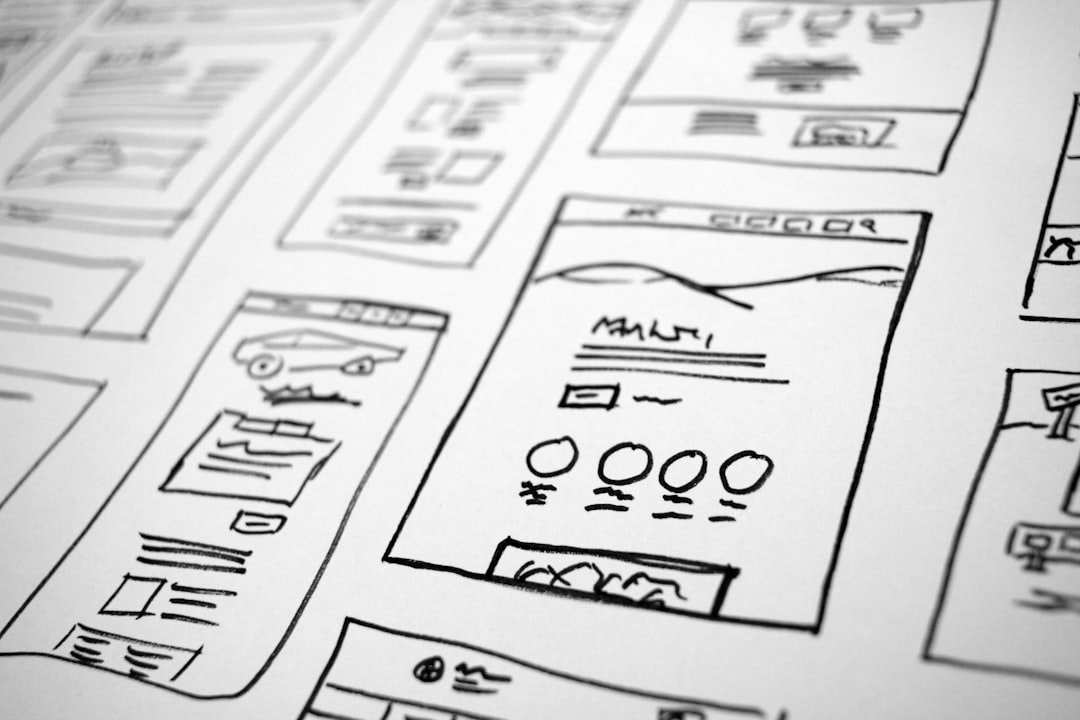
Choosing the right approach to web design is one of the most important decisions a business can make when building an online presence. The debate between custom and template-based web design affects everything from branding and functionality to budget and long-term scalability. While both approaches can produce visually appealing and functional websites, they differ significantly in flexibility, performance, cost, and maintenance requirements. Understanding these differences helps organizations align their website strategy with their goals.
TLDR: Custom web design offers complete flexibility, unique branding, and scalability but requires a larger budget and longer development time. Template-based web design is faster and more affordable, making it ideal for small businesses or quick launches, but it comes with limitations in customization and differentiation. The right choice depends on business goals, growth plans, and available resources. Companies seeking long-term uniqueness often prefer custom solutions, while those prioritizing speed and budget often choose templates.
What Is Custom Web Design?
Custom web design involves building a website from scratch, tailored specifically to a brand’s goals, audience, and functional requirements. Designers and developers collaborate to create unique layouts, user experiences, and backend systems that are not constrained by pre-made structures.
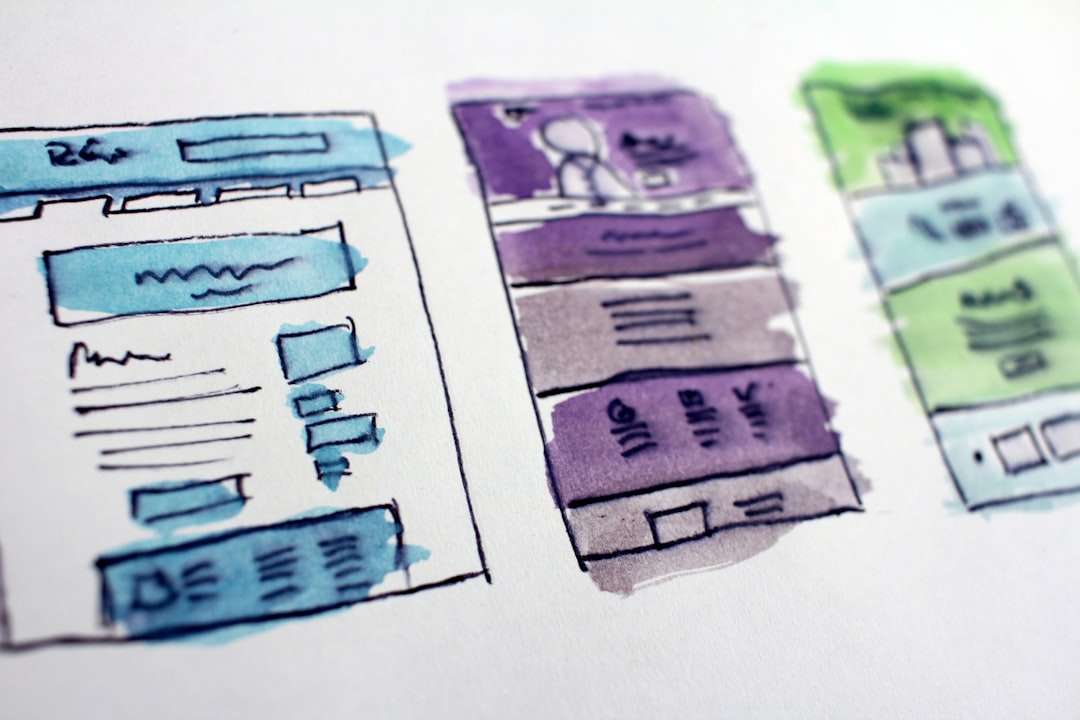
This approach typically includes:
- Unique visual identity aligned with brand guidelines
- Custom-coded features built specifically for business needs
- Optimized performance without unnecessary code
- Scalable architecture designed for future growth
Because every element is purpose-built, custom websites often provide enhanced flexibility and greater control over the user journey. However, they require more time for planning, design, development, and testing.
What Is Template-Based Web Design?
Template-based web design uses pre-designed layouts that can be customized with branding elements, text, and images. These templates are often available through website builders or content management systems.
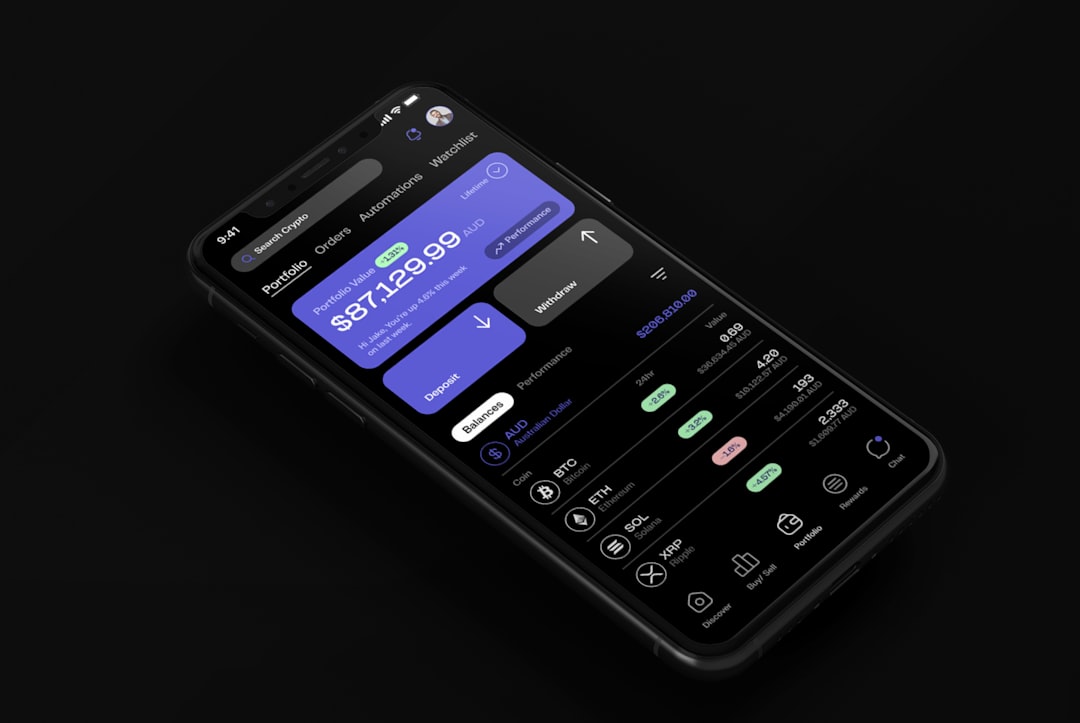
Key characteristics include:
- Pre-built layouts with fixed structural elements
- Drag-and-drop editing for ease of use
- Faster deployment compared to custom builds
- Lower upfront costs
Template-based websites are particularly attractive for startups, freelancers, and small businesses that need an efficient and affordable online presence. Although customization is possible, it is limited by the framework of the chosen template.
Design Flexibility and Branding
One of the most noticeable differences between custom and template-based web design is the level of creative freedom available.
Custom Design:
- Complete control over layout and functionality
- Unique design tailored to brand personality
- Ability to create distinctive interactive elements
Template-Based Design:
- Limited structural changes
- Shared layouts that may look similar to other websites
- Restricted creative experimentation
For brands operating in competitive markets, differentiation can be a critical success factor. Custom designs allow businesses to break away from common patterns and create memorable digital experiences. Templates, while professional, may not fully capture a brand’s unique voice.
Cost Considerations
Budget is often the deciding factor between the two approaches.
Custom web design generally involves higher upfront costs due to:
- Professional designers and developers
- Extended planning and development time
- Ongoing technical maintenance
Template-based design typically includes:
- Lower initial investment
- Subscription or licensing fees
- Reduced development hours
While templates cost less initially, businesses should consider long-term scalability. If substantial redesign or migration becomes necessary later, cumulative costs may rise. Custom sites, although more expensive at the start, often reduce the need for major restructuring as the company grows.
Development Time and Launch Speed
Speed to market can significantly influence online strategies.
Template-based websites can often be launched within days or weeks, depending on content readiness. This is ideal for time-sensitive campaigns, product launches, or small business openings.
In contrast, custom websites may require several weeks or months. The process typically includes discovery sessions, wireframing, design mockups, coding, testing, and revisions. While slower, this thorough approach ensures each feature aligns with the company’s objectives.
Performance and Optimization

Website performance affects search rankings, user experience, and conversion rates.
Custom-built websites often provide better performance optimization because developers can:
- Remove unnecessary code
- Optimize scripts and images specifically
- Tailor backend systems for efficiency
Template-based websites may include extra scripts or features designed to serve multiple users. These additional components can sometimes slow down the website, particularly if not carefully managed.
However, many modern templates are optimized for responsiveness and speed, narrowing the performance gap for businesses with simpler needs.
Scalability and Future Growth
As businesses expand, their digital requirements evolve. E-commerce capabilities, membership portals, integrations with third-party systems, and multilingual functionality may become necessary.
Custom designs are built with scalability in mind. Developers can structure the architecture to accommodate future growth without major disruptions.
Template-based designs, on the other hand, may face constraints when adding advanced features. While plugins and extensions can extend functionality, they may create compatibility challenges over time.
Companies expecting significant growth often find custom solutions more sustainable in the long run.
Maintenance and Support
Maintenance requirements differ considerably between the two approaches.
Template-based websites benefit from standardized updates provided by template creators or platform providers. Users may not need deep technical expertise to maintain functionality.
Custom websites typically require ongoing developer support for updates, security patches, and feature enhancements. However, this also means businesses have full control over how updates are implemented.
The choice depends on whether a company prefers independence and flexibility or simplicity and standardized support.
Security Considerations
Security is an increasingly critical factor in web development.
Because template-based websites often rely on common codebases, they may become targets if vulnerabilities are widely known. That said, reputable platforms respond quickly with patches and updates.
Custom websites can offer enhanced security through tailored coding and minimized reliance on third-party plugins. However, this advantage depends heavily on the expertise of the development team.
Who Should Choose Custom Web Design?
- Established businesses with defined branding
- Companies requiring complex functionality
- Organizations planning long-term digital growth
- Brands seeking complete uniqueness
For these entities, investing in a fully customized website often proves worthwhile.
Who Should Choose Template-Based Design?
- Startups with limited budgets
- Freelancers and solo entrepreneurs
- Small businesses needing quick deployment
- Short-term campaign projects
Templates provide a practical solution when speed and cost-efficiency are primary concerns.
Final Thoughts
The choice between custom and template-based web design is not about determining which option is universally superior. Rather, it is about aligning digital strategy with business objectives, resources, and growth plans. Custom web design delivers flexibility, performance, and uniqueness but demands greater investment. Template-based solutions offer affordability and speed while maintaining professional quality for simpler needs.
Ultimately, the most effective websites are those built with clarity of purpose. By evaluating brand identity, technical requirements, and long-term ambition, organizations can confidently decide which approach will best support their online success.
Frequently Asked Questions (FAQ)
1. Is custom web design better for SEO?
Custom web design can provide advantages for SEO because developers can optimize site structure, speed, and code cleanliness. However, well-built templates that follow best practices can also achieve strong search engine performance.
2. Are template websites less professional?
Not necessarily. Many template-based websites look modern and professional. The main limitation is uniqueness, as other businesses may use similar designs.
3. How much more expensive is custom web design?
Costs vary widely depending on complexity, but custom websites typically require a significantly higher upfront investment than template-based solutions due to design and development labor.
4. Can a template-based website be converted into a custom site later?
Yes, but it may require a full redesign and migration process. Businesses anticipating future growth should factor this possibility into their initial decision.
5. Which option is better for e-commerce?
Small online stores can operate effectively using high-quality templates. Larger e-commerce businesses with complex integrations and unique user experiences often benefit more from custom web design.
6. How long does a custom website typically take to build?
Depending on complexity, a custom website can take several weeks to several months, including planning, design, development, and testing phases.