

As the artificial intelligence ecosystem grows more complex, developers are no longer choosing a single “best” model for their applications. Instead, they’re orchestrating multiple models—each optimized for different strengths—into dynamic systems that can route tasks intelligently. This is where model routing tools, such as those enabled by the Vercel AI SDK and similar frameworks, become essential. These tools help developers select the right model for the right task at the right time, balancing cost, speed, and quality automatically.
TLDR: Model routing tools like the Vercel AI SDK allow developers to dynamically choose between multiple AI models based on logic such as task complexity, cost constraints, and response time requirements. Instead of relying on a single large model, applications can route requests intelligently to optimize performance and efficiency. This approach reduces costs, improves scalability, and enhances user experience. Smart routing is quickly becoming a foundational strategy for production-grade AI applications.
In the early days of generative AI integration, developers would connect to one powerful model and send all requests to it. While this worked for prototypes, it quickly proved inefficient. High-end models are expensive, smaller models may lack depth for complex reasoning, and different providers offer varying latency and pricing structures. Modern AI applications demand adaptability. That’s exactly what model routing delivers.
What Is Model Routing?
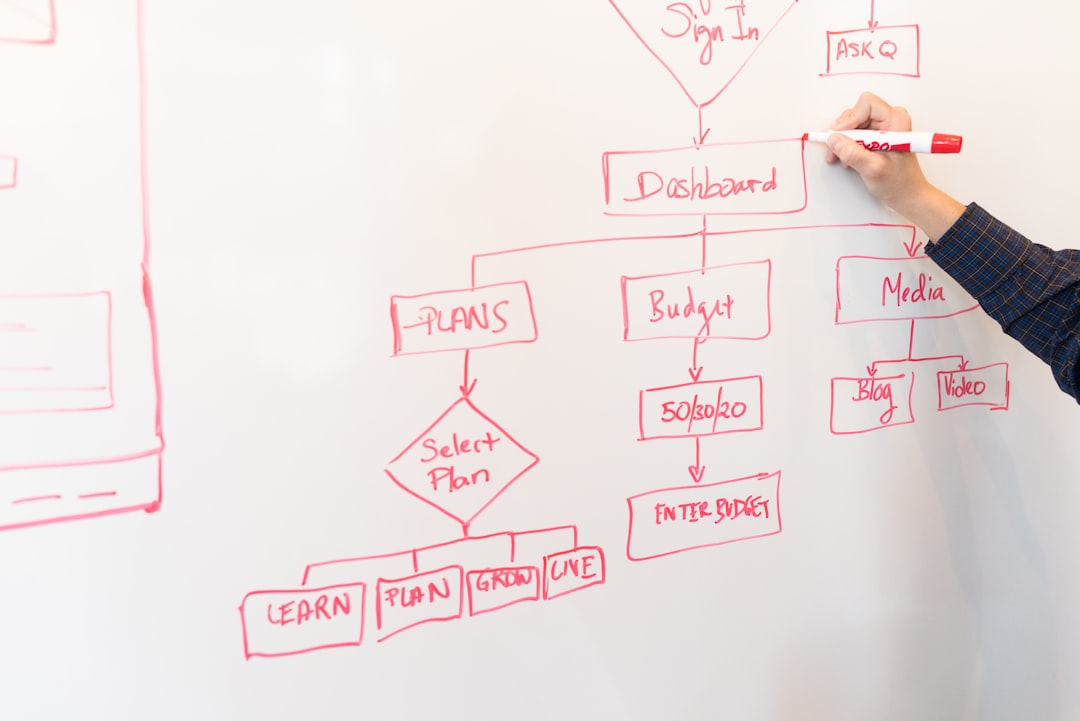
Model routing refers to the process of dynamically selecting which AI model should handle a specific request. Rather than hard-coding one provider or model size, routing logic evaluates the incoming prompt and decides which model is most suitable.
This decision can be based on:
- Task complexity (simple Q&A vs. advanced reasoning)
- Latency requirements (real-time chat vs. background processing)
- Cost constraints (budget-friendly model vs. premium model)
- Availability and failover needs
- Specialization (code generation, summarization, image generation)
For example, a lightweight model might handle straightforward customer support questions, while a larger reasoning model steps in when deeper analysis is required. This orchestration often happens invisibly to the user.
Why Smart Model Selection Matters
The difference in cost between models can be significant—sometimes orders of magnitude apart. Sending every request to a top-tier reasoning model may create unnecessary operational expenses. Meanwhile, relying only on small models can compromise accuracy and user satisfaction.
Smart model selection helps solve this challenge through:
- Cost optimization: Use premium models only when necessary.
- Performance tuning: Balance speed and response quality.
- Improved uptime: Switch providers if one experiences downtime.
- Scalable architecture: Adapt as usage grows.
In many production scenarios, 60–80% of user queries may be routine. Routing those to smaller models dramatically reduces overhead without degrading experience. The remaining complex queries can then use high-capability reasoning models selectively.
The Role of the Vercel AI SDK
The Vercel AI SDK has emerged as a powerful toolkit for integrating AI capabilities into web applications. It simplifies connections to multiple AI providers and models through unified APIs. Crucially, it enables developers to implement model routing logic in a manageable and scalable way.
Instead of writing separate integrations for each model, the SDK abstracts:
- Authentication and provider configuration
- Streaming responses
- Response handling consistency
- Error management and fallback strategies
Through middleware and conditional logic, developers can design routing strategies such as:
- If prompt length < 200 words → use lightweight model
- If task includes “analyze” or “compare” → use reasoning model
- If user is premium tier → prioritize higher-quality model
This approach keeps logic centralized and adjustable without deeply restructuring the codebase.
Common Routing Strategies
Model routing isn’t one-size-fits-all. Different applications use different techniques depending on their goals.
1. Rule-Based Routing
This is the most straightforward strategy. Developers define explicit conditions that direct requests. It’s predictable and easy to debug. For instance:
- Short queries → fast model
- Long analytical tasks → advanced model
This approach works well for structured applications with clear task categories.
2. Confidence-Based Routing
In this method, a smaller model attempts the task first. If the response lacks confidence or meets certain error thresholds, the system escalates the request to a more capable model.
This layered strategy minimizes cost while maintaining output quality.
3. Cost-Aware Dynamic Routing
Here, routing logic considers pricing in real time. During peak usage periods, the system may shift more queries to budget models. Applications with monthly cost caps particularly benefit from this model.
4. Load Balancing and Failover
Routing isn’t only about intelligence—it’s also about resilience. AI services can experience latency spikes or downtime. Smart routing monitors availability and redirects traffic automatically to alternative providers.
Real-World Use Cases
Model routing is already shaping AI-powered products across industries.
Customer Support Platforms:
Basic FAQ responses use cost-efficient models, while complex troubleshooting tickets escalate to advanced reasoning systems.
Content Creation Tools:
Headline suggestions and short summaries rely on smaller models. Long-form strategy development or SEO analysis may call specialized reasoning models.
Developer Tools:
Quick syntax completions can be handled by lightweight coding models. Architecture discussion and debugging reasoning may need more advanced ones.
Healthcare and Legal Tech:
Preliminary document scans use efficient models. Critical interpretive analysis routes to highly capable domain-tuned models.
In each scenario, routing ensures both scalability and consistency.
Implementation Considerations
While model routing delivers clear advantages, implementation requires careful planning.
Latency Tradeoffs
If routing logic itself becomes complex, it may introduce overhead. Efficient evaluation rules and caching mechanisms are key.
Monitoring and Observability
Developers should track:
- Model usage distribution
- Response latency
- Cost per request
- Error rates by provider
Good observability ensures routing logic evolves with real-world data.
Evaluation Frameworks
Businesses must test whether routing improves outcomes. A/B testing between static and dynamic model strategies can highlight improvements in cost efficiency and user satisfaction.
The Future: Autonomous Model Orchestration
Today’s routing logic is primarily rule-based or deterministic. But the next phase involves AI systems that decide which model to use autonomously. A supervising “meta-model” might analyze the request and assign it probabilistically to the most appropriate engine.
This creates intelligent AI ecosystems where models become specialized components rather than standalone solutions.
We are also seeing multi-modal scenarios, where routing selects between:
- Text-only models
- Vision-enabled models
- Audio transcription engines
- Code-specialized LLMs
In such systems, routing transforms into orchestration—managing complex pipelines rather than single responses.

Why This Matters for Developers and Businesses
For developers, smart model routing offers architectural flexibility. Instead of redesigning applications each time a stronger model is released, teams can plug new options into their routing logic.
For businesses, this means:
- Lower operating costs without sacrificing quality
- Greater resilience against provider outages
- Faster innovation cycles
- Competitive differentiation through optimized AI performance
Perhaps most importantly, routing prevents vendor lock-in. By abstracting model calls through unified SDKs and routing layers, organizations gain negotiating power and operational independence.
Conclusion
Model routing tools like the Vercel AI SDK mark a turning point in how AI systems are built and scaled. Rather than betting everything on a single model, developers now design intelligent layers that evaluate context, control costs, and deliver optimal performance dynamically.
As AI applications become more embedded in daily digital experiences, the ability to make smart, automated decisions about model usage will define the most successful platforms. Model routing isn’t just a performance enhancement—it’s a strategic necessity. The future of AI development lies not in picking the best model, but in building systems that know which model is best for each moment.