
Want a healthcare job that does not take years to start? An online CNA course may be your fast lane. CNA stands for Certified Nursing Assistant. It is a real healthcare role, and it can be a great first step into nursing, patient care, and hospitals.
TLDR: An online CNA course helps you learn the basics of patient care from home. You study skills like safety, hygiene, vital signs, and communication. Most programs also include hands-on clinical practice in person. If you want to start a healthcare career fast, becoming a CNA is a smart and simple path.
What Is a CNA?
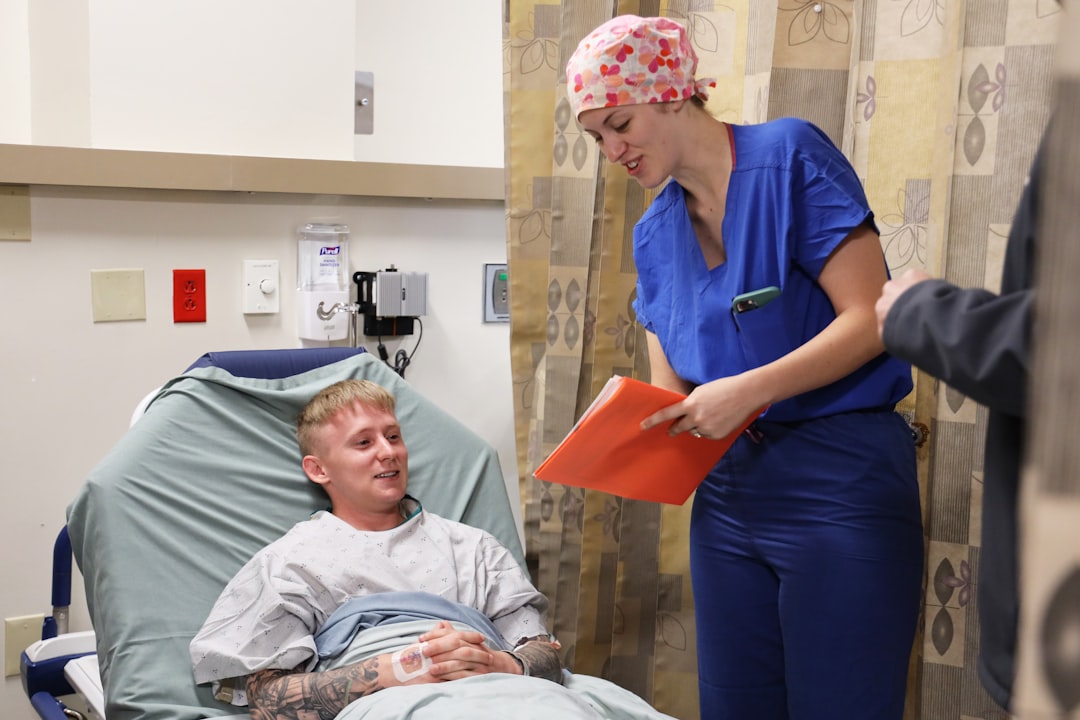
A CNA is a trained care helper. CNAs work with nurses and other medical staff. They help patients with daily needs. This can include bathing, dressing, eating, walking, and getting comfortable in bed.
CNAs also take vital signs. That means checking things like temperature, pulse, breathing, and blood pressure. These signs tell the care team how a patient is doing.
A CNA is often the person a patient sees the most. So kindness matters. A smile matters. A calm voice matters. You are not just doing tasks. You are helping people feel safe.
Think of a CNA as the friendly bridge between patients and nurses.
Why Choose an Online CNA Course?
Life is busy. You may have a job. You may have kids. You may have a dog that thinks every sock is a snack. An online CNA course gives you more freedom.
You can study at home. You can review lessons when you have time. You can pause a video. You can replay it. You can take notes in pajamas. No one will judge you.
Online learning is also great if you want to move fast. Many CNA programs are short. Some can be completed in a few weeks. Others may take a couple of months. It depends on your state and school.
But here is the key thing. CNA training is not fully online in most places. You usually need in-person clinical training. That is because you must practice real care skills with real people.
How an Online CNA Course Works
Most online CNA courses have two parts.
- Online classroom lessons: You learn the basics on your computer, tablet, or phone.
- Hands-on clinical practice: You practice skills in a lab, nursing home, hospital, or care center.
The online part covers the “why” and “how.” The clinical part helps you do the actual work. You learn how to move a patient safely. You learn how to make a bed. You learn how to help someone eat. You learn how to protect privacy.
It is a little like learning to drive. Videos and books help. But at some point, you must get behind the wheel. For CNA training, clinical practice is that “behind the wheel” moment.
What You Learn in a CNA Course
A CNA course is full of useful skills. Do not worry. You do not need to know medical stuff before you start. The course teaches you step by step.
Common topics include:
- Patient safety: How to prevent falls and injuries.
- Infection control: How to stop germs from spreading.
- Handwashing: Yes, there is a correct way. And yes, it matters a lot.
- Vital signs: How to check temperature, pulse, breathing, and blood pressure.
- Body mechanics: How to lift and move people safely.
- Personal care: How to help with bathing, grooming, dressing, and toileting.
- Nutrition: How to help patients eat and drink safely.
- Communication: How to speak with patients, families, and nurses.
- Patient rights: How to respect privacy, dignity, and choices.
- Emergency basics: How to respond when something is wrong.
These skills are simple to learn with practice. They are also powerful. Small actions can make a big difference. A clean sheet can bring comfort. A cup of water can bring relief. A kind word can brighten a hard day.
Who Is a Good Fit for CNA Training?
You do not need to be a science genius. You do not need fancy experience. You do need patience. You need a caring heart. You need to show up on time. You need to follow directions.
You may be a great fit if:
- You enjoy helping people.
- You want a job with meaning.
- You like being active at work.
- You can stay calm under pressure.
- You want to enter healthcare quickly.
- You may want to become a nurse later.
CNA work can be busy. It can be physical. It can also be very rewarding. Patients may remember your kindness for years. That is a big deal.

How Fast Can You Become a CNA?
This depends on your state and your program. Some CNA courses can be finished in 4 to 12 weeks. Some take longer. Each state has its own training hour rules.
Many states require a set number of classroom hours and clinical hours. After training, you usually take a state exam. This exam often has two parts.
- Written or knowledge test: You answer questions about CNA care.
- Skills test: You show that you can perform key care tasks.
Pass the exam, and you can be placed on your state CNA registry. Then you can apply for CNA jobs.
That is why CNA training is popular. It is one of the faster ways to start working in healthcare. You do not need a four-year degree. You do not need to wait forever. You can begin building your future now.
Where Can CNAs Work?
CNAs are needed in many places. Healthcare does not stop. People need care every day. Morning, night, weekends, holidays, and yes, even when everyone else is eating pie.
CNAs often work in:
- Nursing homes
- Assisted living centers
- Hospitals
- Home health care
- Rehabilitation centers
- Hospice care
- Adult day care centers
Each workplace feels a little different. A hospital may be fast. A nursing home may allow you to know residents well. Home care may feel more personal. You can choose the setting that fits you best.
What Is the Online Class Experience Like?
Online CNA lessons are usually simple to follow. You may watch videos. You may read short lessons. You may take quizzes. You may join live video classes. You may use digital flashcards.
Some courses have discussion boards. These let you talk with classmates. You can ask questions. You can share tips. You can say, “Is anyone else nervous about the skills test?” The answer will likely be yes.
A good online course should feel clear. It should not feel like you are lost in a maze. Look for lessons that are organized. Look for support from instructors. Look for practice tests. Look for clear clinical scheduling.
How to Pick the Right Online CNA Course
Not all courses are equal. Before you sign up, check the details. This step can save you stress later.
Ask these questions:
- Is the program approved by my state?
- Does it include clinical training?
- Where do clinical hours happen?
- How long does the course take?
- What is the total cost?
- Are books, uniforms, and exam fees included?
- Is instructor help available?
- Does the school help with test prep?
- Does the school have good reviews?
The most important question is state approval. If the course is not approved, you may not qualify for the CNA exam. That would be a very annoying surprise. Like opening a cookie tin and finding sewing supplies.
What Do You Need to Start?
Requirements can vary. But many CNA programs ask for basic items.
- A high school diploma or GED, in some programs
- A minimum age, often 16 or 18
- A background check
- Immunization records
- A TB test
- CPR certification, in some cases
- A computer or phone for online lessons
- Internet access
- Scrubs or a uniform for clinical training
Do not panic if the list looks long. The school should explain each step. Many students are brand new. Good programs know this.
Tips for Success in an Online CNA Course
Online learning is flexible. But it still takes effort. You need a plan. You need focus. You also need snacks. Snacks are not official. But they help.
Try these tips:
- Set a study time. Treat it like a job shift.
- Use a notebook. Write down key terms and steps.
- Practice skills out loud. This helps you remember.
- Watch videos more than once. Repetition works.
- Ask questions early. Do not wait until the night before a test.
- Make flashcards. They are great for vital signs and terms.
- Prepare for clinical days. Sleep well. Bring supplies. Arrive early.
- Stay positive. Everyone starts as a beginner.
One big tip is to practice communication. CNA work is about people. Say hello. Explain what you are doing. Ask for permission. Listen closely. These small habits build trust.
Is CNA a Good First Step in Healthcare?
Yes. For many people, CNA is the first rung on the healthcare ladder. It helps you learn how care works. You see nurses in action. You meet patients. You learn medical language. You gain confidence.
Some CNAs stay CNAs because they love the role. Others move on to become licensed practical nurses, registered nurses, medical assistants, or other healthcare workers.
CNA experience can also help with future school. It shows that you understand patient care. It shows that you can handle real healthcare settings. It shows that you are serious.
In short, CNA training can open doors.
What Is the Hardest Part?
The hardest part is not always the studying. It can be the emotional side. Patients may be sick, scared, or lonely. Families may be worried. Some days may feel heavy.
But you are not alone. CNAs work as part of a team. Nurses guide you. Other CNAs help you. Instructors prepare you.
The physical side can also be tough. You may stand a lot. You may walk a lot. You may help move patients. That is why body mechanics are important. They help protect your back and your energy.
Still, many CNAs say the good moments make it worth it. A patient smiles. A resident says thank you. A family feels relief. Those moments stick.
How Much Does an Online CNA Course Cost?
Costs vary a lot. Some programs may cost a few hundred dollars. Others may cost more than a thousand. The price depends on the school, location, materials, and clinical setup.
Remember to ask what is included. You may need to pay for:
- Tuition
- Textbooks
- Background check
- Uniform or scrubs
- TB test or vaccines
- CPR class
- State exam fee
Some employers may pay for training. Some nursing homes offer free or low-cost CNA classes. Some workforce programs may help too. It is worth asking. Free money is better than not-free money. Very scientific statement.
Your Fast Start Plan
If you are ready, keep it simple. Follow this plan.
- Check your state CNA requirements.
- Find approved online CNA programs.
- Compare prices, schedules, and clinical locations.
- Apply and complete any health or background steps.
- Study online lessons each week.
- Complete clinical training.
- Take your CNA exam.
- Apply for jobs and start your healthcare career.
That is it. No mystery. No magic wand. Just steps.
Final Thoughts
An online CNA course can help you start a healthcare career fast. It is flexible. It is practical. It teaches real skills that help real people.
You can learn from home. You can train in person. You can take your exam. Then you can begin working in care. It is a strong path if you want purpose, steady work, and room to grow.
Healthcare needs kind people. It needs steady hands. It needs helpers who show up. If that sounds like you, CNA training may be your next great move.
Start small. Learn the skills. Pass the test. Put on the scrubs. Your healthcare journey can begin sooner than you think.