
Modern organizations rely heavily on real-time communication to coordinate projects, manage remote teams, and build connected communities. As remote and hybrid work models continue to evolve, team chat applications like Discord have become central to fast and flexible communication. These platforms go far beyond simple messaging, offering voice channels, video meetings, integrations, and structured collaboration features that support both small teams and large enterprises.
TLDR: Team chat apps like Discord provide real-time messaging, voice channels, integrations, and flexible communication structures for remote and hybrid teams. Several strong alternatives—such as Slack, Microsoft Teams, Mattermost, Rocket.Chat, and Guilded—offer comparable or specialized features. The right solution depends on your team size, security needs, integration requirements, and budget. Choosing strategically can significantly improve productivity, transparency, and collaboration.
Organizations now expect communication tools to be fast, scalable, secure, and intuitive. While Discord originally gained popularity in gaming communities, its structured channels and voice-first approach influenced many modern collaboration platforms. Today, businesses seek tools that combine real-time chat, file sharing, video conferencing, and third-party integrations into a single ecosystem.
Why Fast and Flexible Communication Matters
Efficient communication directly impacts productivity, decision-making speed, and team cohesion. In distributed environments, the lack of hallway conversations or in-person touchpoints makes digital communication platforms essential.
High-performing chat applications provide:
- Organized channels: Topic-based or project-based discussions to reduce noise.
- Instant voice and video options: Seamless transition from text to live conversations.
- Searchable history: Quick retrieval of important information.
- Integrations: Connectivity with project management, CRM, and development tools.
- Mobile and desktop synchronization: Communication without disruption.
Platforms modeled after Discord emphasize structured servers and multi-channel setups, which create clarity in ongoing projects while preserving flexibility for spontaneous discussions.
Image not found in postmeta
Key Features to Look for in Team Chat Apps
Before comparing platforms, it is essential to evaluate the core features that define effective communication tools.
1. Channel-Based Organization
Channel-based systems allow teams to separate discussions by department, project, or priority. This prevents information overload and keeps conversations focused.
2. Integrated Voice and Video Communication
Unlike traditional messaging platforms, Discord-style tools enable always-on voice rooms or instant meeting launches without complex setup procedures.
3. Customization and Permissions
Granular control over roles and access is particularly valuable for larger teams. It ensures data security while maintaining open collaboration where appropriate.
4. Strong Security Protocols
Encryption, compliance certifications, single sign-on (SSO), and audit logs are increasingly critical for organizations handling sensitive data.
5. Integrations and Automation
Seamless integration with task managers, repositories, and workflow automation platforms enhances operational efficiency.
Top Team Chat Apps Like Discord
Several platforms offer similar flexibility to Discord but with business-oriented features. Below are some of the most reliable options.
1. Slack
Slack is widely recognized for its user-friendly interface and extensive integration library. It supports structured channels, private groups, and direct messaging.
- Real-time messaging and file sharing
- Thousands of app integrations
- Strong enterprise compliance features
- Huddles for lightweight voice conversations
Best suited for: Teams prioritizing integrations and structured workflows.
2. Microsoft Teams
Microsoft Teams combines chat, video conferencing, and document collaboration in one ecosystem. Deep integration with Microsoft 365 makes it especially effective for enterprises already using Microsoft products.
- Robust video conferencing capabilities
- Integrated document editing
- Enterprise-grade security and compliance
- Channel-based communication similar to Discord
Best suited for: Large enterprises and organizations in the Microsoft ecosystem.
3. Mattermost
Mattermost is an open-source messaging platform designed for technical teams. It supports self-hosting, giving organizations extensive control over data.
- On-premises deployment options
- Advanced security features
- Developer-friendly integrations
- High customization capabilities
Best suited for: Security-conscious teams and technical organizations.
4. Rocket.Chat
Rocket.Chat offers flexibility similar to Discord, with open-source availability and strong omnichannel messaging features.
- Self-hosted or cloud deployment
- Omnichannel communication options
- Customizable user roles
- Advanced security controls
Best suited for: Organizations seeking full infrastructure control.
5. Guilded
Guilded initially targeted gaming communities but provides structured channels, voice rooms, and integrated scheduling tools, making it comparable to Discord in layout and experience.
- Persistent voice rooms
- Integrated event scheduling
- Threaded conversations
- Free feature-rich plans
Best suited for: Communities and smaller teams needing advanced features at low cost.
Image not found in postmeta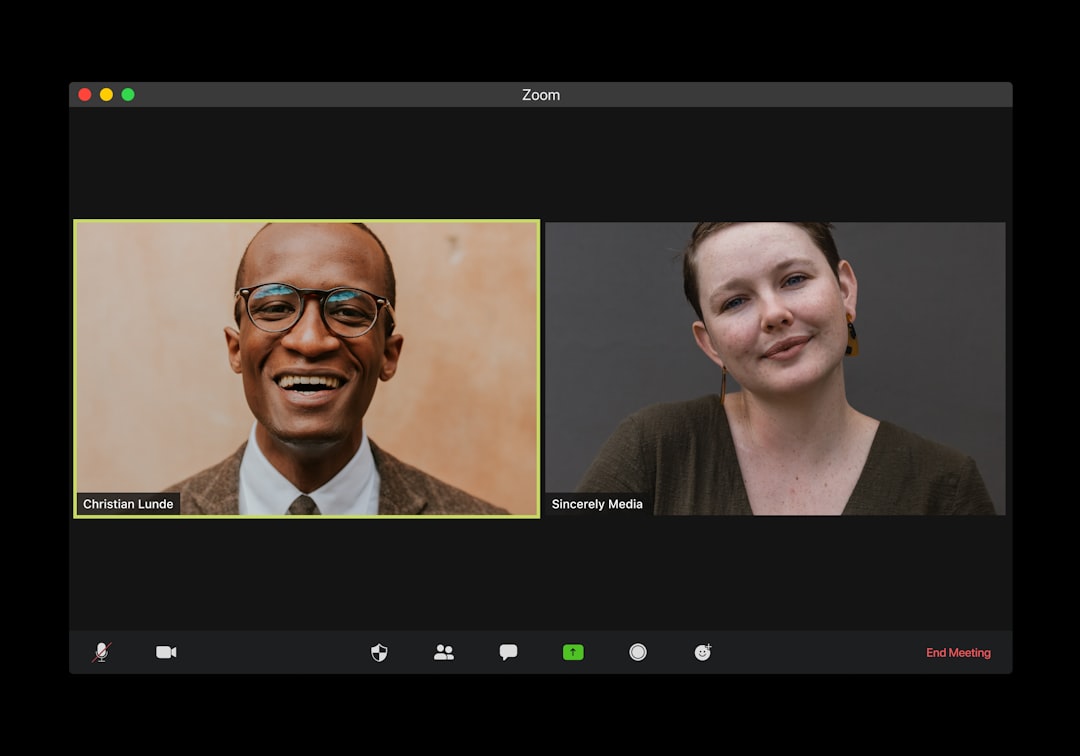
Comparison Chart
| Platform | Voice Channels | Self Hosting | Enterprise Security | Best For |
|---|---|---|---|---|
| Slack | Limited Live Audio | No | Strong | Integration-driven teams |
| Microsoft Teams | Yes | No | Very Strong | Enterprise environments |
| Mattermost | Yes | Yes | Very Strong | Technical and secure teams |
| Rocket.Chat | Yes | Yes | Strong | Custom infrastructure needs |
| Guilded | Yes | No | Moderate | Communities and small teams |
Security and Compliance Considerations
Fast communication must not compromise data protection. Organizations handling confidential information should evaluate:
- End-to-end encryption availability
- Data residency options
- Compliance certifications such as SOC 2 or ISO standards
- Granular access controls and logging mechanisms
Self-hosted solutions like Mattermost or Rocket.Chat provide maximum data ownership but require internal infrastructure management. Cloud-hosted enterprise solutions such as Microsoft Teams offer compliance readiness with less technical overhead.
Flexibility in Hybrid and Remote Environments
In hybrid work settings, the line between synchronous and asynchronous communication must remain fluid. Team chat apps enable:
- Quick text clarifications without lengthy meetings
- Drop-in voice conversations for instant collaboration
- Recorded video sessions for asynchronous review
- Threaded conversations that preserve clarity
The ability to create temporary channels also supports agile teams working on short-term initiatives. Once projects conclude, channels can be archived while preserving searchable history.
Image not found in postmeta
Scalability for Growing Organizations
Startups and enterprises alike must consider future growth. A communication platform should scale in terms of users, integrations, storage, and governance structures. Features supporting scalability include:
- Role hierarchies for structured permissions
- Automated onboarding workflows
- Bot integrations for task reminders and updates
- API access for custom development
Discord-style hierarchies demonstrate that structured yet lightweight organization can handle thousands of members effectively. Business platforms have adapted this logic with enterprise-grade controls.
Making the Right Choice
Selecting the appropriate team chat solution requires a strategic assessment of operational needs. Decision-makers should evaluate:
- Team size and expected growth
- Budget limitations
- Required integrations
- Security and compliance obligations
- User experience and learning curve
Piloting a platform before company-wide rollout can reveal usability challenges and technical constraints. Employee adoption is as crucial as feature availability.
Conclusion
Team chat apps like Discord have reshaped how organizations communicate, introducing structured channels, instant voice access, and community-style collaboration. Today’s leading alternatives—Slack, Microsoft Teams, Mattermost, Rocket.Chat, and Guilded—offer varying balances of flexibility, security, and scalability. The optimal solution depends on your organization’s size, regulatory requirements, integration ecosystem, and collaboration culture.
Fast and flexible communication is no longer optional—it is fundamental to operational resilience and sustained productivity. By carefully assessing features and long-term needs, organizations can implement a communication platform that enhances clarity, accelerates decision-making, and supports dynamic teamwork in an increasingly digital world.