
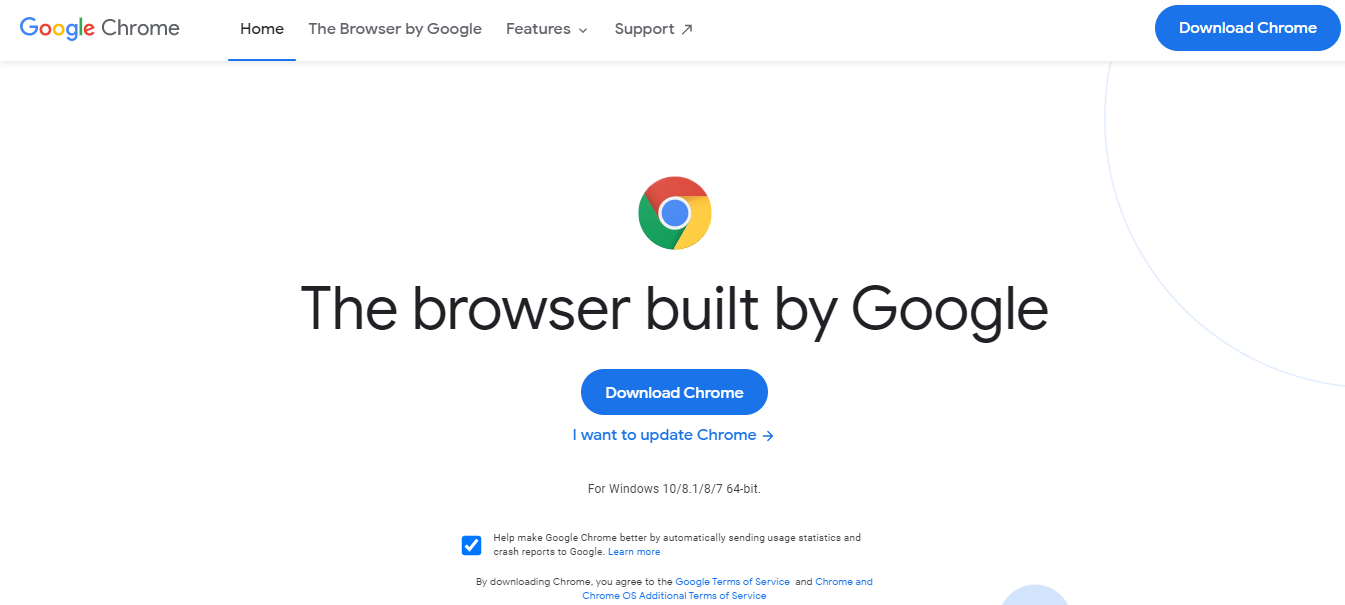
Installing Google Chrome on Windows can be done in several ways, but one of the fastest and cleanest methods is through Winget, Microsoft’s command-line package manager. With a single command, a Windows user can search for Chrome, install it, update it later, and even automate deployment across multiple devices. This approach is especially useful for IT administrators, power users, developers, and anyone who prefers a reliable installation process without manually downloading an installer from a browser.
TLDR: Winget allows a Windows user to install Google Chrome from the command line using the command winget install Google.Chrome. It is built into modern versions of Windows 10 and Windows 11 through the App Installer package. Before installing Chrome, the user should confirm that Winget is available by running winget --version. After installation, Chrome can also be updated later with winget upgrade Google.Chrome.
What Is Winget?
Winget, also known as the Windows Package Manager, is a command-line tool created by Microsoft to simplify software installation and management on Windows. Instead of visiting websites, downloading setup files, clicking through installers, and manually checking for updates, a user can run commands in Windows Terminal, Command Prompt, or PowerShell.
Winget works by pulling package information from trusted repositories. When a user requests an application, Winget locates the correct package, downloads the installer, verifies the source, and runs the installation process. This makes it convenient for installing common applications such as Google Chrome, Mozilla Firefox, Visual Studio Code, 7-Zip, Git, Zoom, VLC, and many others.
For Google Chrome, Winget can identify the official package using the package ID Google.Chrome. This package points to the stable version of Chrome intended for regular users.
Why Install Google Chrome Using Winget?
Installing Chrome through Winget has several practical advantages. While the traditional browser download method still works, Winget offers more consistency and control, especially when the same process must be repeated across many Windows computers.
- Speed: Chrome can be installed with one short command.
- Consistency: The same command can be used on multiple devices.
- Automation: IT teams can include Winget commands in scripts and setup routines.
- Less manual interaction: There is no need to search for the installer online.
- Easy updates: Chrome can be upgraded later using Winget.
- Cleaner setup: The installation uses a recognized package ID from the Windows Package Manager repository.
For a single home computer, Winget saves a few minutes. For an organization managing dozens or hundreds of machines, it can save a significant amount of setup time.
Requirements Before Installing Chrome with Winget
Before a user installs Google Chrome using Winget, the Windows system should meet a few basic requirements. Winget is available on Windows 10 version 1809 or later and Windows 11. On many modern systems, it is already installed as part of the App Installer package from Microsoft.
To check if Winget is installed, the user can open Windows Terminal, Command Prompt, or PowerShell, then run:
winget --versionIf Winget is installed, the terminal will display a version number. If the command is not recognized, the App Installer package may be missing or outdated. In that case, the user can update App Installer from the Microsoft Store or install the latest version from Microsoft’s official sources.
Administrator rights may also be required depending on the system configuration and installation scope. On most personal computers, running the command from a normal terminal may work, but business-managed computers may require an elevated terminal.
How to Search for Google Chrome in Winget
Although Chrome can be installed directly with its package ID, it is often useful to search first. Searching confirms the correct package name and helps avoid installing the wrong application.
The search command is:
winget search chromeWinget will return a list of packages related to Chrome. The expected result for the stable version of Google Chrome usually appears as:
Name           Id             Version
Google Chrome  Google.Chrome  Latest
The most important value is the Id. In this case, the correct package ID is:
Google.ChromeUsing the package ID is more precise than using only the application name. If several packages have similar names, the ID helps Winget select the correct one.
How to Install Google Chrome Using Winget
To install Google Chrome with Winget, the user should open a terminal application. Windows Terminal is recommended, but PowerShell or Command Prompt will also work.
The basic installation command is:
winget install Google.ChromeWinget will then locate the package, display package details, download the Chrome installer, and begin installation. Depending on the system, Windows may show a security prompt or User Account Control confirmation. Once approved, the installation will continue.
For a more precise command, the user can specify the exact package ID with the --id option:
winget install --id Google.ChromeMany users prefer this format because it clearly tells Winget to install the package by ID rather than by name. To further avoid ambiguity, the --exact option can be added:
winget install --id Google.Chrome --exactThis command is one of the best choices for scripts and repeatable installations because it reduces the chance of matching an unintended package.
Installing Chrome Silently with Winget
In many cases, Winget installations already require little user interaction. However, administrators and advanced users may want an even quieter installation experience. Silent installation is especially useful when setting up a new computer or deploying software in a managed environment.
A commonly used command is:
winget install --id Google.Chrome --exact --silentThe --silent option asks Winget to run the installer without showing the standard installation interface, if the package supports silent installation. This does not always eliminate every possible prompt, because Windows permissions and security settings can still apply. However, it usually makes the process smoother.
For scripted environments, the command may be included in a PowerShell script along with other software installations. For example, a setup script might install Chrome, 7-Zip, Visual Studio Code, and other standard applications in sequence.
Accepting Agreements During Installation
Sometimes Winget may ask the user to accept source agreements or package agreements, especially on a fresh Winget setup. To make the command more automation-friendly, agreement flags can be included:
winget install --id Google.Chrome --exact --accept-package-agreements --accept-source-agreementsFor a silent installation that also accepts agreements, the command can be written as:
winget install --id Google.Chrome --exact --silent --accept-package-agreements --accept-source-agreementsThis command is particularly helpful for administrators who need predictable behavior when setting up Windows devices.
How to Verify That Chrome Was Installed
After the Winget installation finishes, the user can verify the result in several ways. The simplest method is to open the Start menu and search for Google Chrome. If Chrome appears, it can be launched normally.
Winget can also be used to check whether the application is installed:
winget list Google.ChromeIf Chrome is installed, Winget should display an entry showing the application name, package ID, and installed version. This is useful when checking installations remotely or inside a script.
Another option is to run:
winget list chromeThis may show Google Chrome and any other installed packages with similar names.
How to Update Google Chrome Using Winget
Google Chrome includes its own automatic update mechanism, so it normally keeps itself current in the background. However, Winget can also check for and apply updates. This is helpful when a user wants to manage software updates from one central command-line tool.
To check whether Chrome has an available update, the user can run:
winget upgrade Google.ChromeTo upgrade Chrome, the command is:
winget upgrade --id Google.Chrome --exactTo upgrade all supported applications on the system, including Chrome if an update is available, the user can run:
winget upgrade --allIn managed environments, this command should be used carefully, because upgrading all applications at once may affect compatibility, workflows, or user training requirements.
How to Uninstall Chrome Using Winget
If Google Chrome needs to be removed from a Windows computer, Winget can uninstall it as well. The basic uninstall command is:
winget uninstall Google.ChromeFor a more exact command, the user can run:
winget uninstall --id Google.Chrome --exactDepending on the system and how Chrome was installed, the uninstallation may require administrator approval. User profile data, bookmarks, browser history, and settings may not always be removed automatically. If a complete cleanup is required, the user or administrator should review Chrome profile folders and organizational policies before deleting data.
Common Winget Chrome Installation Problems
Although installing Chrome with Winget is usually straightforward, some problems can occur. The most common issue is that the terminal does not recognize the winget command. This usually means the App Installer package is missing, disabled, or outdated.
Another possible issue is a package source problem. Winget relies on configured sources, and if the source is unavailable or corrupted, search and install commands may fail. A user can try updating sources with:
winget source updateIf the installation fails because of permissions, running the terminal as an administrator may solve the problem. To do this, the user can right-click Windows Terminal or PowerShell and select Run as administrator.
Network restrictions can also block the download. On corporate networks, proxies, firewalls, or endpoint protection tools may prevent Winget from reaching the required installer location. In that situation, an administrator may need to allow the necessary Microsoft and Google download endpoints.
Best Practices for Using Winget to Install Chrome
For the most reliable results, users and administrators should use the package ID rather than relying only on the application name. The command winget install --id Google.Chrome --exact is clear, repeatable, and suitable for documentation.
It is also wise to keep Winget updated. Since Winget is distributed through App Installer, updating Microsoft Store apps can help ensure the package manager works correctly. In business environments, administrators should test Winget installation commands before rolling them out widely.
When scripts are used, agreement flags and silent options can make deployments smoother. A practical installation command for automation is:
winget install --id Google.Chrome --exact --silent --accept-package-agreements --accept-source-agreementsThis command installs the stable version of Google Chrome, uses the exact package ID, reduces prompts, and accepts required agreements. It is often the most convenient form for repeatable Windows setup tasks.
Conclusion
Winget provides a fast, reliable, and modern way to install Google Chrome on Windows. Instead of downloading an installer manually, a user can open a terminal and run a single command such as winget install --id Google.Chrome --exact. The same tool can also update, list, and uninstall Chrome, making it useful for both personal computers and professional deployments.
For anyone who regularly sets up Windows devices, Winget can become an essential part of the workflow. It reduces manual steps, improves consistency, and makes Chrome installation easy to repeat whenever needed.
FAQ
What is the Winget command to install Google Chrome?
The recommended command is:
winget install --id Google.Chrome --exactDoes Winget install the official version of Google Chrome?
Yes, the Google.Chrome package ID refers to the stable Google Chrome package in the Windows Package Manager repository. Users should always verify the package ID before installing.
Can Chrome be installed silently with Winget?
Yes. The user can run:
winget install --id Google.Chrome --exact --silentHow can a user check if Winget is installed?
The user can open a terminal and run:
winget --versionIf a version number appears, Winget is installed.
How does a user update Chrome with Winget?
Chrome can be updated with:
winget upgrade --id Google.Chrome --exactDoes Google Chrome still update itself after being installed with Winget?
Yes. Chrome normally continues to use its built-in automatic update system, even if it was originally installed through Winget.
Can Winget uninstall Google Chrome?
Yes. The uninstall command is:
winget uninstall --id Google.Chrome --exactWhy is the Winget command not recognized?
If Windows does not recognize winget, the App Installer package may be missing or outdated. Updating App Installer from the Microsoft Store usually resolves the issue.